
Connect With A Cardiologist
Request an appointment with a Franciscan Health cardiologist near you and stay on top of your heart health.
Search the site for providers, locations, and content.
Most people worry about heart attacks, stroke or cancer when thinking about serious health problems. But abdominal aortic aneurysms (AAA) can be just as dangerous — especially if not found early.
What is an abdominal aortic aneurysm? It happens when the body’s largest artery starts to bulge or swell.
“An abdominal aortic aneurysm is an enlargement or swelling of the aorta,” explained Adam Hicks, MD, board-certified vascular surgeon with Franciscan Physician Network Vascular Surgeons in Indianapolis. “The aorta is the body’s largest artery. When it gets too big, it can become dangerous.”
“It’s like putting a pin in a balloon,” added J. Michael Tuchek, DO, a cardiac and vascular surgeon with Franciscan Health in northwest Indiana. “It pops, and you die about 80 to 90 percent of the time.” This is why awareness, early detection and treatment are critical.
The aorta is the main blood vessel in the body. It carries blood from your heart down through your chest and belly. Aneurysms can happen anywhere, but the belly area is the most common.
“Any aneurysm is just an enlarged artery,” said Dr. Hicks. “With AAA, we’re talking specifically about the part of the aorta that runs through the belly.”
“As that aneurysm gets bigger, the walls get thinner,” Dr. Tuchek explained. “It’s like when you blow up a balloon. The more air, the thinner the walls and the higher the chance it will burst.”
There are many abdominal aortic aneurysm causes, including:
Over time, these risks weaken the artery wall and cause it to enlarge.
“Smoking and high blood pressure both put extra stress on artery walls,” Dr. Hicks said. “If you can quit smoking and keep your blood pressure and cholesterol under control, you’re doing your part to lower your risk.”
The abdominal aortic aneurysm rupture risk increases as the aneurysm grows. That’s why abdominal aortic aneurysm size measurement is important. Knowing the size determines your treatment plan.
“Most AAAs we find are small,” Dr. Hicks said. “If the size is under five and a half centimeters in men — or five centimeters in women — we don’t jump to surgery. We usually monitor it with repeat imaging once a year.”
Most people with AAA won’t feel anything — until it ruptures.
“A small number of people may feel belly or lower back pain,” said Dr. Hicks. “But usually, we only find it during a scan for something else — like a kidney stone or gallbladder issue.”
Preventive screenings can also catch AAA, especially in people at higher risk.
”Medicare recommends and covers screening ultrasounds for patients over 65 who have smoked over five packs of cigarettes in their life,” said Michael Ingram, MD, an Indianapolis vascular surgeon with Franciscan Physician Network.
That’s what makes AAA screening so important. Abdominal ultrasound is an easy, non-invasive way to detect an aneurysm.
“It’s simple, painless and it could save your life,” Dr. Hicks said.
If a scan shows you have an abdominal aortic aneurysm, your next step is to meet with a vascular surgeon to talk through your options.
Dr. Tuchek said that abdominal aortic aneurysm surgery isn’t always necessary right away.
“Someone who’s elderly or frail may choose not to have surgery,” he said. “You can live with a small aneurysm rupture-free if you watch it carefully.”
If the aneurysm is large or growing fast, you may need surgery. There are two main types:
You can’t change your age or family history, but there’s still a lot you can do to lower your risk for AAA:
“If you have a family history, that’s even more reason to get screened,” said Dr. Hicks.
If you’re 65 or older — or have risk factors like smoking or a family history — talk to your doctor about AAA screening. It’s simple and safe and could save your life.
Find a screening location near you or request an appointment.
“When an AAA ruptures, you’ll feel sudden and severe pain in your stomach, back or side. You might also feel nauseous or faint,” Dr. Tuchek said.
“I would always start with lifestyle modifications," Dr. Ingrahm said. “So making sure you're getting enough exercise, trying to stay physically fit, and then watching what you're eating. So if you do already have high blood pressure, trying to maintain a lower-salt diet as well as a lower-fat diet would help lower the blood pressure.”
"Generally if you're over 60, and certainly if you've smoked in your lifetime, that's reasonable to get a one-time check to see if you have an aneurysm,” Dr. Ingrahm said. " If you don't, you can rest pretty easy and if you do, then we'll help take care of you.”

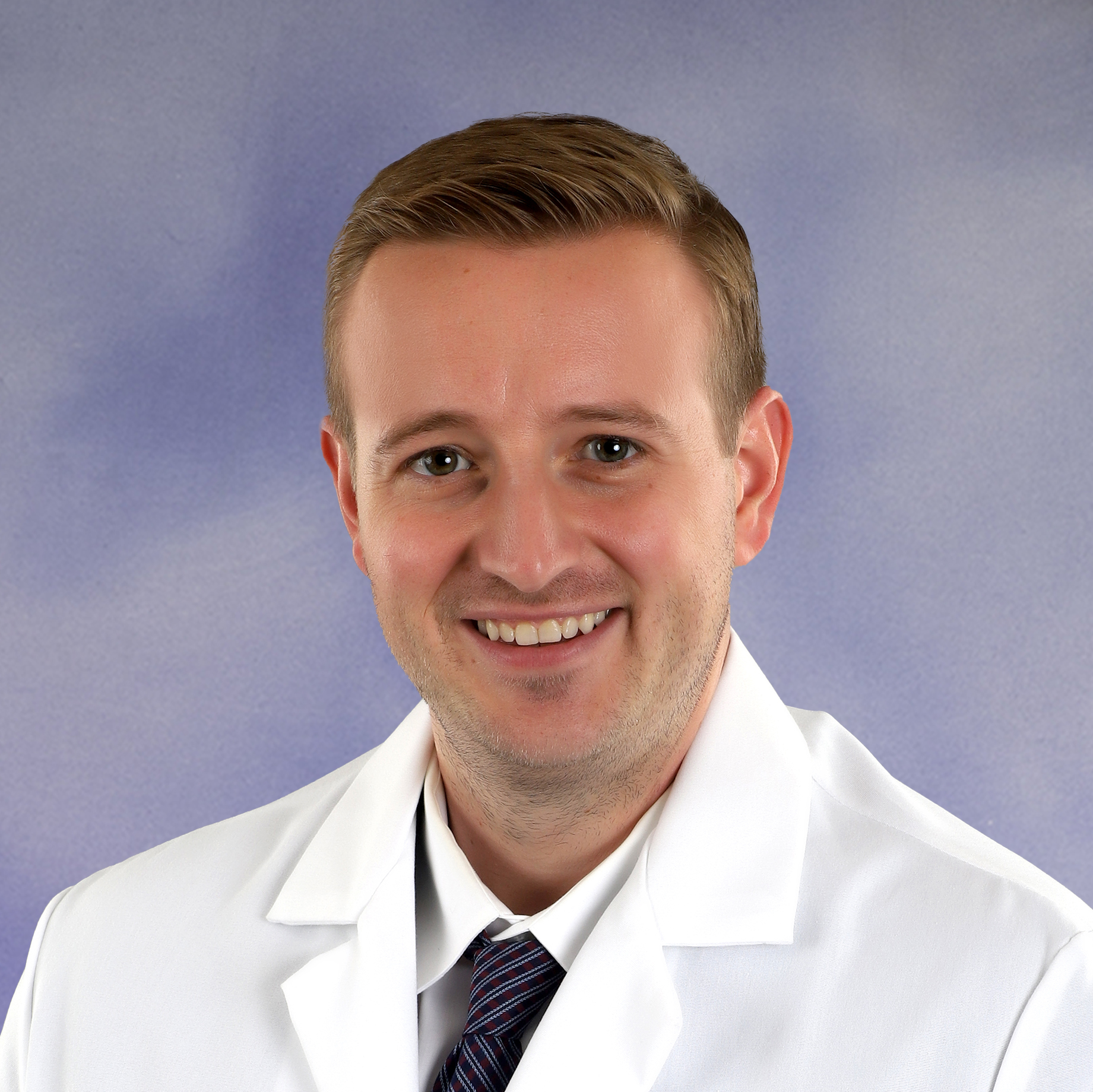
Vascular Surgery +1 more
Accepting new patients
Franciscan Physician Network

Vascular Surgery
Accepting new patients
Offers virtual visits
Franciscan Physician Network

Thoracic Surgery (Cardiothoracic Vascular Surgery)
Accepting new patients
Affiliated Exclusively