
Request An Appointment
Don't wait, prioritize your health. Find the right Franciscan Health doctor for your needs, and request an appointment today.
Search the site for providers, locations, and content.
Whoever said that bariatric surgery is the “easy way out” never had weight loss surgery. Like any other weight loss method, this type of surgery presents its own challenges. It also offers many benefits beyond weight loss that other methods don’t.
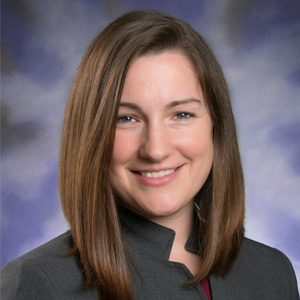
Sandra Wischmeyer, DO, a bariatric surgeon, shares truth behind common bariatric surgery myths and misconceptions — and what it really takes to succeed. Dr. Wischmeyer is an independent physician who chooses to practice at Franciscan Health Bariatric Services in Michigan City, Ind.
Bariatric surgery changes your digestive system to help you lose weight. Some surgeries limit how much you can eat, and others reduce your body’s ability to absorb fat and calories. Some do both.
Bariatric surgery takes only a few hours. But success requires a lifetime commitment, Dr. Wischmeyer said.
“People have to commit to long-term changes,” she explained. “Our bariatric team doesn’t perform weight loss surgery until a person is mentally and physically ready to commit to the process and make the required changes for life.”
These changes can include:
Many patients also benefit from ongoing support, such as counseling or support groups, to help maintain healthy habits and their emotional well-being.
Weight loss surgery is a tool, not a free pass to eat without limits. Your care team will work with you to understand dietary guidelines to help you meet your weight loss goals and keep the weight off.
For the first few months after surgery, you’ll follow a specific diet plan as your body adjusts to its “new” digestive system. You may begin with a liquid diet, then soft foods, and, finally, progress to solid foods. It is important to stay hydrated and eat plenty of protein in these first weeks after surgery.
Longer-term, your provider may recommend that you:
A dietitian can work closely with you to guide these changes and help you build sustainable habits.
As a surgeon, Dr. Wischmeyer talks to patients about safety concerns related to weight loss surgery. The fact is, all surgeries carry some risk, and bariatric surgery is no different.
Before surgery, patients undergo a thorough preparation process. This includes meeting with a:
Patients also complete lab tests to check for conditions like uncontrolled diabetes or vitamin deficiencies. If anything needs attention, the care team works with you to address it before you move forward.
“For many people, the risks of untreated obesity — such as diabetes, heart disease and high blood pressure — are greater than the risks of surgery,” Dr. Wischmeyer explained. “Weight loss surgery not only offers significant long-term weight loss, but it also can resolve many of these related medical conditions.”
Bariatric surgery is the most long-lasting, effective obesity treatment available, Dr. Wischmeyer said. According to the American Society for Metabolic and Bariatric Surgery, studies find that more than 90 percent of bariatric patients are able to maintain a long-term weight loss of 50 percent or more of their excess body weight.
“Long-term success depends on the habits you build after surgery,” she explained. “Patients who follow their care plan — including diet, exercise and follow-up visits — are more likely to maintain their weight loss.”
Ongoing support from your care team can help you stay on track and adjust as your needs change.
Bariatric surgery changes your digestion and limits the nutrients your body can absorb. You may need to take a multivitamin, along with other supplements your care team recommends, such as vitamin B12, vitamin D and calcium.
You will need to take vitamin and mineral supplements for the rest of your life after bariatric surgery, but deficiencies aren’t inevitable. Regular lab work helps monitor levels and prevent problems.
Many insurance plans cover bariatric surgery. Insurance requirements vary. Some plans may require:
Most plans will only approve surgery for people who are approximately 80-100 pounds overweight, who may suffer from obesity-related conditions such as type 2 diabetes. Learn more about medical criteria for bariatric surgery.
Be sure to contact your insurance provider to understand your specific coverage.
If you want to learn more or schedule an evaluation, you may not need a referral. In many cases, you can contact a bariatric surgery program directly to get started.
“Most of my new patients see me because a friend or family member had a positive bariatric surgery experience,” Dr. Wischmeyer said. “Less than one percent of people who qualify for bariatric surgery are referred to a bariatric surgeon by another physician. I wish more physicians would refer patients for a consult, because the surgery can change a person’s life for the better.”

Surgery
Accepting new patients
Affiliated Exclusively