Request An Appointment
Don't wait, prioritize your health. Find the right Franciscan Health doctor for your needs, and request an appointment today.
Search the site for providers, locations, and content.
If you've been experiencing persistent headaches, vision changes or unexplained neurological symptoms, you may worry about what could be causing them. While brain tumors can be frightening to think about, many brain tumors are not cancerous and never require treatment.
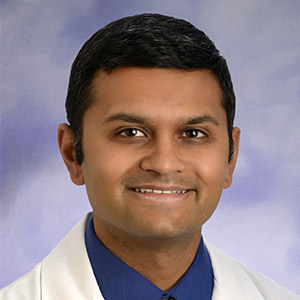
Kushal Shah, MD, an independent neurosurgeon who chooses to practice at Franciscan Health Indianapolis, explains the types of brain tumors, the symptoms to watch for and how they’re treated.
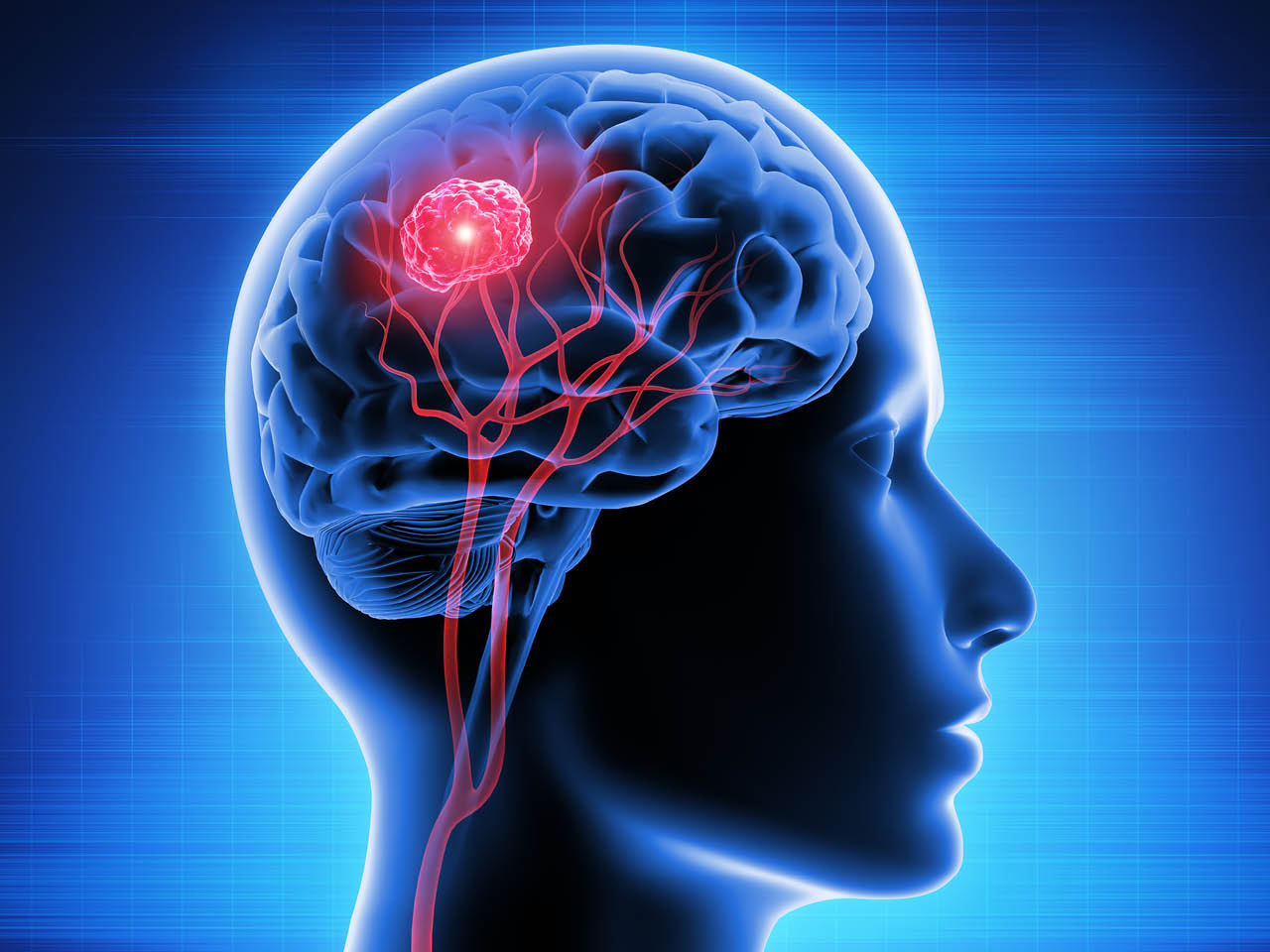
“A brain tumor is an abnormal growth of cells that occurs in the brain or outside the brain,” said Dr. Shah. “Sometimes they’re benign. Other times they are cancerous or malignant.”
About 1.3 million Americans are living with a brain tumor, and about 108,000 people are diagnosed each year.
No. About 74 percent of brain tumors are benign.
“Many times you hear brain tumor and people automatically assume the worst,” said Dr. Shah. “Some benign brain tumors are quite common, and people go on to live normal lives.”
Benign tumors grow slowly and typically don’t spread to nearby tissue. Cancerous tumors grow fast. They can invade nearby tissue, spread to other areas and come back even after treatment.
Primary brain tumors start in the brain. Secondary brain tumors, also called brain metastases, spread to the brain from cancer somewhere else in the body, such as the lungs, breast or colon. Brain metastases are more common than primary brain tumors. Pituitary tumors are another common, usually benign type.
Gliomas are one of the most common types of brain tumor. They start in glial cells in the brain and become more common with age. Doctors classify gliomas by grade. A lower grade is less aggressive, and a higher grade is more aggressive.
The most common glioma in adults is glioblastoma, which is also the most aggressive. It’s usually diagnosed in people in their 50s to 70s. Treatment typically includes removing as much of the tumor as safely possible, followed by chemotherapy and radiation therapy.
Meningiomas are usually benign tumors that grow from the covering of the brain. More than 90 percent are low grade, and fewer than 1 percent are malignant. They’re more common in women and typically show up in people in their 50s and 60s.
“Every week I’m in the office, I’m meeting patients who have no symptoms,” said Dr. Shah. “Just because you have a meningioma does not mean it needs treatment.”
Many brain tumors cause no symptoms and are found on imaging done for another reason. When symptoms do appear, they depend on where the tumor is.
“When I think about this, it’s location, location, location,” said Dr. Shah. “Where is it and what structure and function is in that area?”
For example, a tumor that presses on the nerves that control hearing can cause hearing loss. One near the vision nerves can cause vision loss, and one in the frontal lobe can change someone’s personality. Brain tumor symptoms can include:
Contact your provider if you have:
Seek emergency care immediately if symptoms resemble a stroke or seizure.
Talk to your doctor if you’re an adult who never had headaches and you now have persistent headaches that:
Headaches paired with any of the symptoms above should be checked with imaging. Where your head hurts doesn’t point to where a tumor is.
“The brain itself doesn’t have sensation,” said Dr. Shah.
In many cases, doctors don’t know why a brain tumor forms. For gliomas, the only clear risk factor is ionizing radiation, such as radiation treatment for a childhood cancer.
“Was it something I did? Was it where I work? Was it military service? I get these questions frequently, and there’s really no known environmental factor,” said Dr. Shah.
Smoking and head injuries aren’t linked to gliomas either.
People with an inherited condition called NF2-related schwannomatosis previously called neurofibromatosis type 2, are more likely to develop meningiomas.
Your primary care provider is the first person to talk with about possible symptoms. They may order an MRI, the best test to view the brain. It usually includes contrast dye given through a vein, which makes many tumors stand out from normal tissue.
“A lot of times people are scared and therefore don’t seek out attention to this problem, said Dr. Shah. “When you get an earlier diagnosis, it gives you the best treatment options as quickly as possible.”
The main treatment options for a brain tumor options are surgery, radiation and observation. The right choice depends on the type of tumor, its size and location, your symptoms and your overall health. Observation counts as a treatment, even though many people don’t think of it that way.
“Everything has risks, including surgery and radiation,” said Dr. Shah. “So we don’t always want to take that risk if we don’t need to.”
A small meningioma that doesn’t cause symptoms may simply be watched with regular imaging. If it’s growing or causing symptoms, surgery is often the next step. Removing a benign meningioma can often cure it. Read how Dr. Shah removed one patient’s large meningioma, and how she recovered.
Radiation may be used when a tumor can’t be safely reached with surgery, when some tumor is left after surgery or when surgery isn’t safe for you. The goal is usually to stop the tumor’s growth, not to make it disappear.
For cancer that has spread to the brain, surgery helps most with one large tumor causing symptoms. Multiple small tumors are usually treated with radiation. Your care may also include chemotherapy, clinical trials, physical therapy, occupational therapy and speech therapy.
Yes. About three-quarters of brain tumors are benign, meaning they are not cancerous.
Headaches are common, but headaches caused by brain tumors are rare. Talk to your doctor if you’re an adult who has never had headaches before but now have persistent headaches that:
Even if you don’t have a brain tumor, getting to the root of what is causing your headaches can help you feel better faster.
Franciscan Health’s brain tumor program provides complete neurological care from exam and diagnosis to surgery and rehabilitation. Our approach to treating both malignant and benign brain tumors provides every patient with a personalized, coordinated and compassionate treatment plan that involves experts from many specialties. Our brain tumor nurse navigators add a personal touch to the process by guiding patients one-on-one from diagnosis to treatment.
Healthgrades ranked Franciscan Health Indianapolis No. 1 in Indiana for neurosciences and recognized the hospital with its Neurosciences Excellence Award for five years in a row, from 2022-2026.
Neurological Surgery
Accepting new patients
Affiliated Exclusively