Request An Appointment
Don't wait, prioritize your health. Find the right Franciscan Health doctor for your needs, and request an appointment today.
Search the site for providers, locations, and content.
A spontaneous pneumothorax, often called a collapsed lung, is a condition that can sound alarming but is typically manageable when recognized and evaluated appropriately. Understanding the symptoms, causes and treatment options can help patients seek care in a timely and appropriate way.
Pulmonologist Bassel Ericsoussi, MD, who practices at Franciscan Physician Network Pulmonary & Lung Nodule Clinic Munster in northwest Indiana, explains what a collapsed spontaneous pneumothorax is, what causes a spontaneous pneumothorax and how doctors treat a collapsed lung.
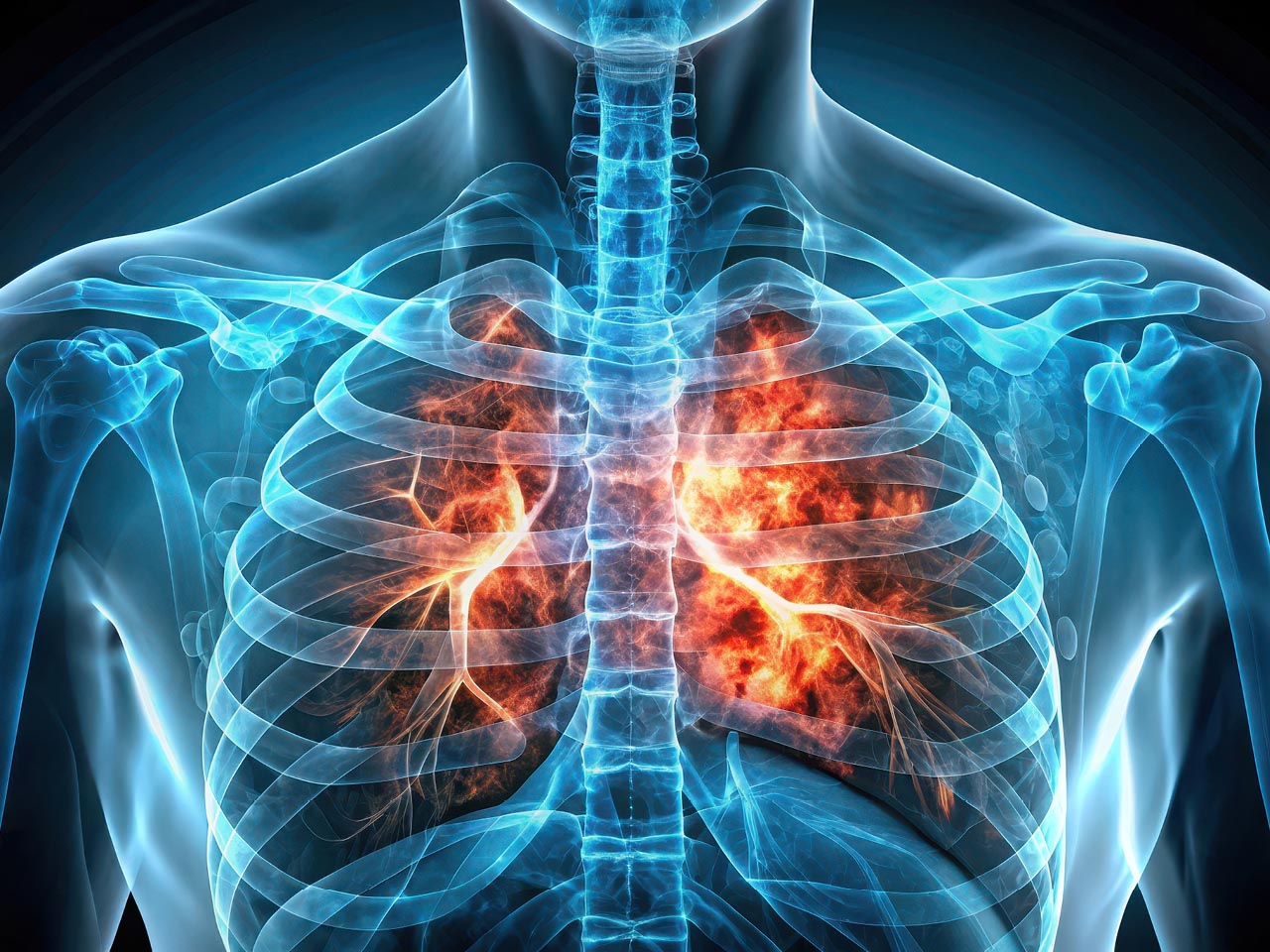
A spontaneous pneumothorax occurs when air collects in the space between the lung and chest wall, causing part or all of the lung to collapse without trauma. This can happen when small air sacs (blebs) rupture.
While some cases develop suddenly, others may progress gradually. The severity can range from mild to more significant depending on the amount of lung involved.
Symptoms of a collapsed lung can vary. Some patients may have minimal or no symptoms, especially with small pneumothoraxes. When present, symptoms may include:
Collapsed lung symptoms are not specific and are commonly seen in many other, more frequent conditions. Evaluation is particularly important if symptoms are new, persistent, or worsening.
“With appropriate care, outcomes are generally very good,” Dr. Ericsoussi said.
A collapsed lung can be caused by several events. Common contributors include:
Smoking cigarettes, vaping and marijuana use can contribute to a condition called bleb disease, in which tiny air pockets form in the lung and can rupture.
Blebs are small air pockets on the lung surface. When they rupture, air can leak into the chest cavity and cause lung collapse. This is more common in younger people and in those with smoking or vaping exposure.
“Blebs are small air pockets on the lung surface that can sometimes lead to a collapsed lung if they open,” Dr. Ericsoussi said.
Risk factors for a collapsed lung include:
Treatment depends on severity of the collapsed lung:
Outcomes are generally very good with appropriate management.
Steps to help prevent a collapsed lung include:
If you develop new or worsening chest discomfort or shortness of breath—especially if symptoms are persistent or unexplained—medical evaluation is appropriate to determine the cause. “If chest pain and shortness of breath occur together, it’s important to seek medical evaluation promptly,” Dr. Ericsoussi said.


Critical Care Medicine +2 more
Accepting new patients
Franciscan Physician Network
