
Connect With A Cardiologist
Request an appointment with a Franciscan Health cardiologist near you and stay on top of your heart health.
Search the site for providers, locations, and content.
The lost hour of sleep when clocks spring forward for daylight saving time can pose risks to your heart -- but there are ways to protect your heart health and get the rest you need. A Franciscan Health cardiologist offers tips for making the transition to DST.
A number of studies have found an increase in heart problems and stroke after the spring time change, according to the American Heart Association.
One study from New York found that hospital admissions for the heart rhythm disorder atrial fibrillation (a-fib) rise Monday to Thursday after the springtime switch, but it doesn't occur when daylight saving time ends in the fall.
A Michigan study found a 24% increase in heart attacks on the Monday after the spring switch, compared with a 21% reduction in heart attacks on the Tuesday after the fall time change.
And Finnish researchers reported an 8% rise in ischemic stroke (blocked blood flow in the brain) during the first two days after the spring switch.
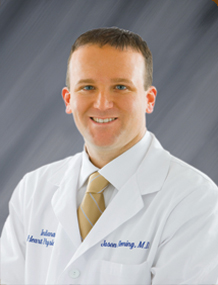
We don't really know the specific reason for increases in heart disease and stroke during the daylight saving time change, but it likely has something to do with the disruption to the body's internal clock, or its circadian rhythm," said Jason Fleming, MD, cardiologist with Franciscan Physician Network Indiana Heart Physicians in Columbus, Ind.
"If you are already at risk for cardiovascular disease, the time change could be even more risky," Dr. Fleming said. "It's important to work on improving your health risk factors all year long, and there are some specific steps you can take to prepare for the impact of 'springing forward' each spring."
Dr. Fleming advocates sticking to your schedule as closely as possible when adjusting in the week or two after Daylight Saving Time begins. "It's a pretty quick adaptation," he said.
If you struggle to adjust to Daylight Saving Time, take steps to ease your body's transition, including:
The best way to prepare for the time change is to make gradual lifestyle improvements year-round, said Dr. Fleming. Boost your physical activity. Have your cholesterol and blood pressure checked. Adopt good sleep habits and eat smart.
"These healthy lifestyle behaviors can soften the annual biological clock shock,” said Dr. Fleming, “and they are proven ways to reduce your risk of heart disease and stroke, helping you live a longer, healthier life.”
Cardiovascular Disease
Accepting new patients
Franciscan Physician Network
