Get Peace Of Mind At Urgent Care
Franciscan's Express Care and After-Hours Clinics offer walk-in access to care you need today.
Search the site for providers, locations, and content.
Head lice…nits…just the thought of them makes you itchy. Head lice, or Pediculus humanus capitis, is a parasitic insect that infests the hair and scalp. Head lice can infect anyone, so it’s important to know the symptoms and treatment options in case you or a family member gets them.
Hair lice can be a wintertime headache for families and schools, but simple precautions can stop the spread of these small, sesame seed-size parasites.
We sat down with Allison Massey, a physician assistant at Franciscan ExpressCare, to learn more about this itchy, crawly nuisance.
"The most common symptom of head lice is an itchy scalp," Massey said.
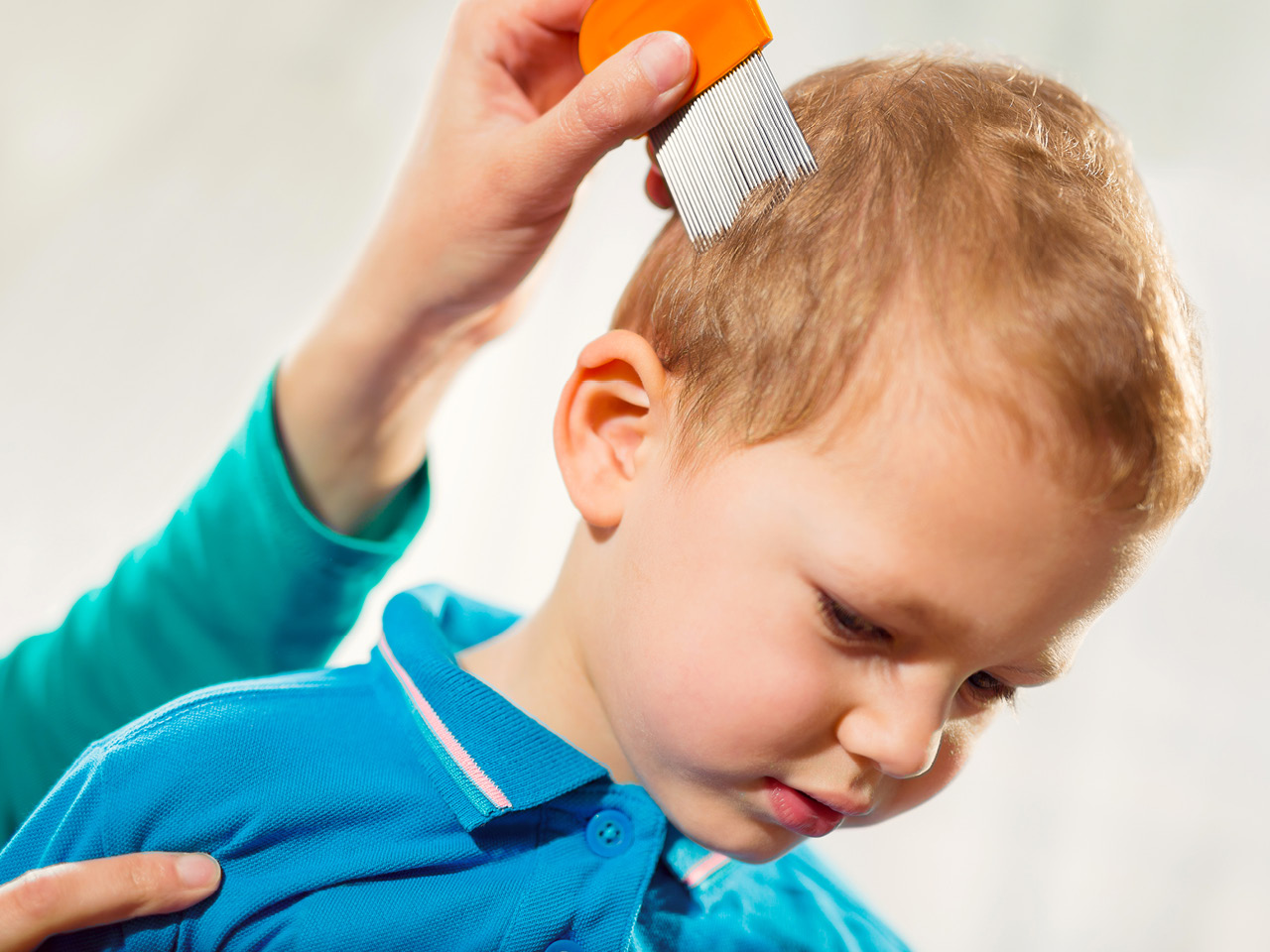
Another sign is seeing the live lice or nits (the lice eggs) on the scalp and hair. The best way to see the lice and their white or clear capsule-like eggs is by using a fine-tooth comb to carefully look through wet or dry hair. "You can more easily see the nits on the hair shaft, but they're difficult to remove," Massey said.
While not harmful, head lice can cause significant discomfort and should be mitigated as soon as possible both to ease lice symptoms and stymie further spread.
Head lice is most commonly spread in the United States during preschool and elementary school. Each year, 6 million to 12 million children in the United States, ages 3 to 11, experience head lice infestations, according to the U.S. Centers for Disease Control and Prevention.
"Head lice occur most commonly in children, but they can infect all ages and socioeconomic backgrounds," Massey said.
"Direct contact with the head of an infested person is the primary way to get head lice," Massey said. "Lice do not jump or fly."
The common misconception is that hair lice can spread through contact with everyday objects, like hats, brushes or pillows. However, research studies don't actually support that theory. Direct person-to-person contact is how nearly all cases of head lice occur.
Before starting treatment, you should confirm living lice are present on the scalp. If there are, you can use one of the following treatment options:
The CDC no longer requires children with hair lice to be sent home immediately; they can finish the school day, begin treatment after school, and return the next day.
