Ear, Nose & Throat Providers
At Franciscan Health, each ear, nose and throat (ENT) provider has a specialized combination of education and experience to diagnose and treat patients for a variety of conditions in the head or neck.
Search the site for providers, locations, and content.
It didn’t seem worrisome. There was no pain, no obvious sign he had something serious. But when the small lump on Angelo DelVerne’s neck continued to grow, his wife said someone should look at it.
“Next thing you know, I’m at the ear, nose and throat (ENT) doctor where I find out I have throat cancer,” DelVerne said.
Specifically, DelVerne had tonsil cancer that had spread to a lymph node. Tonsil cancer is a type of head and neck cancer, a classification that includes tumors of the mouth, lips, throat, voice box, nasal cavity and salivary glands. The National Cancer Institute (NCI) reports these cancers make up about 4 percent of all cancers in the United States.
Tonsil cancer is the most common cancer of the middle neck, or oropharynx. And its incidence is increasing. Doctors don’t always know what causes it. But infection with human papillomavirus (HPV) raises the risk. Roughly 75 percent of oropharyngeal cancers are linked to chronic HPV infection, according to the NCI.
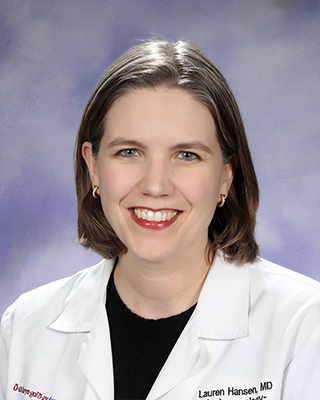
Angelo, who was 48 and hadn’t been to a doctor in 30 years, knew nothing about head and neck cancers. Nor did he have any idea the diagnosis was possible when he underwent imaging exams on the recommendation of Franciscan ENT surgeon, Lauren Hansen, MD. So, to hear he had cancer came as a surprise that Wednesday in April 2021. Equally surprising to him was the speed with which doctors started his treatment.
“Dr. Hansen said, ‘You’re having surgery Friday morning at 8,’” DelVerne said. “I said, ‘No, I just opened a new restaurant. There’s no way that’s going to happen. You’ve got to reschedule.’ She stepped out of the office and came back and said, ‘OK, Friday morning, I’ll see you at 8.’”
DelVerne had surgery to remove his tonsils at Franciscan Health Indianapolis that Friday. Just over two weeks later, he started chemotherapy and radiation therapy.
DelVerne’s health team warned him that tonsillectomy was usually difficult for adults. So he took 10 days off. Once he recovered from surgery, he planned to work through his remaining treatment.
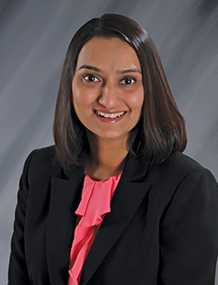
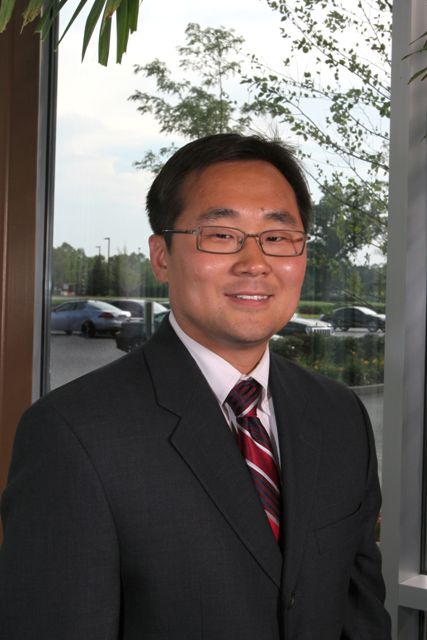
Chemo sessions, under the care of oncologist Meghana Raghavendra, MD, would take place every Tuesday, DelVerne’s day off. Radiation oncologist Michael Eaton, MD, planned radiation therapy sessions every weekday for seven weeks.
“Initially, I worked for almost three weeks,” said DelVerne. “But then, it was just too much.” He was constantly exhausted and feeling sick. And the chemo made his food taste like metal. Eventually, the radiation damaged his tastebuds, so food taste wasn’t an issue, but it became so painful to swallow that he could no longer eat anyway. He chose not to get a feeding tube, so for weeks, he survived on liquid nutritional supplements thinned with water.
It wasn’t easy, but he got through it, and his trials were worthwhile. Today, four years later, he shows no evidence of cancer.
After his diagnosis, there were mental challenges in addition to the physical ones. “I think I was mad that I had cancer,” he said.
As you’d expect, he had some anxiety, too. But that eased when he and his wife met with Drs. Eaton and Raghavendra. They gently walked them through his upcoming treatment process, answered all their questions, and left them feeling like they had a good plan and, most importantly, reason for optimism.
Like his surgery, the team scheduled the first consultations and treatment initiation quickly. In hindsight, DelVerne believes the speed of treatment made a difference in his outcome. Dr. Eaton’s office even handled the disability paperwork for him when DelVerne realized he couldn’t work through treatment.
DelVerne will continue to have follow-up appointments. But as he approaches his five-year anniversary, he knows cancer recurrence becomes less likely. He feels good about his future and grateful for the care he received at Franciscan.
“I was really lucky with the plan they put together, the doctors they gave me and the way they attacked the treatment,” he said. “My doctors were just really on top of it.”
When you know common signs and symptoms of head and neck cancer, it can help you get the quickest treatment. These include:

Hematology & Oncology +2 more
Accepting new patients
Franciscan Physician Network

Radiation Oncology
Accepting new patients
Affiliated Exclusively