Connect With A Cardiologist
Request an appointment with a Franciscan Health cardiologist near you and stay on top of your heart health.
Search the site for providers, locations, and content.
Heart valve disease can make exercise feel risky. Many people hold back because they worry they could make symptoms worse. Others stop exercising after treatment, even when their physician says it is safe.
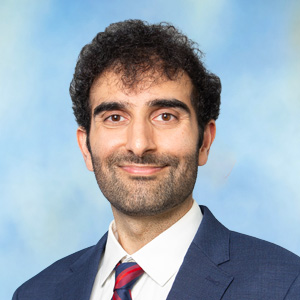
Asad J. Torabi, MD, an interventional cardiologist with Franciscan Health Crown Point, shares how to stay active safely if you have valve disease.
Your heart has four valves that open and close with each heartbeat to keep blood moving in the right direction. Heart valve disease can develop for several reasons, including infection or normal wear and tear over time.
Some people do not know they have a valve problem early on. As it worsens, symptoms may include dizziness, chest pain, fatigue or fainting. Treatment involves a procedure to repair or replace the valve.
How much valve disease affects your daily activity — and your ability to exercise — depends on how severe the condition is.
New to this diagnosis? Read "What Is Heart Valve Disease?" to learn how valve problems develop and what symptoms to watch for.
Patients with mild or even moderate valve disease can live a very active lifestyle, explained Dr. Torabi, who sees patients in Crown Point and Munster, Ind. "But when somebody’s condition becomes severe, we don’t want them to push too hard," he added. "If you can’t exercise like you used to, that can be a sign it’s time to treat repair or replace the valve."
Exercise will not fix a damaged or leaky heart valve, but it can improve your overall heart health. It helps your heart work more efficiently and may slow the progression of the condition.
Most people with mild to moderate valve disease can exercise without limits as long as they do not have symptoms.
Talk to your primary care doctor or heart specialist first if:
When you’re ready to get started, focus on simple, consistent habits:
The key to success is consistency. The more regularly you exercise, the more benefits you will see and the easier it will feel to stay active.
Severe valve disease requires a more cautious approach.
In many cases, your body will tell you something is not right. Talk to your physician if you experience any of these symptoms during exercise:
If you have these symptoms, do not push through them. Severe valve disease doesn’t go away on its own. Many people need a procedure to repair or replace the valve before they can safely return to more activity.
After a valve procedure, your ability to exercise won’t return to normal right away. You need a safe, structured plan to rebuild strength and regain trust in your body. That’s where cardiac rehabilitation comes in.
"The best way to think about cardiac rehab is supervised exercise," Dr. Torabi said. "You’re there with trained professionals who monitor your heart rate and blood pressure and walk you through it."
He knows some patients prefer to exercise on their own. "I tell people, even if you just go one or two times, learn the exercises," he said. "Then if you want to do them on your own, you can."
Many patients choose to continue beyond the first few sessions.
"A lot of people end up really liking cardiac rehab," he added. "It helps them build confidence and get past that mental barrier and return to the activities they enjoyed before their procedure."
As you ease back into your exercise routine, be aware of how your body feels. "A lot of older patients notice changes and just chalk it up to aging," Dr. Torabi said. "You really shouldn’t do that."
A drop in endurance, new shortness of breath or reduced activity level may point to a valve issue or another heart condition. If something feels off, slow down or stop. Pay attention to how your body responds.
You do not need to make these decisions on your own.
Talk to your provider if:
A primary care provider or heart specialist can evaluate your condition and guide your next steps.
Exercise remains one of the best ways to protect your heart, even if you have valve disease. "The end goal for our patients is to help them go out there, be active and live a normal, healthy life," Dr. Torabi said.
Start where you are. Pay attention to your body. If you are unsure about your limits, your care team can help you decide what is safe.
Talk with your physician if you experience chest pain, shortness of breath, fatigue, dizziness, swelling in the abdomen or legs, or an irregular heartbeat. Your physician may recommend you see a specialist to learn more.
Find a provider or request an appointment online.
Reminder: Call 911 if you experience sudden chest pain, discomfort or pressure — especially if it spreads to your arm, neck, jaw or back — along with shortness of breath, sweating or nausea. These symptoms may signal a heart attack or other cardiac emergency.

Cardiovascular Disease +1 more
Accepting new patients
Franciscan Physician Network
