
Connect With A Cardiologist
Request an appointment with a Franciscan Health cardiologist near you and stay on top of your heart health.
Search the site for providers, locations, and content.
Your heart has four valves that work like one-way doors – they open and close with each heartbeat to keep blood moving in the right direction. When these valves are healthy, you likely never think about them.
But when a valve doesn’t open or close the way it should, it can affect how well your heart pumps blood to the rest of your body. Common causes include age-related wear and tear, genetics, infections or other health conditions that damage the valve tissue.
Advances in heart valve surgery now offer more repair and replacement options than ever before, often with faster recovery times. At Franciscan Health, we also use a care pathway called ERAS, or Enhanced Recovery After Surgery, to improve heart surgery outcomes and speed recovery.
Heart valve repair and valve replacement are one of the fastest advancing areas of heart care. New heart valve surgery techniques and innovative valve technologies can help people feel better sooner and return to daily life more quickly.
In general, cardiothoracic surgeons try to repair a heart valve whenever possible, to preserve a person’s own heart tissue. However, repair isn’t always an option. When valve tissue is too damaged or stiff, a heart valve may need to be replaced with:
Valves from another human heart or an animal may wear out overtime. Manufactured mechanical valves are very durable and should last a lifetime but require lifelong blood-thinning medication. Some of the newest mechanical valves even allow us to use less blood-thinning medication than in the past.
Your heart’s four valves can develop two types of disease:
Stenosis most often affects the aortic valve and is commonly caused by calcium buildup that makes the valve stiff. Regurgitation is more common in the mitral and tricuspid valves and is often caused by prior heart damage, infection, or structural changes in the heart.
Some people are more likely to develop heart valve problems than others. Risk factors include:
“People with valve problems often don’t know they have them”, said cardiothoracic surgeon Andrew R Barksdale, MD, FACS, who practices at Franciscan Health Heart Center in Indianapolis. “They may not have symptoms for years. For example, if you are not physically active, you don’t tax your heart very often. Therefore, you might not experience symptoms until the disease has progressed further.”
An echocardiogram, a painless ultrasound of the heart, can often detect valve disease before symptoms appear.
When one of your heart valves doesn’t work correctly, you may need to have it repaired or replaced. Untreated heart valve disease can lead to serious complications or death.
Symptoms vary from person to person. Some people have no symptoms, while others experience sudden or worsening signs.
Talk with your physician if you notice:
In early or mild cases, nonsurgical treatment can often manage heart valve disease. These include:
If your condition worsens and medicine no longer helps, your doctor may recommend valve repair. This heart valve surgery allows patients to keep their own heart tissue and helps avoid some of the long-term concerns that can come with replacement valves.
Most leaking mitral and tricuspid valves can be repaired rather than replaced, which preserves the patient’s natural valve.
When we restore the function of a patient’s own valve, there is often no need for lifelong blood thinning medication and no risk of replacement valves wearing out over time.
Heart valve surgeons use different repair techniques based on each patient’s valve and overall health. Your surgeon may:
Your heart care team will determine the safest and most effective repair option for you.
When valve repair isn’t possible, your doctor may recommend a replacement valve.
Traditional aortic valve replacement usually requires open-heart surgery, but TAVR (Transcatheter Aortic Valve Replacement) allows surgeons to replace the aortic valve using very small incision. During the procedure, the surgeon guides a new valve to the heart through a thin, flexible tube called a catheter. The new valve is placed inside the damaged one, where it immediately begins to regulate blood flow. Most patients stay overnight and go home the next day.
Thanks to modern heart valve surgery techniques and recovery protocols, many people return to normal activities sooner than expected.
“At Franciscan Health, we utilize specialized protocols both before and after surgery to get people back to their lives more quickly,” Dr. Barksdale explained. “We want patients to feel like themselves again as soon as possible.”
Talk with your physician if you experience chest pain, shortness of breath, fatigue, dizziness, swelling in the abdomen or legs, or an irregular heartbeat. Your physician may recommend you see a specialist to learn more.
Call 911 if you experience sudden chest pain, discomfort or pressure – especially if it spreads to your arm, neck, jaw or back – along with shortness of breath, sweating or nausea. These symptoms may signal a heart attack or other cardiac emergency.

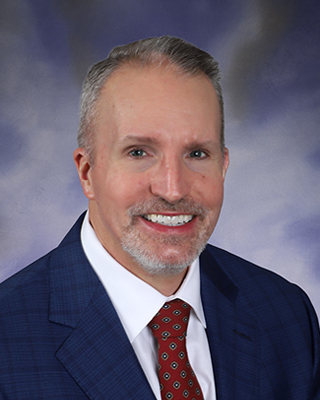
Thoracic Surgery (Cardiothoracic Vascular Surgery)
Accepting new patients
Affiliated Exclusively