Understanding Herniated Discs
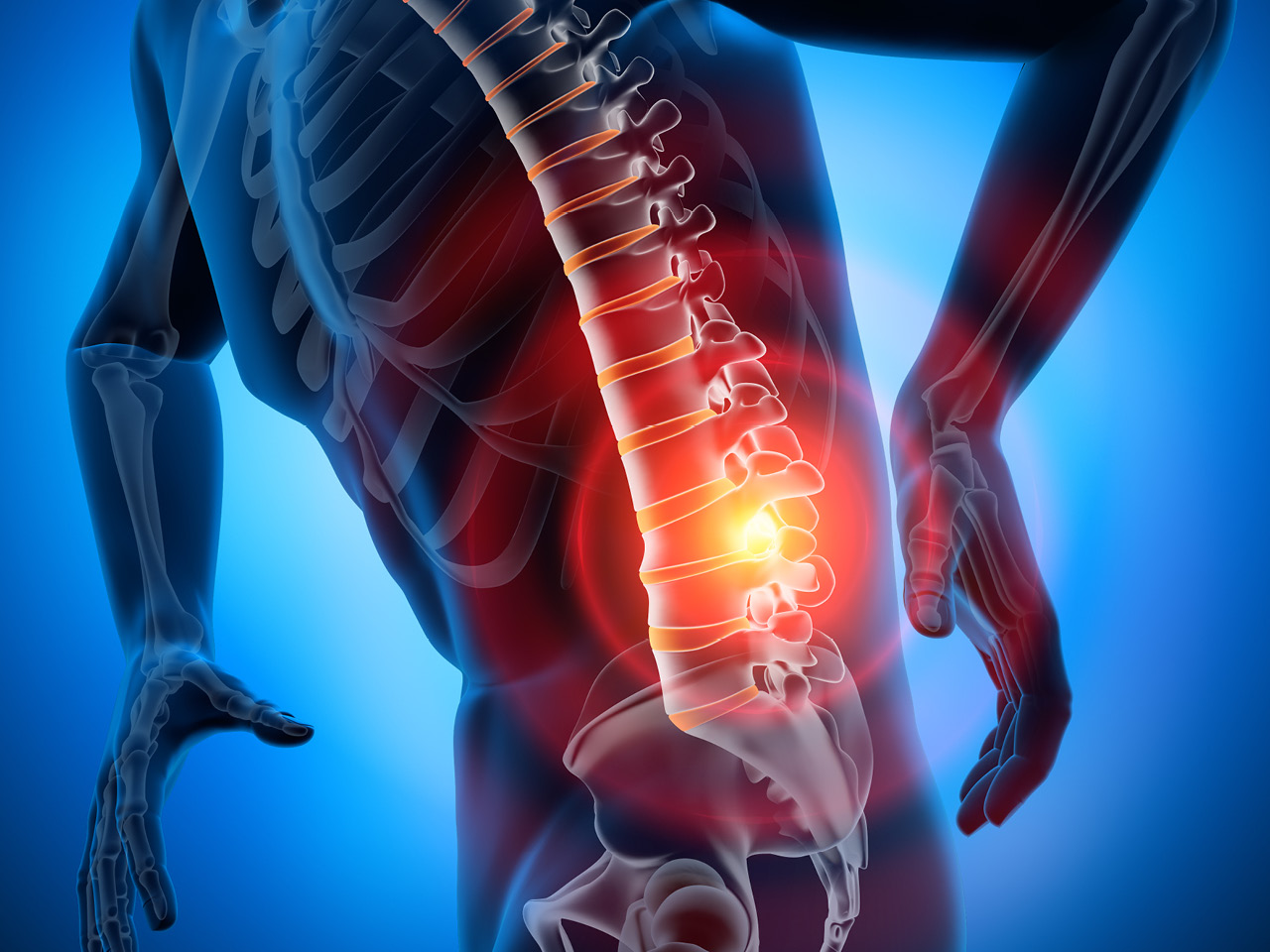
Key Takeaways: Herniated Disc
- A herniated disc occurs when the soft center of a spinal disc pushes through its outer layer, potentially putting pressure on nearby nerves. Aging, injuries, repetitive movements and improper lifting can increase the risk.
- Herniated disc symptoms may include back or neck pain, shooting pain down an arm or leg, numbness, tingling and muscle weakness.
- Most herniated discs improve without surgery.
A herniated disc, also called a slipped or ruptured disc, affects the cushioning tissue between the vertebrae (bones) of the spine. Discs are your spine’s shock absorbers; they help your spine stay flexible. When you move your back, the discs absorb the pressure on your spine.
When a herniated disc occurs, the jelly-like center of the disc bulges or leaks through the outer ring of the disc. This puts added pressure on the nerves and spinal cord.
Herniated discs occur most frequently in the lower back but can also happen in the neck. A slipped disc in the neck can pinch the spinal cord and cause major issues.
People often describe herniated disc pain as an electric or burning pain that shoots from the back down into the leg, said Andrew Koivuniemi, MD, PhD, a Lafayette, Indiana, neurosurgeon with Franciscan Physician Network Neurosurgery & Pain Specialists.
“When a disc herniates in the back, it can go in all different directions,” Dr. Koivuniemi said. “It's really a problem for you though, when that disc starts pinching one of the nerves that's inside your back or, even worse, when it starts pinching the spinal cord. We have discs all the way up and down our spine from our neck down to our low back. And if a disc herniates up in the neck, it can pinch the spinal cord and that can cause major issues. Normally, most of the time what we see is those discs herniating in the low back. Down there, there's actually no spinal cord. It's just nerve roots. Still if one of those nerve roots gets pinched or irritated by that herniated disc, it can cause a lot of issues, specifically pain and weakness.”
The Causes Of Herniated Disc In Your Back
Several factors can increase your risk of a herniated disc, said Dr. Koivuniemi. One common factor is age.
“As you age, the discs in your spine become less flexible and can make you more prone to damage or injury,” he said.
A herniated disc can occur while playing sports, picking up heavy objects or working manual labor jobs. Sudden pressure, smoking, repetitive strenuous activities, improper lifting (such as twisting and turning while picking up something heavy) and carrying extra body weight that puts stress on the discs in the lower back can all help weaken discs in the lower back.
Other risk factors for a herniated disc include:
- Carrying extra body weight
- Genetics
- Improper lifting
- Injuries such as falls, accidents or sports-related trauma
- Lifestyle habits such as poor posture
- Repetitive motion
“Sometimes, we’ll see patients who just woke up with a herniated disc,” said Dr. Koivuniemi.
Various causes can affect people with all types of backgrounds.
Symptoms Of A Herniated Disc
The main symptoms of a herniated disc include leg pain, numbness, weakness or tingling. But pain can also extend to other parts of the body.
“The pain that you experience with a herniated disc is classically described as sort of an electric or burning pain that shoots from the back and down into your leg. The reason that pain shoots into your leg is because the nerve carries information from that part of the body,” said Dr. Koivuniemi. “When that nerve gets irritated, the brain experiences pain in that part of the body because the brain can't map to the nerve.”
The brain only knows where the pain sensation should come from.
“That’s one thing that surprises patients. They often ask me, ‘Well, doc, why are we looking at my back? It’s my leg that’s killing me,’” Dr. Koivuniemi said.
Several nerves travel down the back of your leg.
“For example, one nerve, the L5, helps you raise your foot,” said Dr. Koivuniemi. “A classic symptom is a foot drop — where the foot has a hard time lifting its toe as you’re walking, and it can catch and drag.”
As other nerves get pinched, they can cause weakness in your knees or hips.
“You may feel especially severe pain, like sharp shooting pain, after any sort of strain, including coughing or prolonged periods of sitting or standing,” said Dr. Koivuniemi.
This pain, called sciatica pain, runs from your lower back through your buttocks and down one of your legs.
You should go to the emergency room if pain, numbness and weakness:
- spreads to one or both of your legs
- causes a loss of bladder or bowel control or are unable to urinate
- produces a loss of sensation in your inner thighs, back of the legs and areas around the rectum
These could be a sign of compression in the spinal nerve roots, which can require emergency surgery to relieve the pressure.
Diagnosing Herniated Discs
When evaluating a person for a herniated disc, doctors will take a medical history and do a physical exam. Many times, people will complain of weakness.
“We can perform a straight leg test where the patient lies flat and a doctor lifts their leg. This provocative maneuver usually stretches the nerve and makes the irritation worse,” said Dr. Koivuniemi.
Since increased pain from such a movement is not enough to make the diagnosis, doctors use other diagnostic tools, too.
“We usually need imaging, the gold standard, such as magnetic resonance imaging (MRI), where we can see the nerves and discs. Imaging lets us identify the exact location and how the disc pinches the nerves,” Dr. Koivuniemi said.
However, since herniated discs account for only a small percent of low back pain, doctors generally don’t do an MRI unless a person has both back pain and warning signs of a serious injury or disease.
If a person can’t get an MRI, doctors can use a CT myelogram, an imaging procedure that examines the vertebrae and discs.
Pain And Herniated Discs
Plenty of people with herniated discs never know it. In fact, studies have found that roughly 22 to 40% of people without back pain actually have herniated discs. Many people with back pain also have herniated discs, but the two problems aren’t necessarily related.
Many cases of back pain occur from sprained or strained muscles in the lower back, not leaking discs. According to a New England Journal of Medicine report, herniated discs account for only about 4% of lower back pain cases.
Herniated Disc Treatments
If you rest and take good care of your back, there’s a good chance your disc will get better without medical treatment. Most herniated discs take four to six weeks to improve, and many people can return to normal activities within a couple of months.
Taking the strain off your back is the first step in the healing process. Other helpful tips during recovery include:
- Don’t lift heavy objects.
- Refrain from bending repeatedly.
- Don’t sit for long periods.
- Participate in regular exercise to strengthen your back and promote healing.
- Take over-the-counter pain relievers such as aspirin or ibuprofen.
- Use a cold compress on the aching spot for 15 minutes at a time, four times a day.
- See your doctor about corticosteroid injections – medications to calm inflammation.
- Try alternative, or non-medical therapies, such as acupuncture.
- Surgery can also help in cases of nerve damage that grows steadily worse or pain that interferes with the bowel and bladder function.
Some people with back pain have also tried transcutaneous electrical nerve stimulation (TENS), where a physical therapist uses a battery to send very modest electrical currents into the muscle. This electrical current can help stimulate the body to release endorphins, the body’s natural painkillers.
Talk to your healthcare provider if you’re experiencing back pain, numbness or weakness. They can determine if you may have a herniated disc. Don’t let the pain and discomfort hold you back from living your life to the fullest. Schedule an appointment with your Franciscan Health doctor today and get on the path to a healthier, more comfortable you.
Frequently Asked Questions: Herniated Discs
"The pain that you experience with a herniated disc is classically described as sort of an electric or burning pain that shoots from the back and down into your leg," Dr. Koivuniemi said. "Usually people describe it as sort of an acute-onset, shooting-type pain that comes down into the leg."
"The reason that pain shoots into your leg is because the nerve carries information from that part of the body," Dr. Koivuniemi said. "When that nerve gets irritated, the brain experiences pain in that part of the body because the brain can't map to the nerve. The brain only knows where that information is supposed to be coming from. That's one thing that surprises people."
"Occasionally that disc can be such a bad herniation that it pinches pretty much all the nerves inside your back at once and puts severe pressure on it. That causes what's called cauda equina syndrome," Dr. Koivuniemi said. "Cauda equina syndrome, It's not subtle. You have severe pain. You often have significant weakness associated with this. You have numbness around your groin and around your perineum area. And the thing that people most often notice though, is it affects your bowel and your bladder.
"What happens is severe pain, weakness, but most importantly, you lose the ability to control your bowel and your bladder, typically what we call an overflow incontinence, where you have a hard time going to the bathroom, and then there's usually a loss of control of the sphincter of the butt, and that leads to fecal incontinence. And when that happens, you got to come to the emergency department to be evaluated. Time is really of the essence in treating that problem. The sooner we get you to surgery, the more likely we are to help you get better."

Featured Providers

Andrew S Koivuniemi, MD, PhD
Accepting new patients
Franciscan Physician Network
