Our Providers
Our providers deliver complete, compassionate care. We make it easy to find exceptional providers and get world-class care close to home.
Search the site for providers, locations, and content.
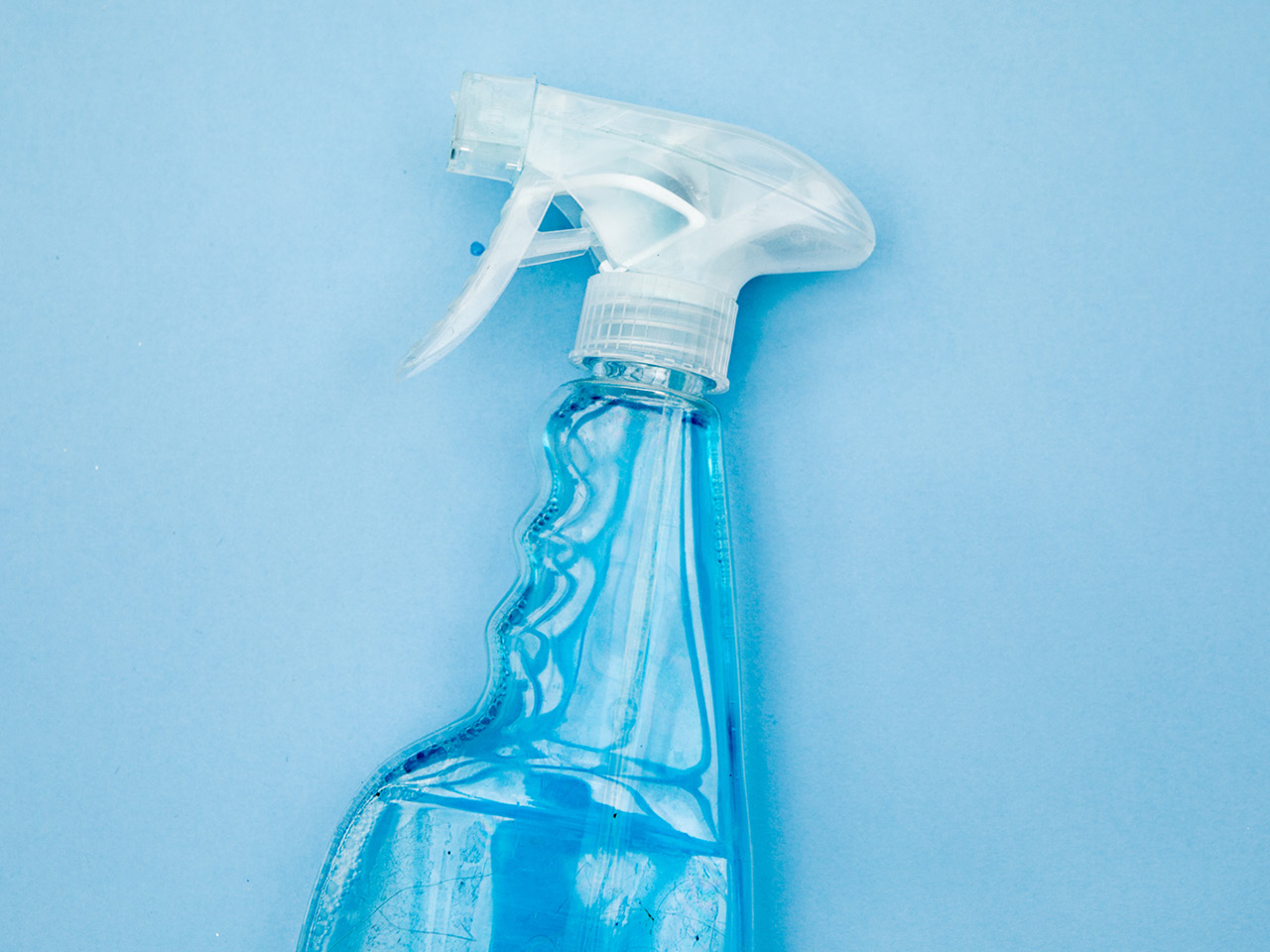
Whether it’s for spring cleaning, flu season or another illness in your house, cleaning product sales are on the rise. But research suggests that deploying all those extra household disinfectants might be triggering asthma or allergy flare-ups.
Understanding how these products work can help protect your family’s respiratory health while keeping your home clean.
“Yes, cleaning products can trigger allergies or asthma conditions, but typically not on an allergic basis,” said said Dennis Rademaker, DO, allergist at Franciscan Physician Network Family Wellness Center in Munster, Ind. “Usually these products have more of an irritant effect on the nose, eyes and airway, but their effect can be as severe as exposure to an allergen.”
However, the possibility of an allergy or asthma flare-up should not discourage extra cleaning during a pandemic or spring cleaning.
“It can be a very effective method of reducing allergens exposure. Particularly for patients who have year-round or indoor allergies,” Dr. Rademaker said.
The study authors suggested that increased use of household disinfectants could be affecting people with asthma, and they should talk to their health care providers about safer cleaning alternatives.
Cleaning product alternatives include vinegar, water and a drop of dish detergent, 70% alcohol, or hydrogen peroxide.
“We typically categorize triggers into seasonal, perennial or year-round. Seasonal triggers include pollens which are mostly outdoors as well as molds and mold spores which can be indoors or outdoors. Exposure to these allergens usually occur on a seasonal basis spring through fall,” Dr. Rademaker said.
If you have an allergy, your immune system mistakes an otherwise harmless substance as an invader.
“Year-round allergens include dust mites, molds, animal danders such as cat and dog and some unusual allergens such as roach, mouse and feather. These exposures usually occur throughout the year and can cause chronic symptoms,” Dr. Rademaker said.
Spring cleaning can be very helpful to you and your family. Dr. Rademaker has suggestions on what to incorporate into the way you spring clean.
“It is helpful to ‘air out’ the house and pay attention to carpeting and floors to vacuum and clean properly,” Dr. Rademaker said. “This will reduce exposure to dust mites, animal dander and mold spores. Changing your furnace filter will efficiently trap disturbed particles of allergens.”
“It is also a good time to yearly replace your pillows which can harbor significant amounts of dust mites. Thorough dusting can trap and remove allergen particles as well. Of course, mask wearing is essential to protect against sudden allergen exposure,” Dr. Rademaker said.


Allergy & Immunology +1 more
Accepting new patients
Franciscan Physician Network
