Request An Appointment
Don't wait, prioritize your health. Find the right Franciscan Health doctor for your needs, and request an appointment today.
Search the site for providers, locations, and content.
Latin American and Caribbean cuisine is celebrated for its bold flavors and comforting dishes. However, many traditional recipes can be high in sodium, saturated fats, and calories—factors that increase the risk of heart disease. The good news? You can enjoy authentic flavors while supporting your heart health by making a few smart changes.
According to the American Heart Association, diets rich in whole grains, fruits, vegetables, lean proteins and healthy fats, such as those found in Mediterranean and traditional Latin cuisines, are linked to better cardiovascular health.
Here are 10 ways to level up your Latin cooking without sacrificing flavor.
Preparing meals at home gives you control over salt, oil and portion sizes. Cooking at home allows you to control the ingredients and the amount of salt and oils you use.
Restaurant meals often include oversized portions and extra starches—chips, rice, beans, and tortillas all on one plate.
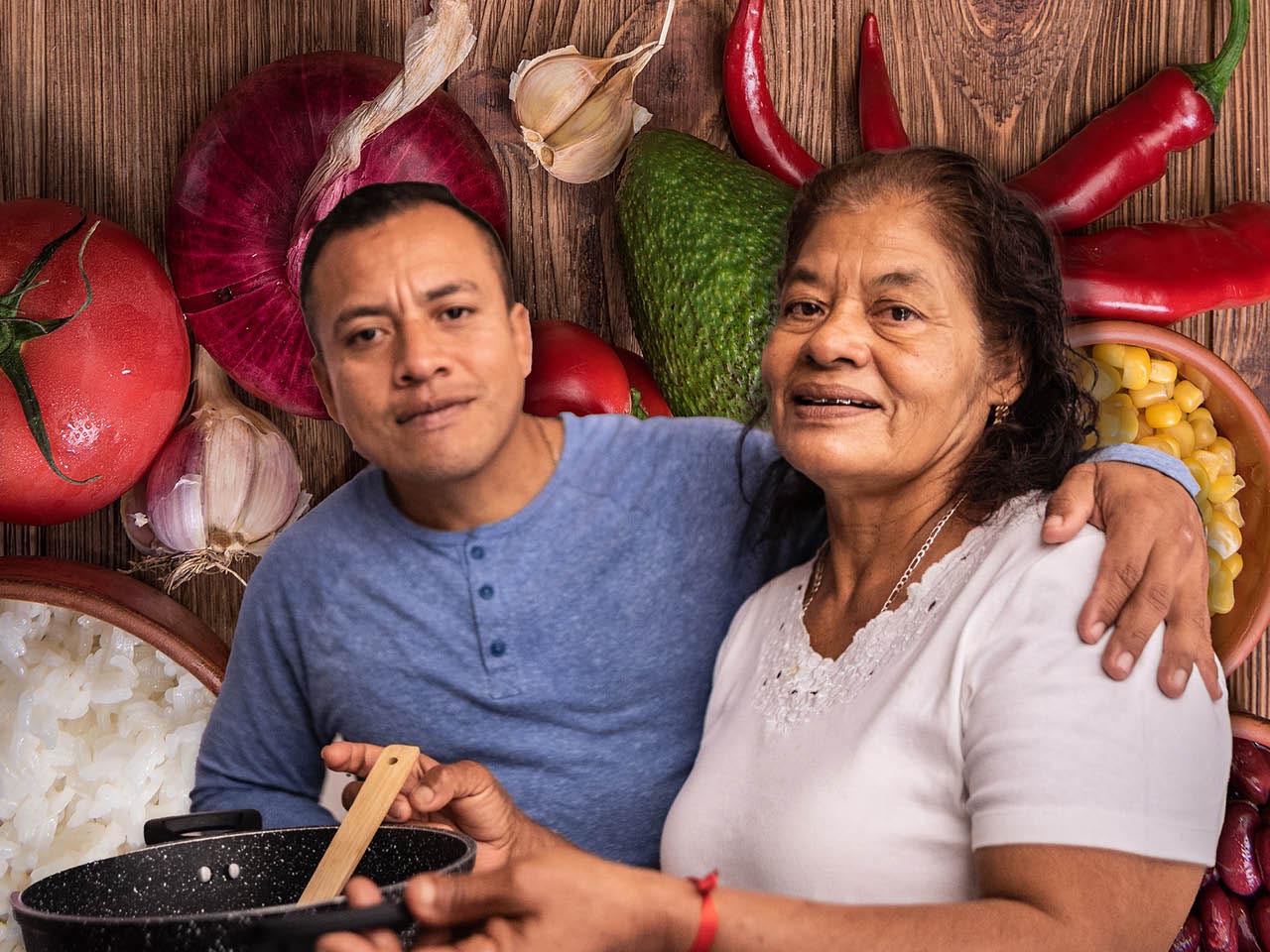
Authentic Latin dishes often feature wholesome, plant-based ingredients. In Nicoya, Costa Rica—a “blue zone” known for longevity—meals are rich in beans, legumes, avocado, colorful vegetables, and lean proteins like fish and chicken. These staples are common across Latin America and form the foundation of a heart-healthy diet.
Excess sodium can raise blood pressure and harm kidney health. Replace salt with flavorful herbs and spices like garlic, onion, cilantro and oregano. These seasonings add depth without the health risks.
Frying foods in oil or lard adds saturated fat, which can raise cholesterol and increase heart disease risk. Instead, bake or air fry your favorites. For example, tostadas can be crisped in the oven instead of being submerged in oil.
If you need to use oil, opt for olive, avocado or canola oil. These contain healthier fats compared to lard or shortening. But remember—portion control matters. A serving of oil is just two tablespoons, so measure carefully.
Arepas and pupusas (corn-based patties popular in Venezuela, Colombia and El Salvador) can be nutritious when prepared thoughtfully. Bake instead of fry, and fill them with lean proteins and vegetables. A reina pepiada arepa with chicken breast, avocado, tomato, and cilantro is a great example of a balanced option.
Avocados and certain oils provide monounsaturated fats, which are better for your heart than saturated fats. Research even shows that diets higher in healthy fats, like the Mediterranean diet, can reduce cardiovascular risk. Still, quality and quantity matter. Don’t go overboard.
Tacos don’t have to be loaded with cheese and sour cream. Use lean meats or plant-based fillings, and pile on fresh veggies. Beans, grilled chicken and fish are excellent choices that keep flavor high and saturated fat low.
Puerto Rican sofrito—a blend of garlic, onions, peppers, tomatoes and herbs—is a flavorful, fiber-rich alternative to salt. Use it in soups, stews, beans, and rice for a healthy, economical way to boost taste without sodium.
Check out these resources for heart-healthy Latin recipes:
