
Connect With A Cardiologist
Request an appointment with a Franciscan Health cardiologist near you and stay on top of your heart health.
Search the site for providers, locations, and content.
On average, men may experience a first heart attack around age 65, while for women, the average age is 72. Yet despite their earlier risk, men are 33% less likely than women to have visited a doctor in the past year, according to the Centers for Disease Control and Prevention.
Ignoring symptoms or skipping routine checkups can have serious consequences—especially when some of the warning signs are tied to sensitive topics. But having honest conversations with your doctor about the following health concerns could truly save your life.
While ED may feel like an uncomfortable topic, having erectile dysfunction can be an early warning sign of cardiovascular disease.
“For men, erectile dysfunction is often a leading indicator for vascular disease or coronary heart disease, often 10 years in advance of having an event,” said Derrick Plahn, DO, a Franciscan Physician Network cardiologist in Indianapolis.
“If you’re taking nitrates for chest pain and Viagra, you could bottom out your blood pressure and that could be a problem,” said Ghaith Nahlawi, MD, cardiologist at Franciscan Physician Network Specialty Clinic in Lafayette.
Low testosterone—often referred to as “Low T”—is more than an aging sexual health issue. It’s also tied to heart health, especially when accompanied by abdominal obesity.
“Abdominal obesity can be a marker of prediabetes, hypertension and metabolic syndrome,” said Dr. Plahn.
After age 70, the body may increase luteinizing hormone (LH) to stimulate testosterone production. Levels of sex hormone-binding globulin (SHBG) also affect how much testosterone is available to the body. When testosterone does fall, the result may be increased weakness and fatigue, diminished sexual performance, loss of muscle mass, and a higher risk for diabetes and dementia.
Stress and anger are often linked to heart attacks in men.
“They say stress kills, and it’s probably true,” said Dr. Plahn.
Dr. Nahlawi adds that people who are more stressed tend to have more bad habits that pose dangers to the heart. It can be difficult to pinpoint the cause of heart disease to stress or the things that come with it. Learn more about how stress impacts your heart health.
“If we can take care of these things, they’ve all proven to contribute to heart disease,” said Kamlesh Kaul, MD, family medicine physician at Franciscan Physician Network Family Medicine West Lafayette.
A number of preventive screenings and lifestyle changes can provide peace of mind or guide a patient to needed treatments.
Dr. Nahlawi recommends:
“Those basic things go a long way to keeping your heart healthy,” Dr. Nahlawi said.
Fitness trackers can help monitor:
“If you can lower your resting heart rate through exercise, you can lower your risk for heart issues,” said Dr. Plahn.
“If you have a parent with early onset heart disease—a heart attack or stroke at a young age—then you are at risk,” said Dr. Kaul.
What to Watch For in Your Family
If anyone in your family is taking medications for high blood pressure or has had a heart procedure (including a cardiac stent placed or open heart surgery), this can provide clues to your inherited risk.
“We don’t mind one bit seeing people that self-refer because they’re concerned about a family history,” Dr. Kaul added.
CKM syndrome brings together many of the same health concerns that affect men's cardiovascular health, including obesity, diabetes, high blood pressure and kidney disease. Identifying these risks early can help prevent serious complications later in life.
Erectile dysfunction can sometimes be an early sign of underlying blood vessel disease, diabetes, obesity or high blood pressure. Because these conditions are closely linked to CKM syndrome, men experiencing ED should discuss their cardiovascular and metabolic health with their healthcare provider.

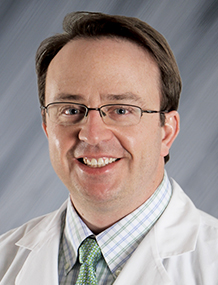
Cardiovascular Disease
Accepting new patients
Franciscan Physician Network

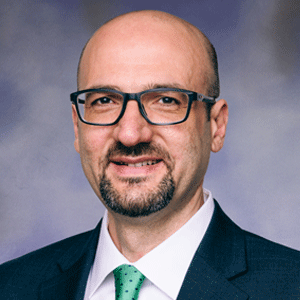
Cardiovascular Disease +1 more
Accepting new patients
Franciscan Physician Network