
Request An Appointment
Don't wait, prioritize your health. Find the right Franciscan Health doctor for your needs, and request an appointment today.
Search the site for providers, locations, and content.
Did your mother ever tell you to "Speak up for yourself?" Well, she was definitely on to something. And it's especially important to take her advice in today's healthcare environment.
With tight schedules and the demands of daily life working against both you and your healthcare provider, it's important to make the most of your appointment from the start.
“Even if you don’t have symptoms, it’s important to check in regularly," said Gregory Specht, DO, a family medicine doctor with Franciscan Physician Network CityWay Family Medicine. "It’s getting a baseline of where your body is at from the perspective of your vital signs, basic screening, and blood work. I think for a lot of people, there’s this sense that if you go to the doctor, you’re going to walk away with a medication. But if you’re proactive with it, you can often prevent the need for medication by correcting something. When your car’s check engine light comes on, you get the engine checked. Let’s try to fix it before there’s a problem and something needs to be repaired. It’s the same with your health. My goal is to avoid medication if possible. The sooner we recognize an issue, the sooner we can address it and make lifestyle modifications, ideally to correct it.
This means taking charge of your healthcare with a few tried and true strategies that even your mother would approve of.
Before your appointment, get organized:
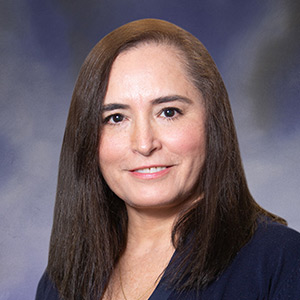
”Patient and physician time is better spent focusing on risk factors and recommended health maintenance items that have been shown to have a clear positive effect on health,” said Nancy Gamarra Flores, MD, an internal medicine physician with Franciscan Physician Network Hammond Family Health Center. "Much of the wellness visit is based on attending to recommendations from various health-related agencies such as the Centers for Disease Control (CDC) and the U.S. Preventative Services Task Force (USPSTF). These organizations evaluate the medical literature and make evidence-based recommendations based on age and other risk factors such as smoking status and weight. These include things such as screening tests for cervical cancer (Pap smear), breast cancer (mammography), hypertension, diabetes, high cholesterol, colon cancer, depression and more.”
During your appointment, participate:
After your appointment, review what you’ve learned:
“Healthcare is about relationships,” Dr. Gamarra Flores said. “When you take charge of your health by clearly and honestly communicating your needs, you can help your healthcare provider give you the best care.”

Internal Medicine +1 more
Accepting new patients
Franciscan Physician Network


Family Medicine
Accepting new patients
Franciscan Physician Network