Get Help On Healthy Eating
From disease-specific nutrition advice to weight loss and diet expertise, Franciscan Health's registered dietitians are here to help.
Search the site for providers, locations, and content.
Whether the focus is on eating heart-healthy, preventing type 2 diabetes, or even helping with keeping yourself feeling youthful, the Mediterranean diet continues to make headlines.
“We may be miles away from the Mediterranean Sea, but following this meal plan doesn’t have to consist of heard to get, foreign foods,” said Franciscan Health Lafayette East registered dietitian Amanda Crosby. “With a few changes in the amount of plants you eat daily, it can easily be achieved.”
Crosby explains what the Mediterranean diet is, how Mediterranean foods can be used as part of a heart-healthy diet and Mediterranean diet staples to keep in your pantry.
The Mediterranean diet is based on the eating patterns of people who live in the Mediterranean region. While many people associate the Mediterranean with Greece and Italy, the Mediterranean region includes flavors from Spain, north African countries like Morocco and the Middle East.
Mediterranean cooking includes healthy fats found in olive oil and nuts and plenty of fresh fruits, vegetables, whole grains, legumes and fish. A 5 oz. glass of red wine also can be enjoyed daily.
When you adopt a Mediterranean style diet, you would limit red meats and processed foods. You can still enjoy in small amounts and less often, such as one to two times a month.
"The Mediterranean diet is a lifestyle, not a fad diet that cuts out food groups,” Crosby said. “Focus on eating more plants, limiting long hours of sitting, and enjoying the people you eat with all the tastes and smells of your food. So put your cell phone down and take time to enjoy your meal.”
The Mediterranean diet, with its higher emphasis on fiber, healthy fats and fish, has been linked to studies showing improvements to heart health, healthy aging, brain health, lowered cancer risk and more.
But the key is making a transition in overall diet, not just enjoying a night or two of pasta or hummus.
“Remember it’s a lifestyle change,” Crosby said. “So instead of frying your fish, try grilling or baking and try oil instead of butter. It’s adding healthier foods daily and making half your plate veggies.”
Sold on trying the Mediterranean diet? Let's learn more about Mediterranean diet staples and how to stock your kitchen.
Staples to include in your Mediterranean pantry include:
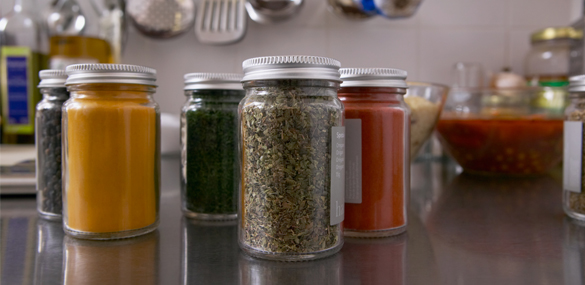
Herbs and spices to add to your pantry to incorporate Mediterranean flavors include:
A diet based on countries near major sources of water obviously includes proteins such as salmon, shrimp, tuna, halibut and other fish.
Not a fish eater? You can still benefit from eating a Mediterranean style diet. Consider these additional protein sources.
Avoid fatty cuts of meat and fried foods, and limit your red meat servings to no more than once a week.
Instead of: |
Choose: |
| White rice/Yellow rice |
Brown rice Black rice Wild rice Cauliflower rice Quinoa |
| White pasta |
Whole wheat pasta Bean, lentil or quinoa pasta Zucchini noodles Spaghetti squash |
| French Fries |
Baked potato Air-fried potatoes Baked carrot fries Baked sweet potatoes Butternut squash |
| White bread |
Whole-grain bread Lettuce wraps |
| Most cereals |
Rolled oats Steel-cut oats Grits Quinoa flakes |
| Chips/Pretzels |
Baked whole-wheat pita chips Baked zucchini Sweet potato or carrot chips Air-popped popcorn Almonds |
| Ground beef |
Tofu crumbles Lentils |
| Sour cream/Yogurt |
Plain low-fat Greek yogurt Cashew yogurt Almond yogurt Silken tofu |
