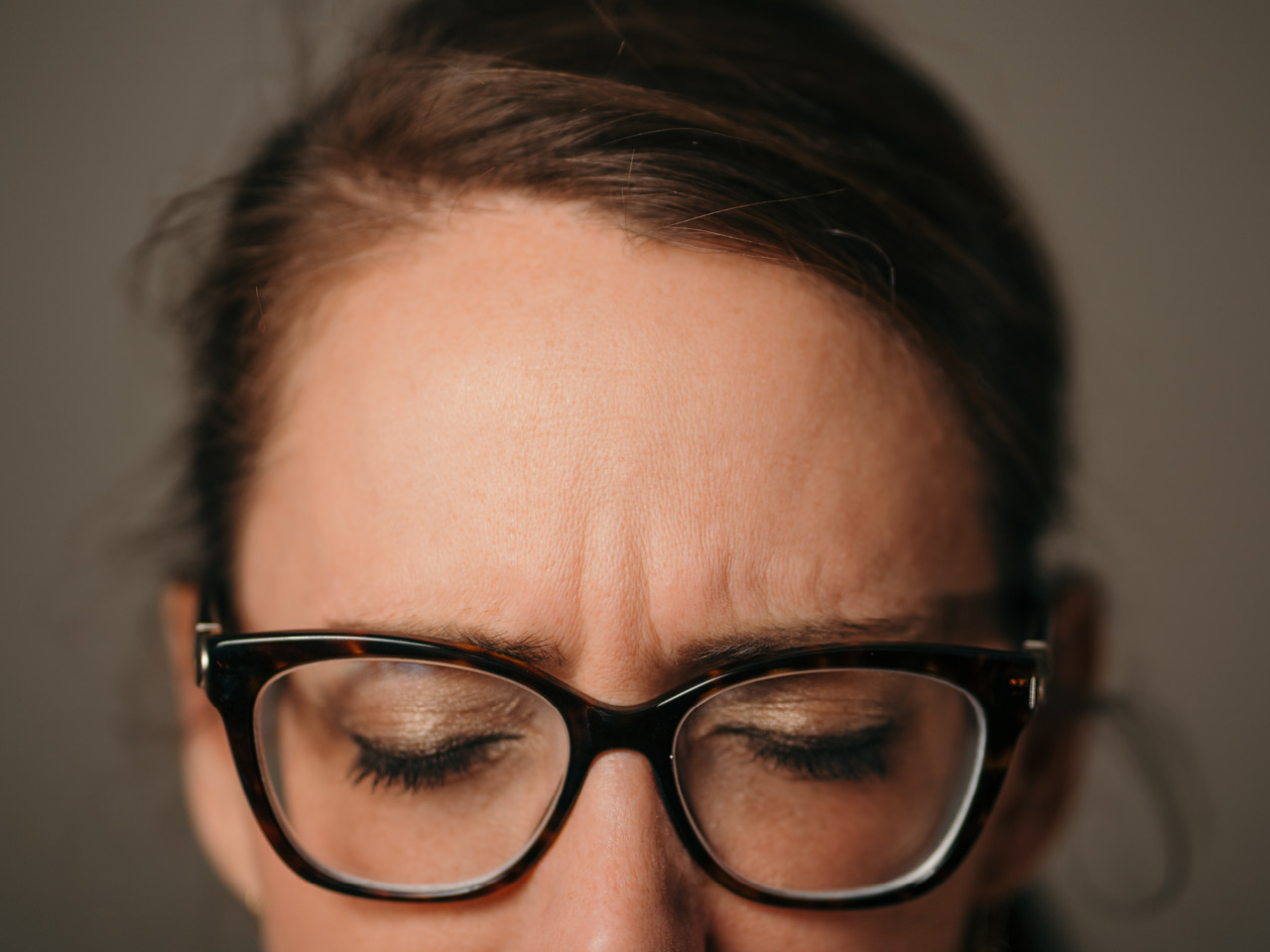
Headaches Disrupting Your Life?
You don't have to manage frequent migraines alone. A Franciscan Health provider can help identify possible triggers, evaluate your symptoms and build a treatment or prevention plan that fits your needs.
Search the site for providers, locations, and content.
When migraine pain makes it hard to work, sleep or get through your normal routine, finding relief can become a priority. Migraine symptoms can include severe headache pain, nausea and sensitivity to light or sound, but the right combination of treatment, trigger management and preventive care can help.
“A migraine is not just a headache,” said Tommasina Papa-Rugino, MD, board-certified neurologist practicing at Franciscan Health in Munster, Ind. “Everybody gets headaches. A migraine is something that's disabling enough and it is a recurrent disorder of the brain.”
Migraines can have different causes, symptoms and even different remedies. Learn more about what to look for if you experience migraines.
Migraines, a headache disorder that can cause sensory disturbances and nausea, are a common neurological disease.
“Migraines are basically an episodic disorder, which implies that it doesn't occur every day all the time,” said Dr. Papa-Rugino. “They can occur on and off and the frequency can vary. And the centerpiece of this disorder is a severe headache, which is usually associated with nausea, vomiting or light and sound sensitivity.”
Migraines usually produce symptoms that are more intense and debilitating than headaches.
Migraine symptoms include:
“One of the things with migraines is that the symptoms are so severe that any kind of light, any kind of sound bothers the patient to such an extent that they have to go back to their bedroom or lie down, eyes over the head, eyes shut, room dark, no noise and any noise can actually make it even worse,” said Dr. Papa-Rugino.
Several factors that can trigger a migraine. “It’s definitely not a one-size-fits-all,” Dr. Papa-Rugino said.
These factors vary from person to person, and they include:
Some people have found that certain foods or ingredients can trigger headaches, especially when they are combined with other triggers.
“The funny thing with triggers – and that's why we really call them with foods – is that they can be different for all different types of migraine patients,” said Dr. Papa-Rugino. “They can vary from patient to patient. A lot of the triggers do not necessarily have to be the same. But you do find that wine, caffeine and chocolate, that those always seem to be the worst ‘guilty’ triggers.”
Foods and ingredients that may trigger migraines include:
Keeping a headache or migraine diary can help you and your doctor identify migraine triggers. Include:
When symptoms start and how long they last
Foods, caffeine and alcohol
How much and quality of sleep
Any stress or unusual physical activity
Menstrual-cycle changes when relevant
Any medications used and whether they helped.
Take the information to your healthcare provider.
According to the American Migraine Foundation, migraines can be hereditary, so if one or both of your parents have it, there is a good chance you will too.
“We do find that usually in people that have migraines, there is a family history of migraines,” Dr. Papa-Rugino said. “There definitely is a genetic component and it could be from either side, dad or mom and sometimes they can even skip generations.”
Medication, diet changes, sleep and other lifestyle changes can help prevent future migraine episodes.
“We all recommend proper eating, exercise, all those things that increase the good chemicals in your brain, the chemicals that hopefully will prevent some migraine,” Dr. Papa-Rugino said. “Any exercise will increase your serotonin levels in the brain. Anything that can increase good neurotransmitters, whether it be exercise, sleep, hydration, anything of the sort, will help the brain remain healthy.”
Some people may benefit from a medication to help prevent migraines.
“Whenever these headaches begin to interfere with social activities, with work, with enjoyment of things, then it's time for us to consider something preventative,” Dr. Papa-Rugino said.
“People actually think that they have frequent sinus headaches; usually, they end up having migraines," said Dr. Papa-Rugino. “One of the things with sinus headaches is they usually get those with an active sinus infection, while migraines can come and go. And people think that they have sinus headaches when in actuality they have migraine headaches.
“If you have frequent headaches, don't think they're sinuses, because most of the time they're migraines. if they begin to interfere with your social or work activities, see a neurologist and seek medical advice.”
Consider talking with a healthcare provider if headaches are becoming more frequent, are difficult to control, interfere with work or everyday activities, or require you to take headache medicine frequently. Your provider can help determine whether your headaches are migraines and whether preventive treatment may help.
While there is no cure for migraines or for headaches, people can use medication and lifestyle changes to treat their symptoms. These include:
If you decide to try pot to relieve your migraine, new research suggests you could be asking for trouble.
In fact, marijuana use was linked to rebound headaches, which can occur when pain medication is overused, scientists noted in a study presented at the American Academy of Neurology.
Botox is only FDA-approved for chronic migraines, which means headache on 15 or more days a month.
“If you suffer from chronic headaches or migraines, you should consider Botox treatments,” said Pradeep Gnanapragasam, MD, physician with Franciscan Physician Network Physical Medicine & Rehabilitation in Lafayette. “It is beneficial to have documented frequency and intensity of headaches for provider to review.”
To treat a migraine, Botox is injected around pain fibers that are involved in headaches. Botox enters the nerve endings around where it is injected and blocks the release of chemicals involved in pain transmission.
This prevents activation of pain networks in the brain. Botox prevents migraine headaches before they start, but it does takes time to work.
“You should know it could take up to three treatments to get the maximum full effect,” said Dr. Gnanapragasam. “During the procedure, Botox will be administered to seven muscle groups. This is approximately a 15-minute procedure. The following treatment is then scheduled in 84 days. You will have a follow up appointment in two weeks after each treatment to make sure you are experiencing the full benefits of the Botox.”
It is possible to get headaches after receiving Botox.
“This was a potential side effect experienced by patients during trials,” said Dr. Gnanapragasam.
Other common side effects of Botox for migraine include:
People who get migraines only need to avoid chocolate if it triggers migraines for them, Dr. Papa-Rugino said. “Not everybody has to avoid chocolate.”
Caffeine affects people differently. Too much caffeine or suddenly stopping regular caffeine use may trigger migraines for some people.
For some people, changes in weather or barometric pressure may be associated with migraine attacks.
“I find that my migraine patients are perfect weather predictors, even better than the weatherman,”, Dr. Papa-Rugino said. “Changes in barometric pressure can lead to migraines. So they can predict storms or rain.”
Some people who have migraines may benefit from magnesium, but talk with your healthcare provider before beginning a supplement.


Physical Medicine & Rehabilitation
Accepting new patients
Franciscan Physician Network


Neurology
Accepting new patients
Franciscan Physician Network