Request An Appointment
Don't wait, prioritize your health. Find the right Franciscan Health doctor for your needs, and request an appointment today.
Search the site for providers, locations, and content.
Do you know the warning signs of oral cancer? Some oral cancer symptoms are common and easily identifiable. Other symptoms are surprising, and you might miss them.
Approximately 59,660 Americans will be diagnosed with oral or oropharyngeal cancer in 2025, according to the American Cancer Society. Nearly 60 percent will be alive five years later. These startling statistics tell a warning tale, but there is some good news, too. If caught early, oral cancer is highly treatable.
Learn the early signs of oral cancer and steps you can take to help prevent oral cancer.
According to the American Dental Association, the term "oral cancer" encompasses throat, mouth, tongue and jaw cancer. These cancers commonly occur in the tongue, tonsils and oropharynx (the throat area behind the mouth), gums and other areas of the mouth.
Oral cancer can develop in the lips, gums, and tongue, as well as the lining of the cheeks and the floor and roof of the mouth.
Some oral cancer symptoms are common and easily identifiable. Other symptoms are surprising, and you might miss them.
Call your dentist or doctor right away if you notice any of the following:
Less common signs of oral cancer include:
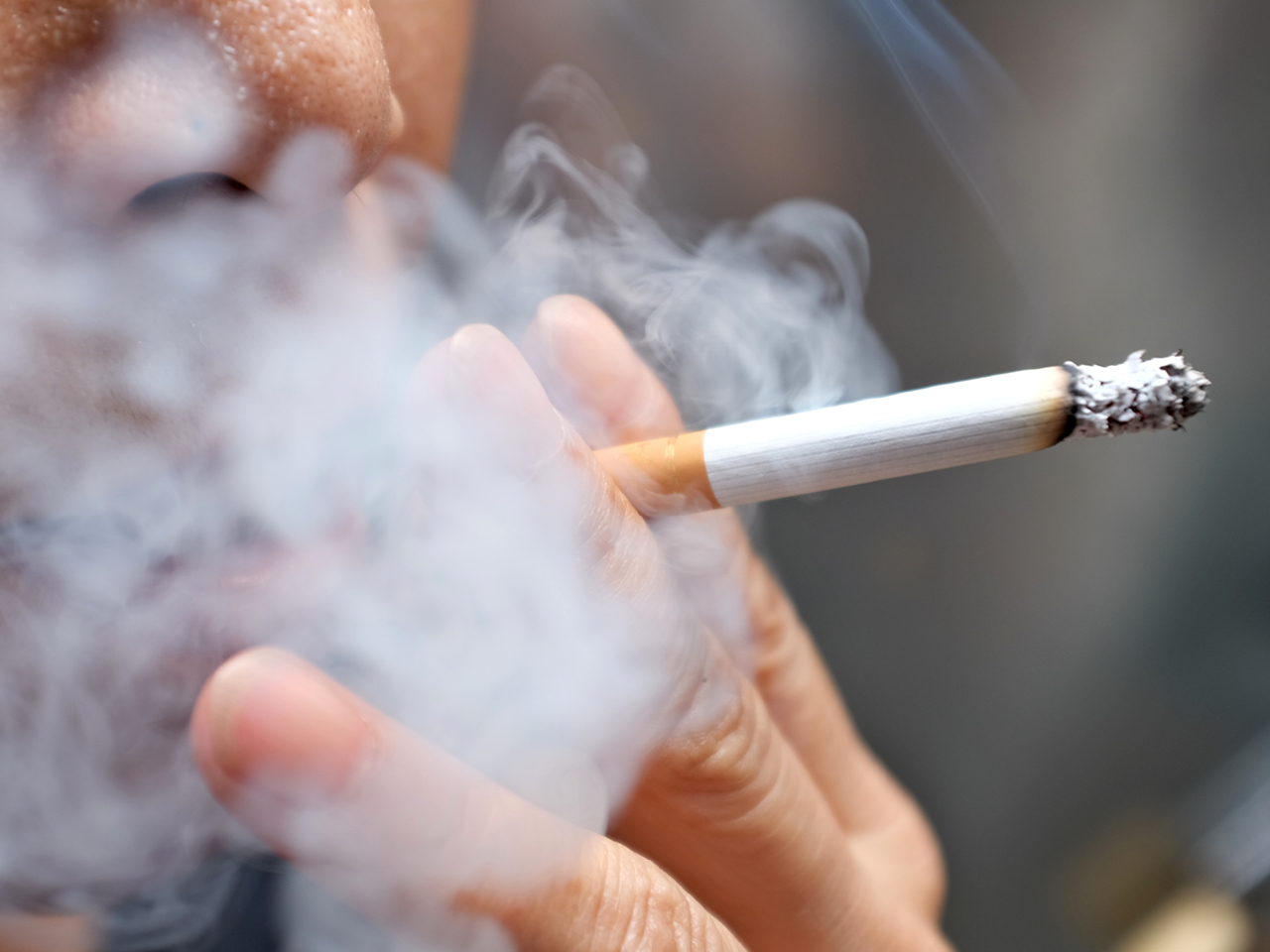
The best thing you can do to help prevent oral cancer is to avoid tobacco in all forms. Tobacco is to blame for 90 percent of all oral cancers. Whether you use cigarettes, pipes, cigars, "herbal" cigarettes, snuff, or chewing tobacco, you're at increased risk for oral cancer just by using tobacco.
If you smoke and drink a lot of alcohol, your risk jumps even higher. Heavy alcohol use by itself increases the risk of oral cancer, but when paired with smoking it packs a double whammy. The Oral Cancer Foundation states that people who use both alcohol and tobacco are at an increased risk of developing the disease. Alcohol abuse is the second-largest risk factor for developing oral cancer. The National Institute on Alcohol Abuse and Alcoholism> defines heavy alcohol use as men drinking more than 4 drinks on any day or more than 14 drinks/week and women drinking more than 3 drinks on any day or more than 7 drinks/week. If you stop smoking and cut way back on your alcohol consumption, you've greatly reduced your risk of oral cancer.
Cancer of the lips can result from too much sun exposure. If you're going to be out in the sun, use a lip balm with sunscreen and wear a hat.
Some types of the human papillomavirus (HPV) can infect the mouth and throat. These viruses are passed through sexual contact or kissing. HPV infection is linked to cancer at the base of the tongue, the back of the throat, in the tonsils, and in the soft palate. There is a vaccine available for individuals that the American Cancer Society says can prevent infection with the types of HPV linked to some HPV-related cancers.
Eating a balanced diet is important as well. Some studies say your risk of developing oral cancer increases if your daily meal plan doesn't include plenty of fruit and vegetables.
Oral cancer isn't common, but it is serious. Arm yourself with the warning signs, have regular checkups, avoid tobacco and other risk factors, and you have an excellent chance of avoiding oral cancer altogether.
