Should I Worry About Ovarian Cysts?
Key Takeaways: Ovarian Cysts
- Most ovarian cysts are normal and harmless. Cyst formation is a routine part of monthly menstruation, and most cysts naturally breaks down on their own.
- Some cysts don't resolve and need attention. When functional cysts don't break down as expected, or when "pathological cysts" (like endometriomas, cystadenomas or dermoid cysts) develop, they can cause pain or discomfort and, in some cases, signal an increased risk of ovarian cancer.
- See a doctor for symptoms like abnormal vaginal bleeding, abdominal bloating or pressure, increased urinary frequency, pelvic pain, painful bowel movements or painful intercourse — with extra urgency for postmenopausal women or those with a family history of ovarian or other cancers.
- Diagnosis and treatment are personalized. A gynecologist can use ultrasound results and blood tests to determine cyst type and size, then recommend options ranging from monitoring and pain management to hormone-adjusting medication or surgical removal — making regular gynecologic visits key to catching problems early.
Women routinely develop ovarian cysts. In fact, cyst formation is part of monthly menstruation. These fluid-filled pouches are rarely cause for concern.
However, some women develop irregular cysts that require medical attention. So, when should you worry about ovarian cysts?
Answering that question requires understanding how the ovaries work, said board-certified women’s health nurse practitioner, said Dominic Schaut, DO, an OBGYN with Franciscan Physician Network Obstetrics & Gynecology Lafayette.
Are Ovarian Cysts Normal?
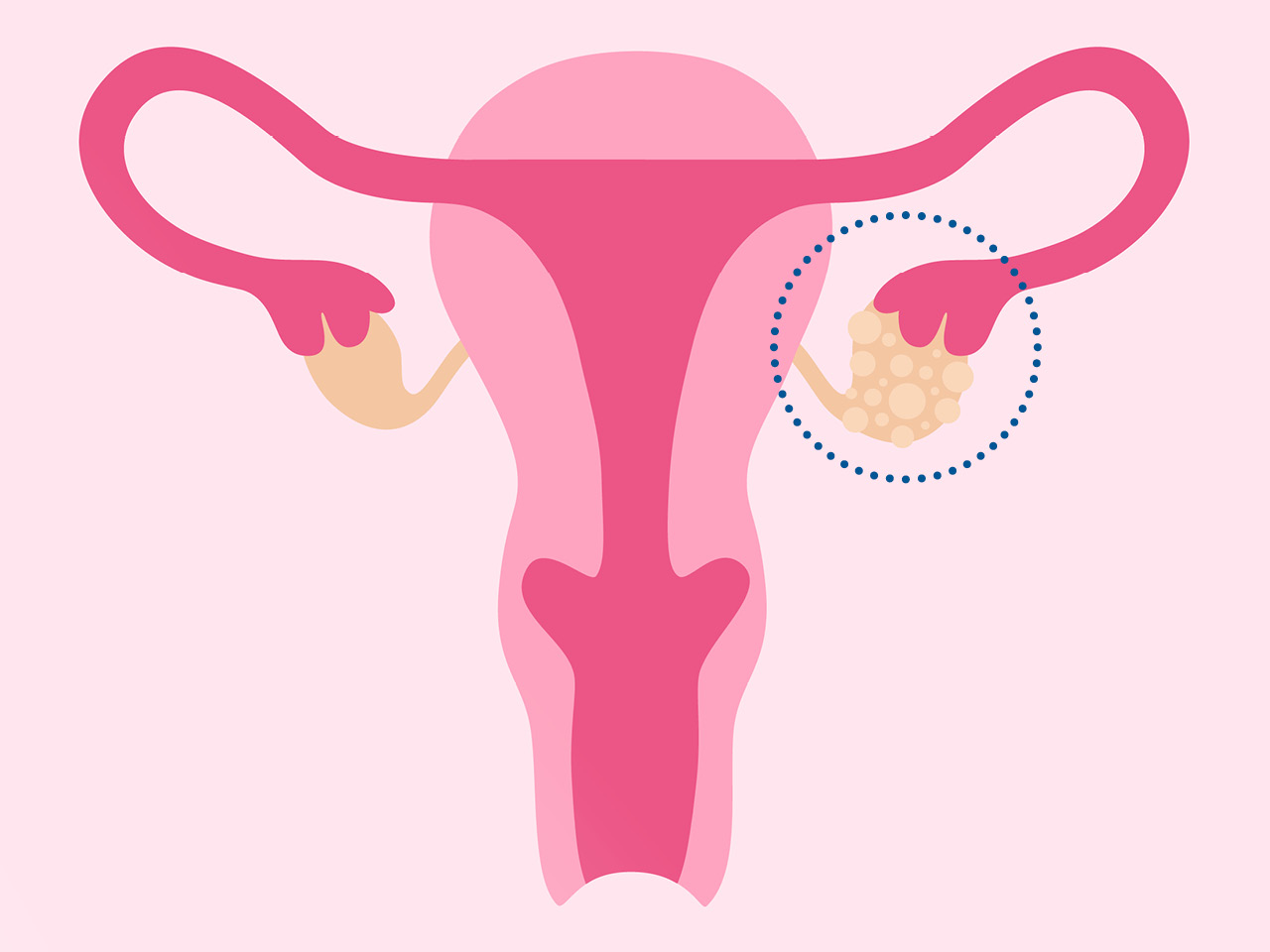
A cyst is a collection of tissue that is growing or has the capacity to grow over time and eventually cause symptoms. Properly functioning ovaries will produce a normal cyst each month. This type of cyst, called a functional cyst, holds and then releases the egg. Once the egg is released, the body naturally breaks down the functional cyst. Ovarian cysts are often benign (non-cancerous) and go away within a few months. They rarely indicate any underlying health problems.
“Sometimes, however, functional cysts don’t break down like they’re supposed to,” Dr. Schaut said.
When Are Ovarian Cysts Not Normal?
Other types of cysts can develop within the ovaries. These types of cysts, called “pathological cysts,” can occur without a known cause. Common types of pathological cysts include endometriomas, cystadenomas and dermoid cysts. Pathological cysts can cause pain or discomfort and can also signal an increased risk of ovarian cancer.
Dr. Schaut said regular pelvic exams by a gynecologist can effectively spot problematic cysts and help prevent an issue in the future. Rarely, ovarian cysts can be cancerous.
Talk To Doctor About These Ovarian Cyst Symptoms
In some cases, ovarian cysts can affect your health or quality of life. For example, a large cyst may put uncomfortable pressure on the lower abdomen. Sharp pain or internal bleeding can happen if the cyst on the ovary breaks open.
To prevent future complications from an ovarian cyst, talk to your doctor if you experience possible symptoms of an ovarian cyst, such as:
- Abnormal vaginal bleeding
- Bloating or pressure in the abdomen
- Increased urinary frequency
- Pain in the lower abdomen or pelvis
- Painful bowel movements
- Painful intercourse
Who’s Most At Risk For Ovarian Cysts
Several factors can increase your risk for developing ovarian cysts. These include:
- Endocrine disorders
- Hormonal imbalances
- Pregnancy
- Previous surgeries, such as a cesarean section
Women with a family history of ovarian cancer or those diagnosed with other cancers (such as breast or colon cancer) should seek medical attention immediately if they experience ovarian cyst symptoms or unexplained health changes.
Postmenopausal women who experience any symptoms related to ovarian cysts should also seek medical attention because they have a higher risk for developing ovarian cancer.
On the other hand, women who use oral birth control or have undergone a hysterectomy have a lower risk for developing ovarian cysts.
Ovarian Cyst Treatment
If you have an ovarian cyst, your gynecologist may use imaging or blood tests to determine the type and size and recommend the appropriate treatment.
“Your gynecology team is the best person to turn to for ovarian cyst diagnosis and treatment,” Dr. Schaut said. “They’ll conduct a physical exam and have access to tools, like ultrasound and blood tests, to determine the best next steps for care.”
Treatment options your gynecologist or nurse practitioner may suggest include:
- Medications to adjust hormones that could be contributing to cyst formation
- Monitoring the cyst to see if it decreases in size or goes away on its own, also called watchful waiting
- Pain management through over-the-counter pain relievers or other medications
- Surgical removal of large cysts or ovarian cysts causing significant discomfort
The Bottom Line: Visit A Gynecologist To Stay Worry-Free
If you have questions or concerns about ovarian cysts, talk to your gynecologist or nurse practitioner
“There’s value in regular well-women visits,” Dr. Schaut said. “Having an expert look at your family history and your health history can help you maintain your overall gynecologic health.”
Frequently Asked Questions: Ovarian Cysts
“Ovaries are important organs in a woman’s body,” Dr. Schaut said. “They make estrogen and progesterone — hormones critical for development and reproduction.”
Many ovarian cysts have no symptoms but are found during a pelvic exam or routine imaging.
Rarely, ovarian cysts can be cancerous, requiring prompt medical attention.

Featured Providers

DOMINIC SCHAUT, DO
Accepting new patients
Offers virtual visits
Franciscan Physician Network
