
Request An Appointment
Don't wait, prioritize your health. Find the right Franciscan Health doctor for your needs, and request an appointment today.
Search the site for providers, locations, and content.
Leg pain or a wound that won’t heal may seem like a small problem, but it can be a warning sign of something much more serious.
Peripheral arterial disease (PAD) affects millions of adults. If untreated, PAD can lead to amputation, stroke, heart attack or even death. At Franciscan Health, the new Limb Preservation Program brings together experts in vascular surgery, wound care, podiatry and heart care to protect patients from these life-changing outcomes.
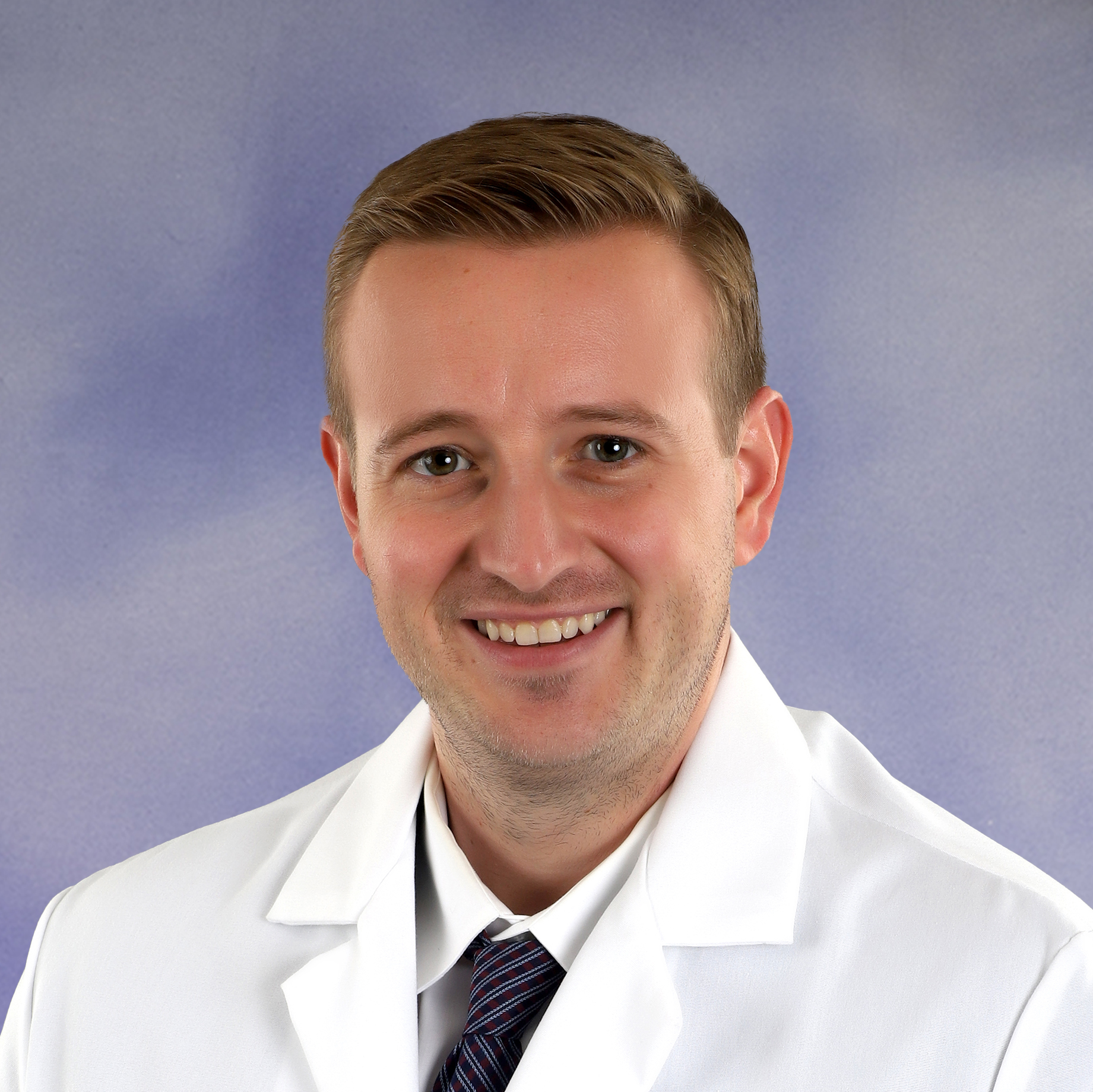
“PAD leads to a lot of amputations here in Indiana,” explained Adam Hicks, MD, vascular surgeon at Franciscan Physician Network in Indianapolis. “Our mission is to help stop that from happening. The sooner we see someone with a foot wound, the better their chances. Untreated wounds can get out of control quickly. By the time blood flow is restored, it may be too late to save the limb.”
PAD is more common than many realize. According to the American Heart Association, between 10 and 12 million adults in the U.S. have peripheral artery disease. Older adults, people with uncontrolled diabetes or end-stage kidney disease, or those who use tobacco are at especially high risk.
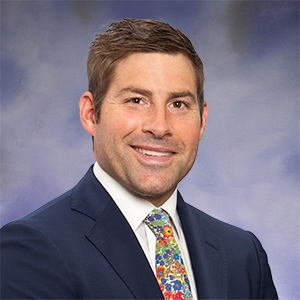
“The idea is to get to these patients before we’re at that point,” said Patrick Albert, MD, vascular and general surgeon at Franciscan Physician Network in Michigan City, Ind. “Ideally, we want to start managing them early in their symptoms. When someone has leg pain and leg circulation problems while walking, it can be a sign of blocked arteries. If that person then develops a wound that doesn’t heal, it means blood flow is very poor and the risk of losing the limb is extremely high.”
For many patients, the first place to turn is the Franciscan Health Wound Care Institute, where people with wounds that won’t heal have been receiving care for more than 25 years. There, specialists can determine if a patient’s wound is due to circulation problems. When blood flow is strong, patients can usually work with a podiatrist for follow-up care. But if circulation is weak, they are quickly referred to the wound vascular clinic for advanced tests and treatment.
“If a patient has a wound that isn’t getting better, we want primary care doctors to refer them to us right away,” said Monica Joyner, MD, plastic and reconstructive surgeon and director of the Wound Care Institute. “When we see signs of poor circulation, we quickly refer patients to a surgeon and arrange additional testing, like a CT angiogram, to learn more.”
If a patient has an emergency, such as leg circulation problems even while resting or tissue starting to break down, we launch a limb preservation protocol immediately. This means vascular surgery, wound care and podiatry work together under one roof to provide urgent treatment.
Some patients with severe PAD or stubborn wounds may need treatments to open blocked arteries and improve circulation. These treatments can include:
“We’re the best hope for these patients. We offer access to all endovascular therapies, open surgery, comprehensive wound care and podiatry,” Dr. Albert said.
PAD is serious, but it is treatable — especially when caught early. If you have risk factors like diabetes, smoking or kidney disease, or if you notice symptoms such as leg pain, numbness or wounds that do not heal, don’t wait to get medical care.
Learn more about how Franciscan Health’s Limb Preservation Program can help prevent amputation and save lives. You can also explore vascular surgery services and the Wound Care Institute to connect with expert teams close to home.

Vascular Surgery +1 more
Accepting new patients
Franciscan Physician Network

Vascular Surgery +1 more
Accepting new patients
Franciscan Physician Network

Plastic Surgery
Accepting new patients
Franciscan Physician Network