Request An Appointment
Don't wait, prioritize your health. Find the right Franciscan Health doctor for your needs, and request an appointment today.
Search the site for providers, locations, and content.
The postpartum period, often called the “fourth trimester,” is a time of significant physical recovery and emotional adjustment. Whether you had a vaginal delivery or Cesarean section, your body has undergone major physiological change.
“As an OB/GYN, I encourage patients to prepare for postpartum recovery with the same intention they bring to birth planning,” said Eva Welch, MD, OB/GYN at Franciscan Mooresville.
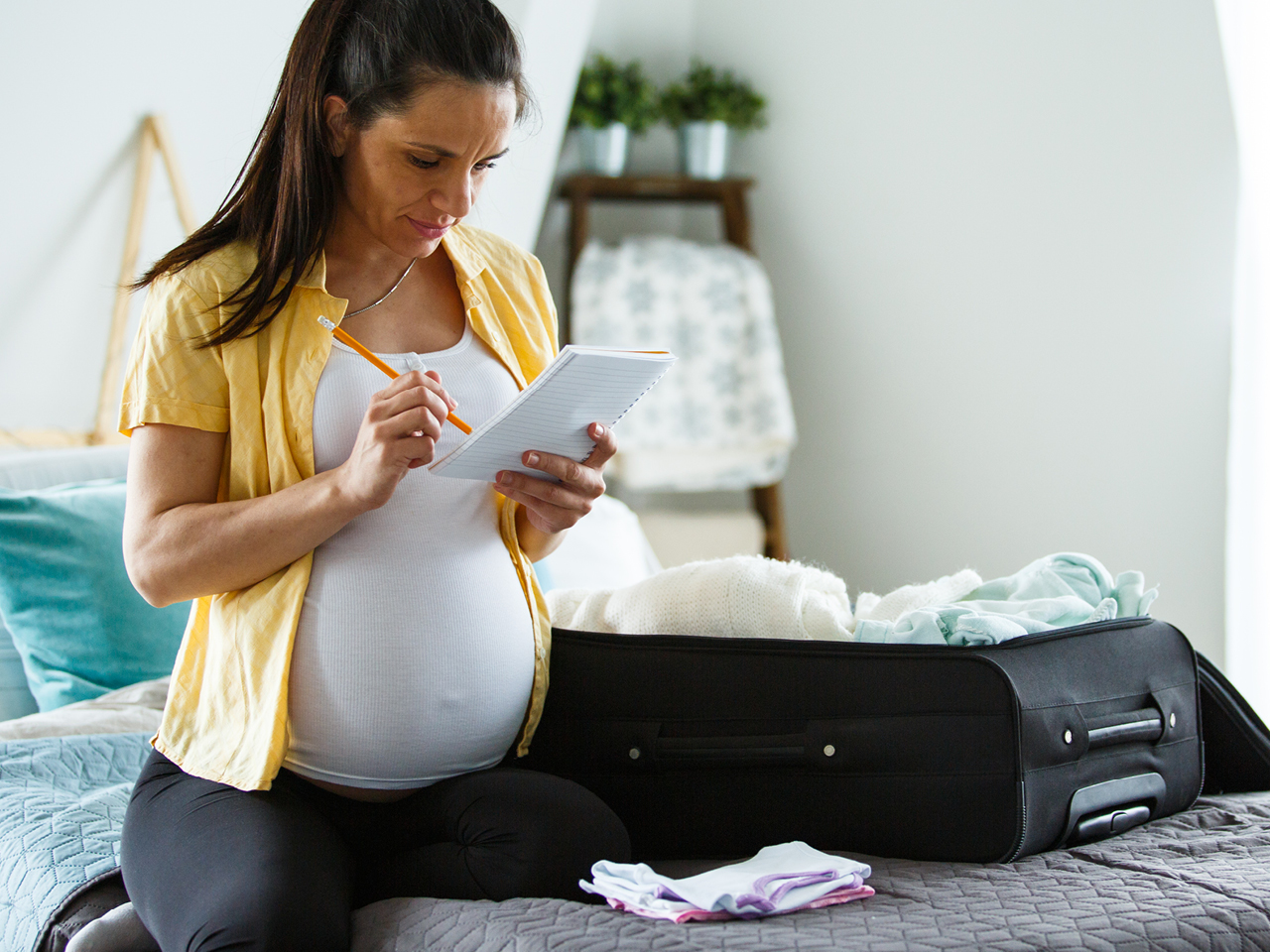
A well-stocked postpartum recovery kit can ease discomfort and help moms heal after delivery. From mesh underwear to snacks and hydration, here's what you'll need in the days and weeks after childbirth.
Hospitals like Franciscan Health provide many of the essentials for recovery after childbirth.
At home, moms should stock up on these essentials:
After delivery, your body begins a complex healing process that includes uterine involution as the uterus returns to its pre-pregnancy size, recovery from vaginal or surgical trauma, significant hormonal shifts and adjustments from blood loss and fluid changes.
Learn more about physical recovery in our blog on physical therapy support during pregnancy and postpartum.
Postpartum recovery is metabolically demanding, and your body requires additional support to heal and maintain energy levels.
Dr. Welch recommends:
Keep practical foods nearby:
Many patients underestimate how helpful it is to have easy, one-handed snacks during nighttime feeds.
“Set up a small basket of healthy snacks and drinks that you can easily access,” Dr. Welch recommends, “That way while baby feeds, you can also get some calories in.”
Comfort is key during postpartum recovery. These items can make those early weeks easier:
“From a medical perspective, rest is not optional – it is a key part of the healing process,” Dr. Welch says.
Postpartum recovery is also emotionally demanding,
Normal postpartum can include mood swings and tearfulness “baby blues.”
Concerning symptoms include:
If any of these concerning symptoms last more than 2 weeks or feel severe, please reach out to your OB/GYN. Recognition of postpartum depression or anxiety is very important and highly treatable.
Partners and family members can help gather and organize supplies to make the transition at home as seamless as possible. For emotional support during recovery, explore our blog on baby blues vs. postpartum depression.
After childbirth, it’s common to wonder what symptoms are part of normal recovery and what may signal a concern.
While some discomfort is expected, certain signs should never be ignored.
Contact your OB/GYN right away if you experience heavy bleeding, such as soaking through a pad in less than one hour, a fever of 100.4°F or higher, or severe abdominal or pelvic pain.
You should also seek care if you notice foul-smelling discharge from the vagina or a surgical incision, chest pain or shortness of breath, or a severe headache accompanied by vision changes.
According to Dr. Welch these symptoms are not considered routine during postpartum recovery and require prompt medical evaluation to ensure your safety and well-being.
“You don’t need a perfect postpartum experience, but you do need support, preparation, and realistic expectations,” said Dr. Welch.
A well-stocked recovery kit isn’t about convenience, its about protecting your healing, preserving your energy, allowing you to focus on yourself and your new addition
Taking care of yourself in this period is as important as caring for your baby


Obstetrics & Gynecology +1 more
Accepting new patients
Franciscan Physician Network
