Request An Appointment
Don't wait, prioritize your health. Find the right Franciscan Health doctor for your needs, and request an appointment today.
Search the site for providers, locations, and content.
Plantar fasciitis is a common condition that can affect anyone, not just athletes. It causes heel pain. This pain comes from an inflamed plantar fascia, the thick band of tissue that connects your heel to the front of your foot. The condition isn’t just annoying and painful. It can get in the way of your normal daily activities, making it harder to walk or stand without pain.
That’s why it helps to know what plantar fasciitis is and how to prevent it. Frederick Diel, DPM, a podiatrist with Franciscan Health Physician Network in Munster, describes plantar fasciitis as “one of the most common causes of heel pain.” And it’s not just a sports injury. Plantar fasciitis can occur from everyday activities or new high-impact activities that strain the heel and surrounding tissues.
“For instance, it can happen if you start training for a 5K or begin a new running routine – anything that causes impact or strain on the heel,” Dr. Diel said.
When you have plantar fasciitis, you might notice a sharp and intense pain in the arch of your foot. This discomfort can sneak up on you gradually.
“The pain associated with plantar fasciitis may get worse in the early morning hours,” Dr. Diel said, “and then as your foot and heel loosen up throughout the day, the pain might reduce. But usually, you’ll still feel tightness in the back of the heel.”
Plantar fasciitis pain isn’t constant — it can come and go. Sometimes, the pain is sharp, particularly when you wake up or stand up after sitting for a long time. Although your heel pain may lessen as you move more, that initial pain can be quite severe.
Everyday activities can make the symptoms worse. Dr. Diel said that everyday activities, like walking, running or standing, could add extra stress to the inflamed plantar fascia. This ongoing stress aggravates the pain and can slow how you recover and prolong the impact on your daily life.
Dr. Diel said you can get plantar fasciitis from activity you do more often than usual, whether you’re an athlete or not. Even less strenuous activities can cause plantar fasciitis, especially if they are unusual or increased suddenly. A vacation where you walk more than usual or an afternoon helping someone move heavy items are common triggers.
Other factors increase your risk for plantar fasciitis.
Plantar fasciitis can develop without a clear cause. Biomechanics (how you move) and lifestyle choices (activity levels) may also contribute to the condition. These factors add to the stress placed on the plantar fascia and can potentially lead to inflammation and pain.
It’s important to listen to your body and adjust your activities so you don’t overstress your feet. Dr. Diel said you can reduce plantar fasciitis pain when you avoid this extra stress. Here are several practical tips to help you avoid plantar fasciitis:
To manage plantar fasciitis at home, Dr. Diel suggested to start with a regular assessment and update to your footwear.
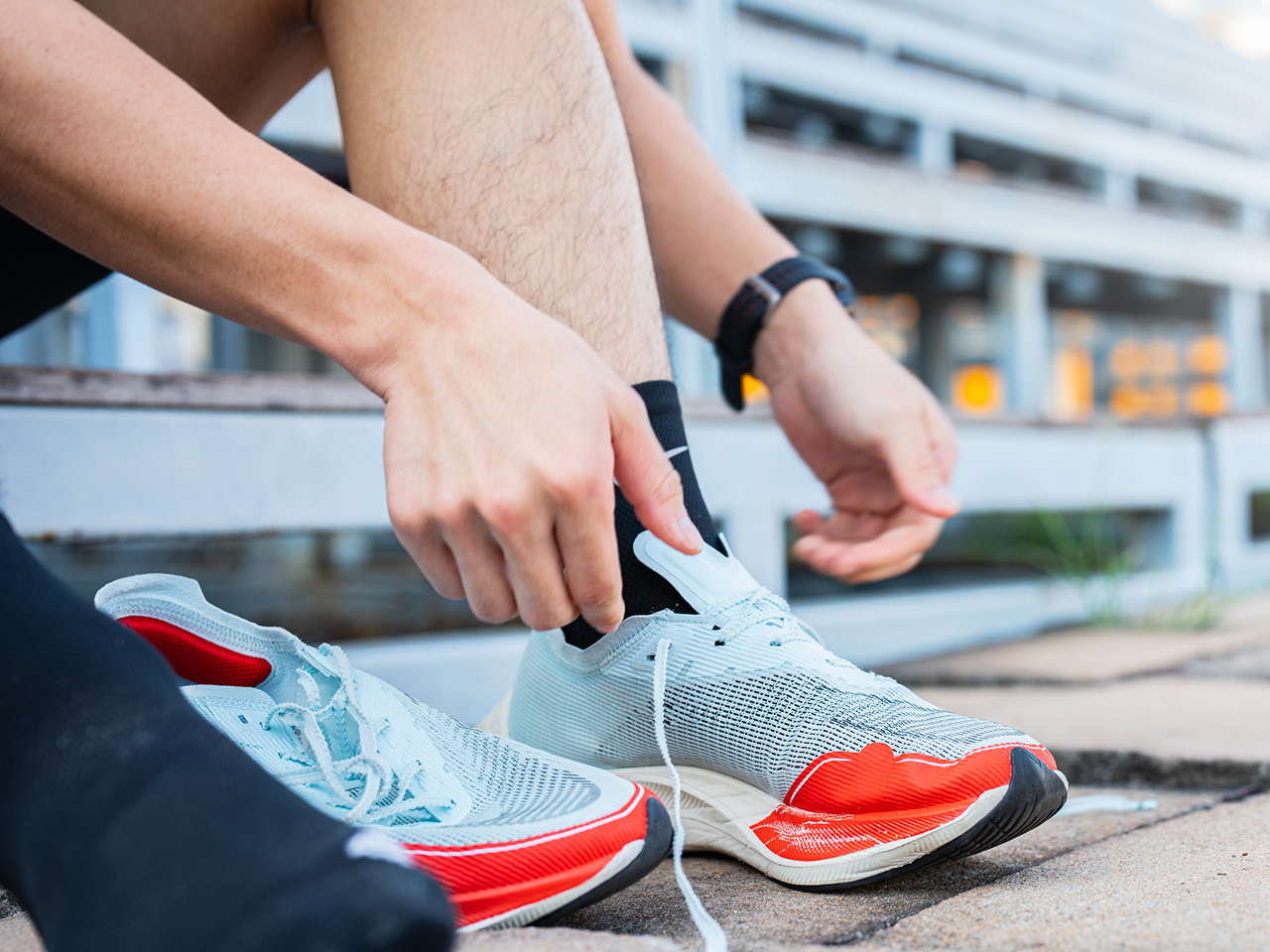
“Check your shoes for wear and tear. We usually recommend about every three to six months,” he said.
The more you’re on your feet during the day, the more your shoes will wear down. It’s important to ensure that you haven’t worn down your shoes unevenly and that the soles are still in good condition.
“Active runners or joggers should replace their shoes frequently to reduce the risk for plantar fasciitis,” he said.
In addition to wearing proper footwear, Dr. Diel advised the following tips:
In cases where plantar fasciitis symptoms are severe and you don’t find relief with home remedies, several medical interventions may help with pain and prevent it from coming back.
Taping the foot or temporary immobilization using medical boots can be helpful in cases of acute flare-ups. This method limits movement and allows the area to rest and heal.
For those with specific foot shapes that can make plantar fasciitis worse, doctors may recommend custom orthotics. These devices conform to your specific foot. You place them inside your shoe to support your foot’s natural shape. They can help reduce pressure points and distribute weight evenly across the foot.
For intense and stubborn plantar fasciitis pain, providers can give a cortisone injection directly into the plantar fascia. These injections provide quick relief from inflammation, similar to treatments used for knee joint issues.
Dr. Diel said physical therapy is crucial to treat plantar fasciitis. Therapists use techniques beyond simple stretches, such as deep tissue massage and exercises to strengthen the lower leg muscles and help stabilize the ankle and heel.
While surgery is rare and typically considered a last resort for treating plantar fasciitis, it may be necessary for chronic and unresponsive cases. A surgeon will release part of the plantar fascia from the heel bone to relieve tension and reduce inflammation.
If your heel pain continues despite home treatments or it starts to affect your daily life, it’s essential to talk to your provider. “Don’t wait until the pain is excruciating,” advised Dr. Diel. “Early intervention can prevent the condition from worsening.”
Plantar fasciitis doesn’t have to limit your life. With proper guidance and care, you can manage this common foot condition. To take significant steps toward relief and recovery, recognize early symptoms, understand the causes, and explore home and medical treatments.
“One of the biggest things you can do at home to avoid this is stretching,” Dr. Diel said. “This comes from when that band of tissue gets very tight and the tighter it is, the more pain you have. So if you can do calf stretches, any stretching before exercising and just avoid impact or going barefoot. If you've tried the stretching at home, icing is another one that you can try, freezing a water bottle and rolling that in your arch.”
“High-impact exercises as far as like running, jogging, any impact aerobics, that can add to it,” Dr. Diel said. “People that just work on their feet an awful lot and are on their feet all day, that'll also contribute to it.”
“Any type of anti-inflammatory, as long as you can tolerate it, like Advil, Aleve,” Dr. Diel said. “Icing is a very good technique. Freezing a water bottle and rolling it back and forth in your arch, like two to three times a day for probably, you know, five to ten minutes will definitely help because ice is a natural anti-inflammatory. Avoiding going barefoot is a big one. Anything that you can get into a gym shoe with an arch support will help take a lot of pressure off of that. But usually, Advil and Aleve are the two go-tos for anti-inflammatories.”
“The biggest thing there is stretching,” Dr. Diel said. “You can continue to do activities. Avoid any impact activities. So, hold off on any running or jogging or jumping in the meantime. You can do anything water-based, swimming, water aerobics, anything bike, elliptical, where you're not going to have impact on the heel. Also stretching, stretch before you work out and stretch after you work out so you can really keep that loose and that'll help reduce the pain."
“Definitely try to avoid going barefoot,” Dr. Diel said. “Try to wear comfortable gym shoes, something with a good arch support in it.”
“The main reason is because there's no real way to stay off of our feet,” Dr. Diel said. “So once that plantar fascia gets irritated and inflamed, you have to walk on it. So, you constantly are repetitively irritating it just by walking and just by day-to-day activity. So, that's why the stretching is important, and any chance you can to take any sort of pressure off of that fascia is recommended.”
“Short answer, it can return,” Dr. Diel said. “Usually, most people will develop routines where they'll stretch. Ultimately, what it comes down to is the more stretched you can keep this ligament, the less it will flare up and the less pain you'll have. A lot of people will change the type of shoes they're wearing. They'll switch their shoes out more often. They'll wear better arch supports and what basically caused their pain in the beginning, they'll stop doing that. It's a lifestyle change.”


Podiatrist +1 more
Accepting new patients
Franciscan Physician Network
