Request An Appointment
Don't wait, prioritize your health. Find the right Franciscan Health doctor for your needs, and request an appointment today.
Search the site for providers, locations, and content.
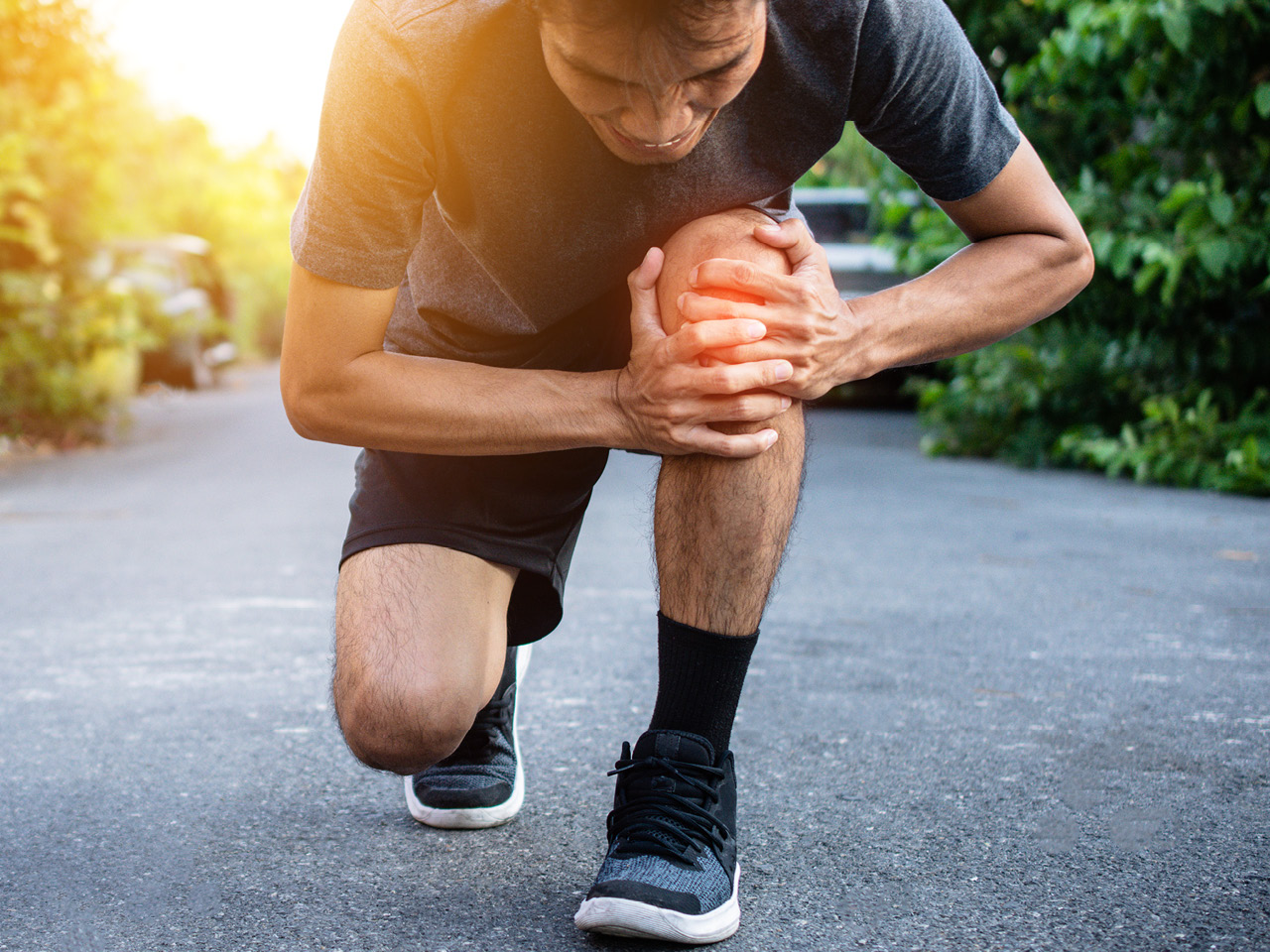
Whether you’re new to running or you’ve been hitting the open road for years, runner’s knee can quickly derail an athlete’s plans. Knowing how to prevent knee pain while running can keep you on track with your race training plans.
Runner's knee, or patellofemoral pain syndrome, is dull pain around or under the kneecap. It's typically a sign of overuse.
Runner’s knee typically occurs in two types of patients:
Weight can play a key role in an injury like runner’s knee. The more excess weight you have, the more stress it puts on your body – especially your joints. Losing just a few pounds can positively impact your overall fitness goals and help prevent knee pain while running.
If you want to run to lose weight, but your knees bother you, consider starting a cross-training program to ease into running safely, Matthew Rachwalski, DO, sports medicine physician at Franciscan Health Michigan City, said.
“Get on the elliptical, a stationary bike, or hop in the lap pool,” Dr. Rachwalski said. “Also evaluate your running surfaces. A cushy track can be much easier on your knees than a concrete road.”
“Runner’s knee starts with pain during your run or right after your run,” Dr. Rachwalski said. “The pain can progressively get worse and even start to bother you while you’re at rest.”
It can be tricky to know when your knee pain is temporary – or when it’s an indicator of a more significant problem. If you’re a runner experiencing escalating knee pain, your symptoms might include:
To reduce inflammation and pain, Dr. Rachwalski recommends first trying over-the-counter medicines like Tylenol or ibuprofen. If your knee pain still lingers after a week or two, schedule an appointment with a sports medicine physician or orthopedic physician.
“Goal-oriented treatment is always our first step when meeting with patients,” Dr. Rachwalski said. “We talk about if you’re training for a specific event, what distance and mileage you’re trying to hit, and what your goals are at this point.”
Each patient has a specific treatment plan designed to fit their fitness needs. This plan typically includes activity modification, physical therapy, and medications as needed. If the patient is still in pain, a cortisone injection – a steroid shot to the affected area in the knee – is also an option.
“The most important thing about running is to know your abilities and limits,” Dr. Rachwalski said. “If you want to run a 10K, lose weight and become more active, your level of training will not automatically start at the same place as someone running their tenth marathon.”
To avoid runner’s knee and other running-related injuries, consider these tips from Dr. Rachwalski:
Whether you’re looking to cut down on your mile time or complete a mile without stopping, Dr. Rachwalski said it’s important to start slow and build up your endurance so that you can prevent knee pain while running. Pushing your body too hard is the fastest way to be sidelined with an injury like runner's knee.
Whether you’re training for a marathon or interested in adding running to your workout routine, schedule an appointment today with the Franciscan Health Sports Medicine team to ensure you’re taking the best possible care of your joints and reducing runner’s knee injuries.
If you are experiencing a constant ache or pain during or after your run, it could be due to your running form and certain muscular weaknesses and imbalances. A running evaluation through Franciscan Health sports medicine can make sure you have good running form and core stability to keep you running your best and injury-free.
Sports physical therapists are closely involved in the care and well-being of runners and other athletes, whether you're recreational or professional. This area encompasses athletic injury management through the acute assessment of injuries, the treatment necessary for healing, and progressive return to running and other sports, while educating the athlete for prevention of further injury.

Sports Medicine
Accepting new patients
Franciscan Physician Network
