Request An Appointment
Don't wait, prioritize your health. Find the right Franciscan Health doctor for your needs, and request an appointment today.
Search the site for providers, locations, and content.
People are planting vegetables, flowers, and working on those much needed landscaping projects in record numbers. Whether it be growing tomatoes, planting flowers, or mowing and mulching, taking care of one's hands is a must.
Take a dig at some great seeds of knowledge on taking care of those hands when working in the yard and garden. The American Society of Hand Therapists and National Institute of Occupational Safety and Health recommend these tips to safely garden.
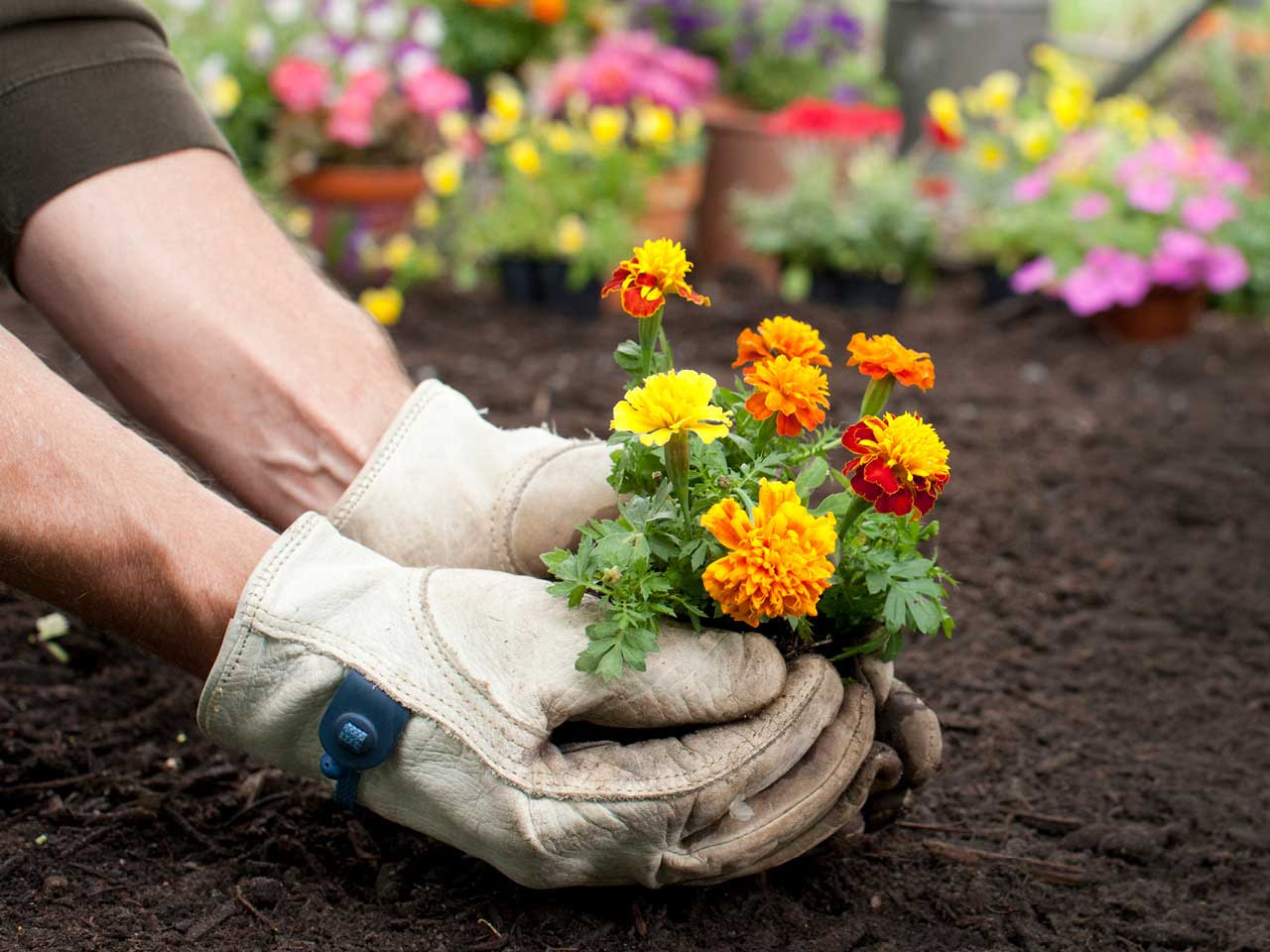
Bacteria and fungus live in the soil, and a small irritation or cut can develop into a major hand infection. Thick, leather gloves may protect your hands from thorns, cuts and scrapes. In addition, keep your first-aid kit well-stocked, and be sure to wash your hands before eating and when done working for the day.
Sunscreen, long sleeves, and a hat are your primary weapons against the sun, but covering your skin adds additional protection from potential irritants, insects and animals in your garden. Be especially careful if you live in an area where you may disturb a snake, spider, or rodent living in your garden. You will be better protected from poison ivy, insect bites, and other common skin irritants that may inhabit a garden.
Take breaks to rest or switch to another activity. Overuse of repetitive motion such as digging, can cause tendinitis of the elbow or lead to carpal tunnel syndrome. Rotate your tasks to give different muscle groups a rest, switching positions at least every 15 minutes. Break large tasks into short sessions, with stretching breaks between gardening sessions. Know your physical limitations and when you should ask for help or use a wagon or cart.
Buried sharp objects can cause tendon lacerations or punctures. Use the correct tool for the task at hand in order to avoid injury. And be sure to call 811 a few days before you dig to avoid accidentally hitting a utility line.
Learn how to use and store your tools correctly to prevent accidents, keep sharp tools out of reach of children at all times. Also, make sure to put all tools away after use to prevent future injuries.
Use tools with thicker handles to protect the smaller joints in your hands.
Working with your wrist in a more neutral or straight position will help prevent injuries in the wrist and forearm.
Use a basket or large container to carry supplies to the garden. The basket should be carried with both hands to distribute the workload equally and decrease stress in the joints of your upper body.
like lifting a bag of potting soil and alternate hands on more repetitive tasks like scooping dirt out of the bag into a pot. Sustained grip and repetitive motions can cause pain and lead to tendinitis.
Stretch before you start work in your garden. Backs, shoulders, arms, and hands get the brunt of the abuse from tilling the soil all day. A good routine of stretching exercises before you begin will help to get your muscles ready and prevent serious injury.
Bending the knees this far is not only a hard position for the knee joint but also it requires you to push most of your body weight up with your hands and wrist, placing increased pressure on these joints as well. Instead, use a short gardening stool or bench.
