Request An Appointment
Don't wait, prioritize your health. Find the right Franciscan Health doctor for your needs, and request an appointment today.
Search the site for providers, locations, and content.
It's an unfortunate fact: It takes time to bounce back from a serious surgery, illness or injury. Often, more time than we'd like.
You recover in the hospital for a while. But even when you're ready for discharge, you may not be ready to go home. You might need to rebuild your strength or learn new ways to do things safely. Or you might still require some medical treatment.
That's when doctors transition you to another type of care. It could be hospital-based inpatient rehabilitation, a stand-alone rehab center or a skilled nursing facility (SNF).
Social workers or case managers work with you and your family to determine the best care setting. But you may find it helpful to learn about post-hospital options before the need arises.
No matter where you go for rehab, the goal is the same: To help you regain your independence and function and feel your best. Each rehabilitation setting, however, is unique
Hospital-based inpatient rehab is often best when you have major impairments or still need significant medical care. With intensive rehab, you may improve more quickly. Therapy sessions typically occur for at least three hours a day, five days a week. And you must be able to handle that.
A physician who specializes in rehabilitation oversees your treatment. And doctors are on-site 24 hours a day. You have access to hospital-level care and specialty services. These may include a laboratory, imaging, wound care, and, if needed, emergency services. Many times, patients can receive spiritual care, too.
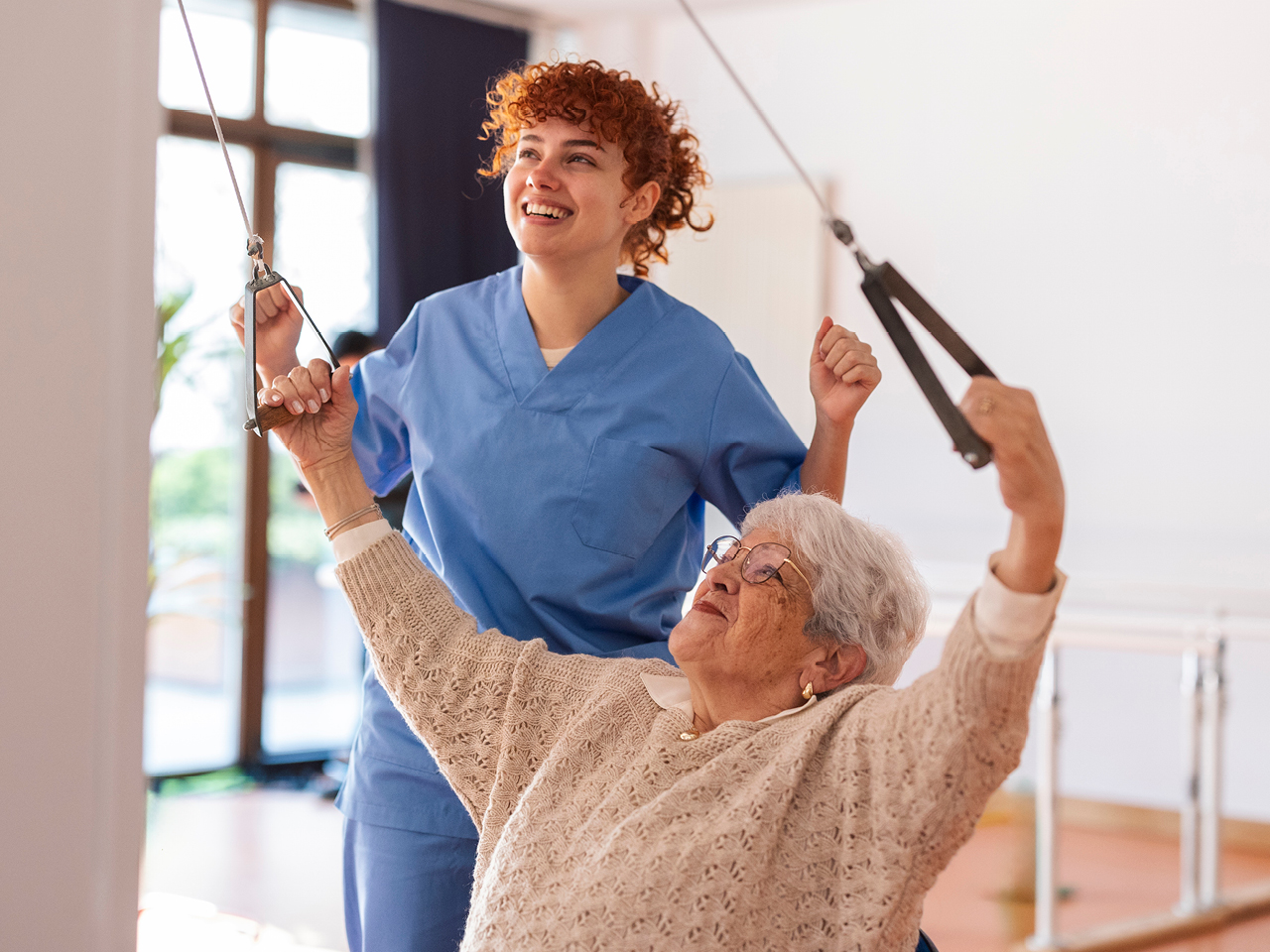
Inpatient units, like those at Franciscan Health, commonly offer state-of-the-art rehab equipment. For example, we have robotic systems that attach to your body to help you relearn to walk and ceiling-mounted systems that support you when walking. We also use devices that help get you up if you're bedbound.
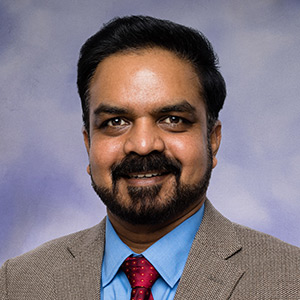
"These technologies allow us to customize treatment based on each patient's condition and progress," said Pradeep Gnanapragasam, MD, medical director of Franciscan Health Inpatient Rehabilitation Center Lafayette. "The goal is to gradually reduce the need for these tools as the patient regains independence."
Stand-alone medical rehabilitation centers are similar to hospital inpatient rehab units. Nurse-to-patient ratios are roughly the same. And therapy may be intensive. But services at stand-alone rehab centers can be less consistent. And patients don't have quick access to specialists. Often, doctors aren't on-site at all times either.
Patients in rehab centers usually receive a lower level of care than those in hospital rehab units. Sometimes, these centers focus on specific services, like physical therapy.
Rehab in a skilled nursing facility is less intensive than in dedicated rehab units, and stays are usually a bit longer. This type of rehab may be best when recovery is likely gradual.
A doctor at the SNF will guide your treatment plan. But they won't directly oversee your care each day. Nurses and nursing assistants are the main care providers. Physical, speech and occupational therapists may assist you, as well. However, their services may be less structured than in other settings.
In SNF rehab:
As you weigh your rehab options, ask your social worker or discharge planner these questions:
We all want to go home as quickly as we can after a hospital stay. But know that rehab can make a big difference in your recovery. And not just in your physical health.
"We focus on a holistic approach by involving the whole family in the process and addressing not just the patient's medical needs, but also their emotional and social well-being," says Dr. Gnanapragasam.
All of this may lead to a better quality of life. If you or a loved one is recovering from a serious surgery, illness or injury, we can help get you home. Learn more about inpatient rehabilitation at Franciscan Health.

Physical Medicine & Rehabilitation
Accepting new patients
Franciscan Physician Network
