Rhinovirus: Causes, Symptoms, Treatment and Prevention

Key Takeaways: Rhinovirus
- Rhinovirus is the most common cause of the common cold. It typically causes symptoms such as a runny nose, congestion, sneezing, sore throat and cough that usually improve within 7 to 10 days.
- You can get rhinovirus more than once. With more than 150 different strains of the virus, recovering from one type of rhinovirus does not protect you from all the others circulating in the community.
- Most people recover with rest and symptom relief, but some are at higher risk for complications. Young children, older adults, people with asthma, COPD and weakened immune systems may be more likely to develop conditions such as sinus infections, bronchitis, pneumonia or asthma flare-ups.
- Good hygiene is the best way to prevent the spread of rhinovirus. Frequent handwashing, cleaning high-touch surfaces, covering coughs and sneezes, and staying home when sick can help reduce transmission and protect others.
Got a runny nose, sore throat and congestion that just started a few days ago? You may have rhinovirus, the virus responsible for most cases of the common cold. While symptoms are usually mild and improve on their own, a rhinovirus infection can sometimes lead to complications, especially in young children, older adults and people with asthma or other chronic lung conditions.
Understanding how rhinovirus spreads, recognizing rhinovirus symptoms and knowing when to seek medical care can help you recover safely and reduce the risk of spreading illness to others.
"Most people think of the common cold as a minor inconvenience, but rhinovirus can have a bigger impact on young children, older adults and people with asthma," said Sajeel Suhail, MD, a family physician with Franciscan Physician Network in Columbus, Ind. "Knowing what symptoms to watch for and when to seek medical care can help prevent complications."
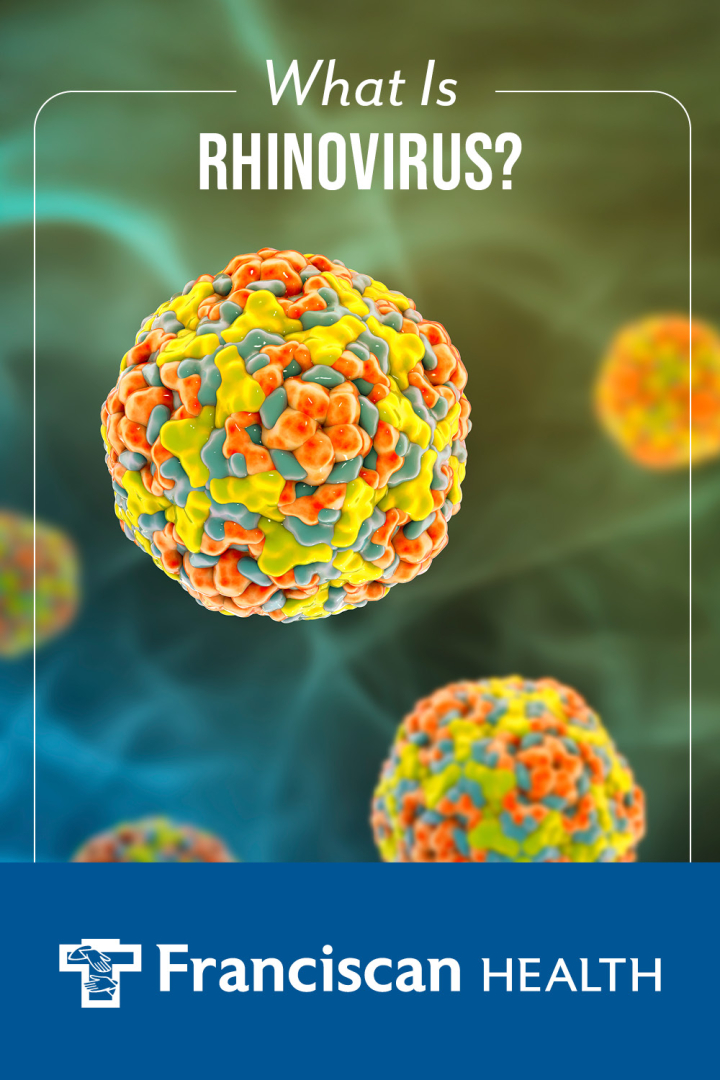
What Is Rhinovirus?
Rhinovirus is the most common cause of the common cold. It belongs to the enterovirus family and primarily affects the nose, throat and upper respiratory tract.
Common rhinovirus symptoms include:
- Runny nose
- Stuffy nose
- Sneezing
- Sore throat
- Cough
- Mild headache
- Low-grade fever, especially in children
Most people begin to feel better within 7 to 10 days, although congestion and cough may linger for up to two weeks.
There are more than 150 known types of rhinovirus. Because immunity develops only to the specific strain that caused an infection, it's possible to catch rhinovirus many times throughout your life.
Why Can You Get Rhinovirus More Than Once?
If it feels like you catch several colds every year, you're not imagining it.
Unlike some viruses that create lasting immunity, rhinovirus exists in many different strains. After recovering from one strain, your immune system may still recognize that particular type, but it won't necessarily protect you against the dozens of others circulating in the community.
This is one reason young children may experience multiple colds each year, especially during their first years in daycare or school.
How Does Rhinovirus Spread?
Rhinovirus spreads easily from person to person through:
- Respiratory droplets released when someone coughs, sneezes or talks
- Direct contact with contaminated hands
- Touching contaminated surfaces and then touching your eyes, nose or mouth
The virus can survive on surfaces for several hours, making hand hygiene one of the most effective ways to prevent infection.
People are generally most contagious during the first few days of illness, but they may continue spreading the virus for a week or longer.
In the United States, rhinovirus infections occur year-round but are most common during the fall and spring.
What Are the Symptoms of Rhinovirus?
Symptoms usually appear one to three days after exposure.
Common symptoms include:
- Runny nose
- Nasal congestion
- Sneezing
- Sore throat
- Cough
- Mild headache
- Feeling tired or run down
- Low-grade fever, particularly in children
Symptoms often peak around days two to three before gradually improving.
While most people recover without complications, some may experience lingering congestion or cough even after other symptoms have resolved.
Who Is Most At Risk For Rhinovirus Complications?
Most rhinovirus infections are mild. However, certain groups may be more likely to develop complications, including:
- Young children
- Adults age 65 and older
- People with asthma
- Individuals with chronic obstructive pulmonary disease (COPD)
- People with weakened immune systems
- Those with other chronic health conditions
Potential complications include:
- Sinus infections (sinusitis)
- Ear infections (otitis media)
- Bronchitis
- Pneumonia
- Asthma flare-ups
People in these higher-risk groups should monitor symptoms closely and contact a healthcare provider if symptoms worsen.
Can Rhinovirus Trigger Asthma?
Yes. Rhinovirus and asthma are closely linked.
A rhinovirus infection is one of the most common triggers for asthma flare-ups in both children and adults. The inflammation caused by the virus can increase wheezing, coughing and shortness of breath.
"If you have asthma, it's important to have an action plan before cold and flu season begins," said Dr. Suhail. "Making sure you have access to your controller and rescue medications can help reduce the impact of respiratory illnesses."
Talk with your healthcare provider about adjusting medications if asthma symptoms worsen during a cold.
How Is Rhinovirus Diagnosed?
Most rhinovirus infections are diagnosed based on symptoms and a physical exam.
Testing usually isn't necessary for uncomplicated colds.
In certain situations, your healthcare provider may recommend testing, such as:
- Severe illness
- Outbreaks in schools or long-term care facilities
- Immunocompromised patients
- Situations where identifying the exact virus may affect treatment decisions
Testing typically involves a nasal or nasopharyngeal swab that checks for multiple respiratory viruses.
Chest X-rays and other imaging studies are rarely needed unless pneumonia or another lower respiratory infection is suspected.
How Is Rhinovirus Treated?
There is no medication that cures rhinovirus, and antibiotics do not treat viral infections.
"Because rhinovirus is a viral infection, antibiotics won't help treat the illness itself," Dr. Suhail said. "Treatment is focused on helping patients stay comfortable while their immune system clears the infection."
Most people recover with supportive care, including:
- Getting plenty of rest
- Drinking fluids to stay hydrated
- Using a humidifier or breathing humidified air
- Taking acetaminophen or ibuprofen for fever and body aches
- Using saline nasal sprays or rinses for congestion
Adults may also benefit from short-term use of decongestants. However, people with high blood pressure, glaucoma or certain heart conditions should consult a healthcare provider before using these medications.
For children, avoid using multi-ingredient cold medicines or cough suppressants unless specifically recommended by a pediatrician.
Honey may help soothe a cough in children older than 1 year.
How Can You Prevent Rhinovirus?
Because there is no vaccine for rhinovirus, prevention focuses on reducing exposure.
The best preventive measures include:
- Washing hands regularly with soap and water for at least 20 seconds
- Using hand sanitizer when soap and water aren't available
- Avoiding touching your eyes, nose and mouth
- Cleaning frequently touched surfaces
- Covering coughs and sneezes
- Staying home when sick
"Simple habits like washing your hands, cleaning frequently touched surfaces and avoiding close contact when you're sick remain some of the best ways to prevent spreading rhinovirus," Dr. Suhail said.
Schools, workplaces and families can also help reduce transmission by encouraging good hygiene practices and allowing people time to recover at home when ill.
When Should You See A Provider For Rhinovirus Symptoms?
Contact a healthcare provider if:
- Symptoms last longer than 10 days without improvement
- You develop a high or persistent fever
- You have severe sore throat pain
- You develop ear pain
- You experience significant facial pain or pressure
- You notice worsening wheezing
- You have shortness of breath
- You experience chest pain
- You show signs of dehydration
- Your asthma symptoms worsen
Seek emergency medical care if you experience:
- Severe difficulty breathing
- Bluish lips or face
- Confusion
- Severe dehydration
- Symptoms of a severe asthma attack
During an evaluation, your healthcare provider may review your symptoms, check vital signs and examine your ears, throat, lungs and sinuses to determine whether a complication has developed.
Recovering From A Rhinovirus Infection
Although rhinovirus is usually mild, it can make you feel miserable for several days. The good news is that most people recover fully with rest, hydration and symptom management.
Pay attention to symptoms that linger, worsen or affect breathing, and don't hesitate to contact your healthcare provider if you have concerns. This is especially important if you have asthma, chronic lung disease or another condition that increases your risk of medical complications.
How Franciscan Health Can Help
Whether you're dealing with a lingering cold, recurring respiratory infections or asthma symptoms that worsen during illness, Franciscan Health providers can help.
Our primary care providers can evaluate your symptoms, rule out complications and recommend treatment options to help you recover safely. If you have asthma or another chronic lung condition, we can also help you develop a plan to manage respiratory infections and reduce the risk of flare-ups.
To schedule an appointment with a Franciscan Health primary care doctor, visit FranciscanHealth.org or visit your local Franciscan ExpressCare.
Frequently Asked Questions: Rhinovirus
Rhinovirus is the most common cause of the common cold, although other viruses can also cause cold-like symptoms.
Most rhinovirus infections improve within 7 to 10 days. A cough or nasal congestion may continue for up to two weeks.
Yes. Rhinovirus spreads easily through respiratory droplets, contaminated surfaces and hand-to-face contact.
Most rhinovirus infections remain mild, but complications such as bronchitis or pneumonia can develop, particularly in older adults, young children and people with chronic health conditions.
Yes. Rhinovirus is one of the most common causes of asthma exacerbations and can worsen wheezing and breathing difficulties.
Featured Providers

Sajeel A Suhail, MD
Family Medicine
Accepting new patients
Offers virtual visits
Franciscan Physician Network
