Find A Franciscan Health Dermatologist
Franciscan Health dermatologists treat skin problems related to sun damage and photo-aging, skin cancer, and common skin conditions such as acne, eczema and psoriasis.
Search the site for providers, locations, and content.
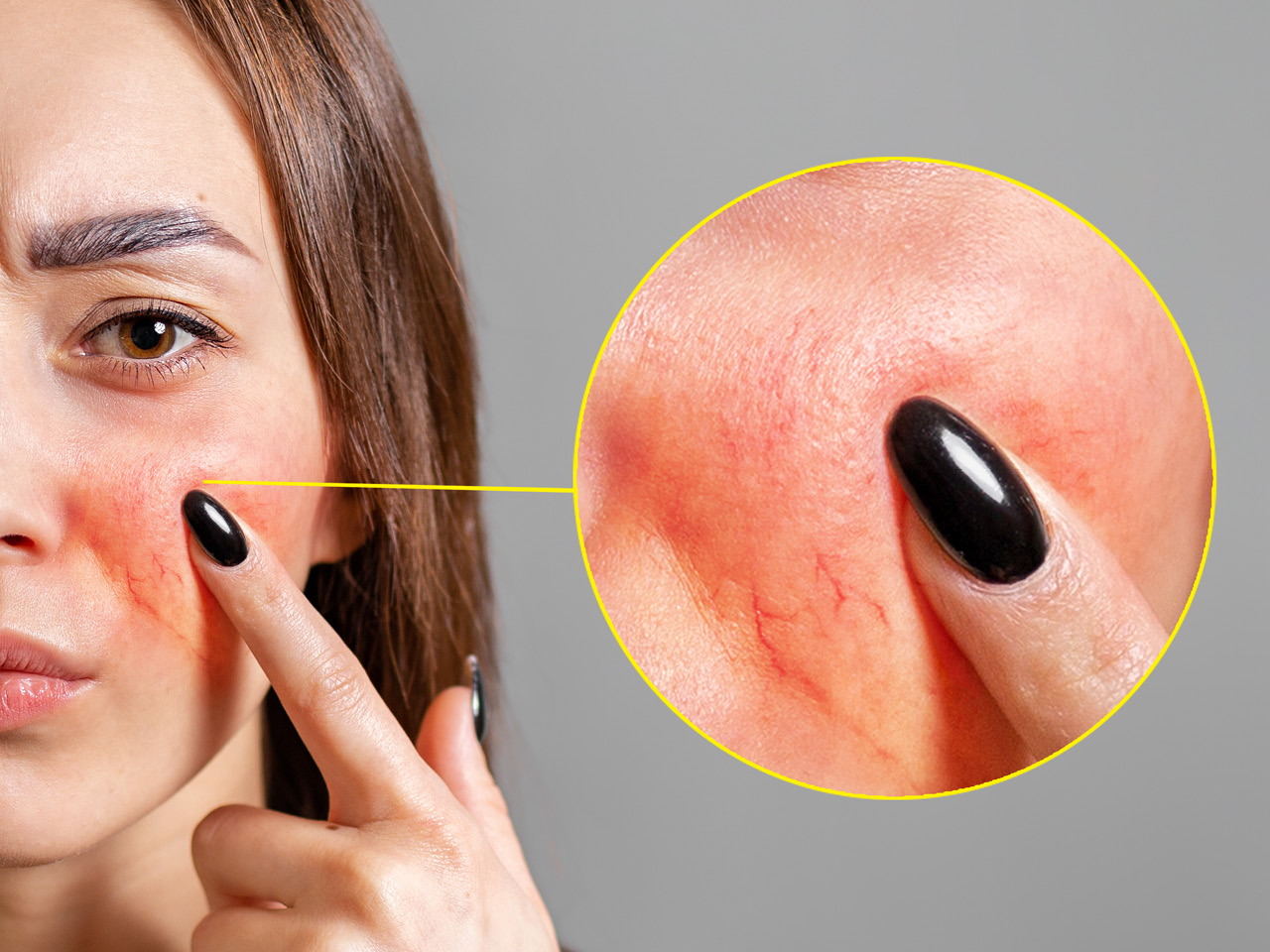
Rosacea, sometimes called acne rosacea, is a common skin condition that causes redness or flushing of the face. The condition can appear as pronounced red patches or small, red pimple-like bumps.
“Rosacea is a chronic inflammatory disorder that primarily affects skin on the face, though it can also cause dry, red eyes, too,” said Daniel P. Hekman, MD, a physician with Franciscan Physician Network Franklin Township Family Medicine.
The American Academy of Dermatology estimates that more than 14 million Americans live with rosacea. Many begin noticing rosacea symptoms between the ages of 30 and 50. The condition most commonly affects women, fair-skinned individuals, and those with a history of severe acne.
Rosacea often causes redness on a person’s face, or a dusky brown color if you have a darker skin tone. Rosacea commonly appears as a tendency to blush or flush more easily, but also can cause more serious symptoms like:
Rosacea often develops on the nose and cheeks. While less common, some people see rosacea spread to their forehead, chin, ears, scalp, neck, upper chest, or back.
If you have a darker skin tone, you may not have the reddish or violet skin color often associated with rosacea. Possible rosacea signs can include:
While rosacea is common, there are other skin conditions, like acne or eczema, that may cause similar symptoms. A board-certified dermatologist can help diagnose your problem, find a treatment that works best and teach you to avoid triggers.
The American Academy of Dermatology estimates 50% of people who have rosacea will have a flare-up that affects their eyes.
Ocular rosacea symptoms can include:
The exact cause of rosacea is not known. Because rosacea primarily affects older adults, particularly fair-skinned ones, some research centers on the theory that micro scarring from long-term sun damage is a potential cause of rosacea.
“Chronic sun damage and micro scarring over time changes the architecture of your skin and the skin glands as they heal,” Dr. Hekman said. “As a result, it’s believed bacteria in secretions can sometimes get stuck in the skin and create the bumps and abnormal blood vessels that are hallmarks of rosacea.”
Studies are ongoing to identify other potential causes of rosacea, including:
Patients with rosacea often find that their symptoms flare-up and then recede. Certain foods and environmental causes can trigger outbreaks. As a result, we recommend that people with rosacea avoid:
Try to moisturize your face frequently and use sunscreen or wear a wide-brimmed hat whenever you’re outdoors. Also, it may be beneficial to wash your face at least twice a day with a mild, hypoallergenic cleanser to further prevent flare-ups.
Treatments for rosacea depend on the type of blemishes you’re experiencing.
For rosacea primarily defined by red pustules or pimples, physicians typically prescribe a topical antibiotic such as metronidazole.
“This not only kills bacteria that cause the bumps, but it also stops inflammation that causes the skin redness and irritation,” said Dr. Hekman.
For rosacea with flushing, doctors can prescribe medications like brimonidine, which shrink blood vessels to reduce redness and inflammation.
If first-line medications are not effective in reducing rosacea symptoms, your physician might also prescribe an oral antibiotic such as doxycycline, which can kill bacteria and help alleviate skin redness.
If you think you might have rosacea, talk with your doctor. Seeking treatment now can help prevent long-term scarring or permanent redness on your face.
Talk with your doctor if you notice the development of persistent red blemishes on your cheeks, chin or nose. Your physician can help you identify potential triggers and make a plan to get your flare-ups under control. With medical care, rosacea can be managed. But if left untreated, rosacea symptoms can worsen to the point that they become permanent.
Look for products that say they are noncomedogenic, meaning they don’t clog pores and are made for sensitive skin. Avoid face products that contain alcohol, camphor, fragrance, glycolic acid, lactic acid, menthol, sodium laurel sulfate and urea.
Before using any products, test them on a quarter-sized patch of your skin on the inside of your arm every day for a week to 10 days. If your skin remains clear, that means the product most likely won’t cause a rosacea flare-up.
Don’t rub or scrub your face, or use washcloths, facial sponges or exfoliators. Those can irritate your skin and make rosacea worse.
Avoid the temptation to skip cleansing if your skin feels irritated. Cleansing up to twice a day will help remove oil and dirt that can make irritation worse. Gently apply a mild cleanser in a circular motion with your fingertips, then rinse it all off and gently pat your face dry with a clean towel. Moisturizing after cleaning, even if your skin feels oily, helps hydrate your skin to reduce irritation.
Just because you have rosacea doesn’t mean you have to avoid makeup. A yellow-tinted concealer can mask discoloration, and a green-tinted concealer can camouflage redness. Just keep in mind that some makeups can irritate skin. Dermatologists often recommend water-based or powder makeup because it usually doesn’t irritate rosacea.
Stay in the shade as much as possible, wear sun-protective clothing and apply a broad-spectrum water-resistant sunscreen with SPF 30 or higher to all exposed skin. Look for sunscreens containing zinc oxide, titanium dioxide or both.

Dermatology +1 more
Accepting new patients
Franciscan Physician Network
