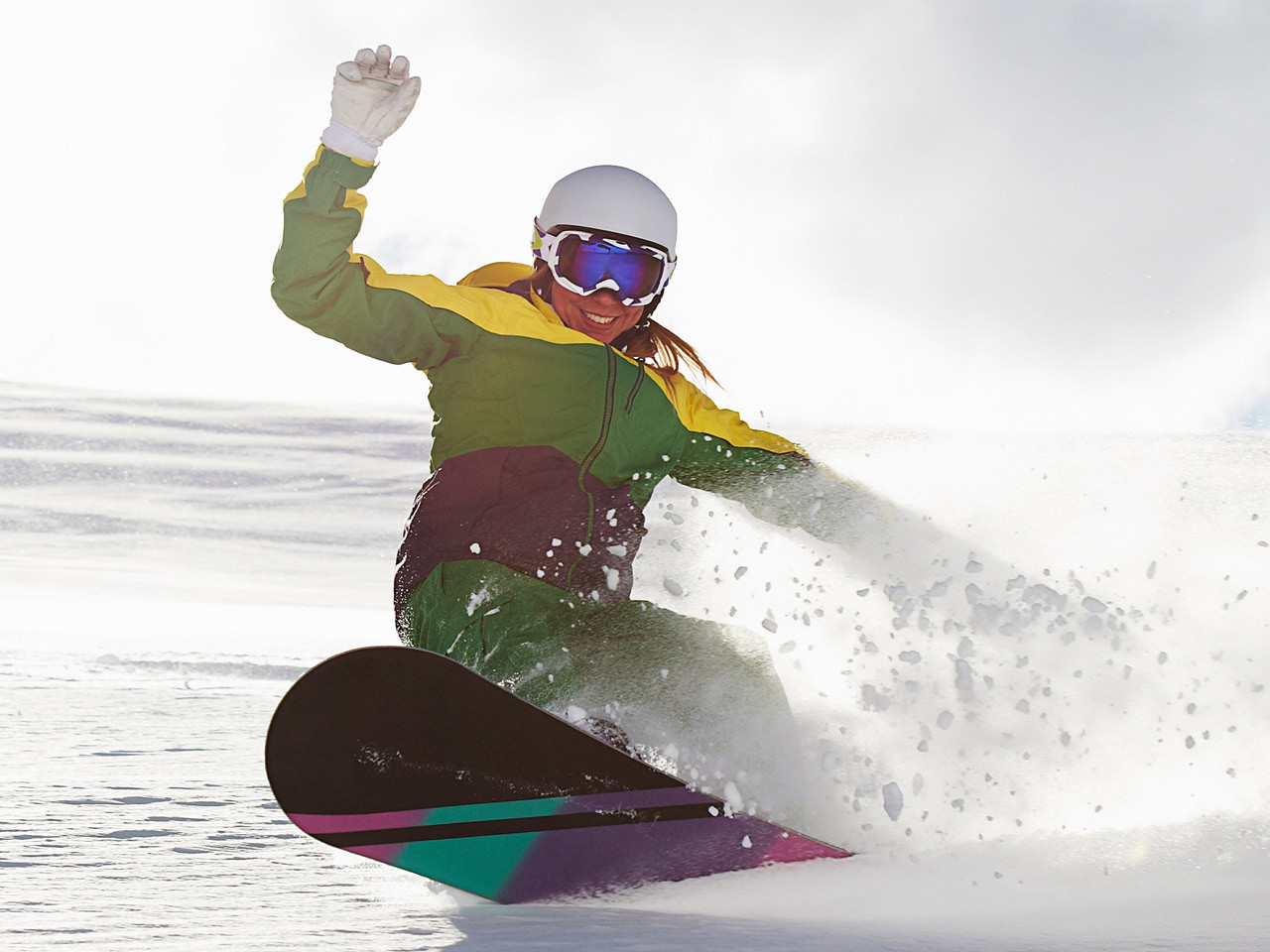
We’re in the heart of winter sports season right now – perfect skiing, sledding, snowboarding, and skating conditions for everyone to enjoy. The key is to enjoy it safely – and to make sure you’re not overdoing it.
Matthew Rachwalski, DO, sports medicine physician at Franciscan Health, points out that most winter sports injuries happen near the end of the day – especially with downhill sports.
“People get tired at the end of the day, yet often feel pulled to get one more run in,” says Dr. Rachwalski. “That’s when you can get hurt – the potential for a catastrophic injury is so much higher.”
If you’re heading out on a winter skiing or snowboarding trip, Dr. Rachwalski recommends these tips to help minimize your risk of injury:
- Work on conditioning: Weeks before your trip – or even months, if possible – start getting your body ready for the activities. Get your cardiac endurance up by walking, running, riding a bike, or hitting the elliptical regularly. Work on strengthening your legs and core with high reps and low weights.
- Schedule time for altitude adjustment: If you’re traveling somewhere with a higher altitude, build in time to ensure you have acclimated to your new surroundings. Altitude sickness can quickly take the sparkle out of your vacation with dizziness, headache, fatigue and nausea.
- Plan to take lessons: If it’s your first time hitting the slopes or if you’re a little rusty on your skiing or snowboarding skills, enroll in lessons. Instructors will help you learn the proper technique – as well as how to fall safely to minimize your chance of injury.
Daily Checklist: What To Do When You’re Ready To Participate in Snow Sports
Whether you’re on a big ski trip or just hitting the big sledding hill close to your house, this winter activity checklist will help keep you warm, safe – and hopefully injury-free.
- Warm up: It’s smart to warm up with light exercises before you head out into the cold. Jumping jacks, stretching, jogging in place, or even a quick walk can help warm up your muscles before you jump on a sled or hit the slopes. Warming up is crucial for injury prevention, especially in cold temperatures.
- Wear protective gear: Dress in warm, light layers and pay close attention to your fingers, toes, ears, and face. Frostbite can happen quickly – especially when you’re having fun skating or sledding. Don’t forget to wear sunglasses to protect your eyes and a helmet to protect your head, especially for downhill activities and skating.
- Stay hydrated: Dehydration can happen in the winter. Even if you’re sweating and cold – it’s a sneaky but dangerous way to lose hydration. To combat potential dehydration, make a point to drink a glass of water each time you go inside for a break. Also, try to increase your water intake the week leading up to your activity.
- Pack a snack: It’s a good idea to have a quick snack like an energy bar zipped into your pocket. You never know when hunger will strike on the sledding hill!
- Keep an eye on the weather: Winter weather can turn on a dime. Check the weather before heading out for the day and keep an eye on the skies. Light rain can turn into sleet or snow quickly – making conditions treacherous. Rapid temperature drops are also commonplace in the winter, so stay alert.
- Be aware of skill level signs: If it’s your first time on the slopes, a black diamond significantly increases your chances of injury. Stay on the hills that fit your experience level, and slowly build your skills and confidence level. The double black diamond with moguls will always be there next year!
Extra Winter Safety Tips
Dr. Rachwalski's best winter advice? Know your limits and listen to your body.
“Know when you’re tired – and that there’s always tomorrow,” says Dr. Rachwalski. “Know your limits and plan to keep yourself as safe as possible.”
A few final safety tips for maximizing winter fun:
- Never go out alone: Whether you’re skiing, sledding, or ice fishing, make sure you’re taking advantage of the buddy system to keep tabs on each other. Having a buddy is especially important at large resorts where you can ski off-trail and get lost quickly.
- Wear reflective gear: If you’ll be outside in the evening hours – and potentially in poorly-lit areas – make sure your winter gear is warm and reflective.
- Be aware of your surroundings: If you’re sledding, check up and down the hill to make sure you have a clear pathway to the bottom. If you’re ice fishing or skating on a pond, scan the surrounding ice to make sure it’s frozen solid at least six inches.
With just a bit of planning and preparation, everyone can enjoy winter activities safely.
Whether you’re heading out on the slopes or worried about a nagging injury interfering with your winter fun, schedule an appointment today with the Franciscan Health Sports Medicine team.
Sports Medicine Services
At Franciscan Health, our goal is to help prevent, treat and rehab sports-related injuries. We offer a full spectrum of care, from pre-participation sports physicals and evaluating injuries to recommending proper sports nutrition and providing athletic training and physical therapy.