Request An Appointment
Don't wait, prioritize your health. Find the right Franciscan Health doctor for your needs, and request an appointment today.
Search the site for providers, locations, and content.
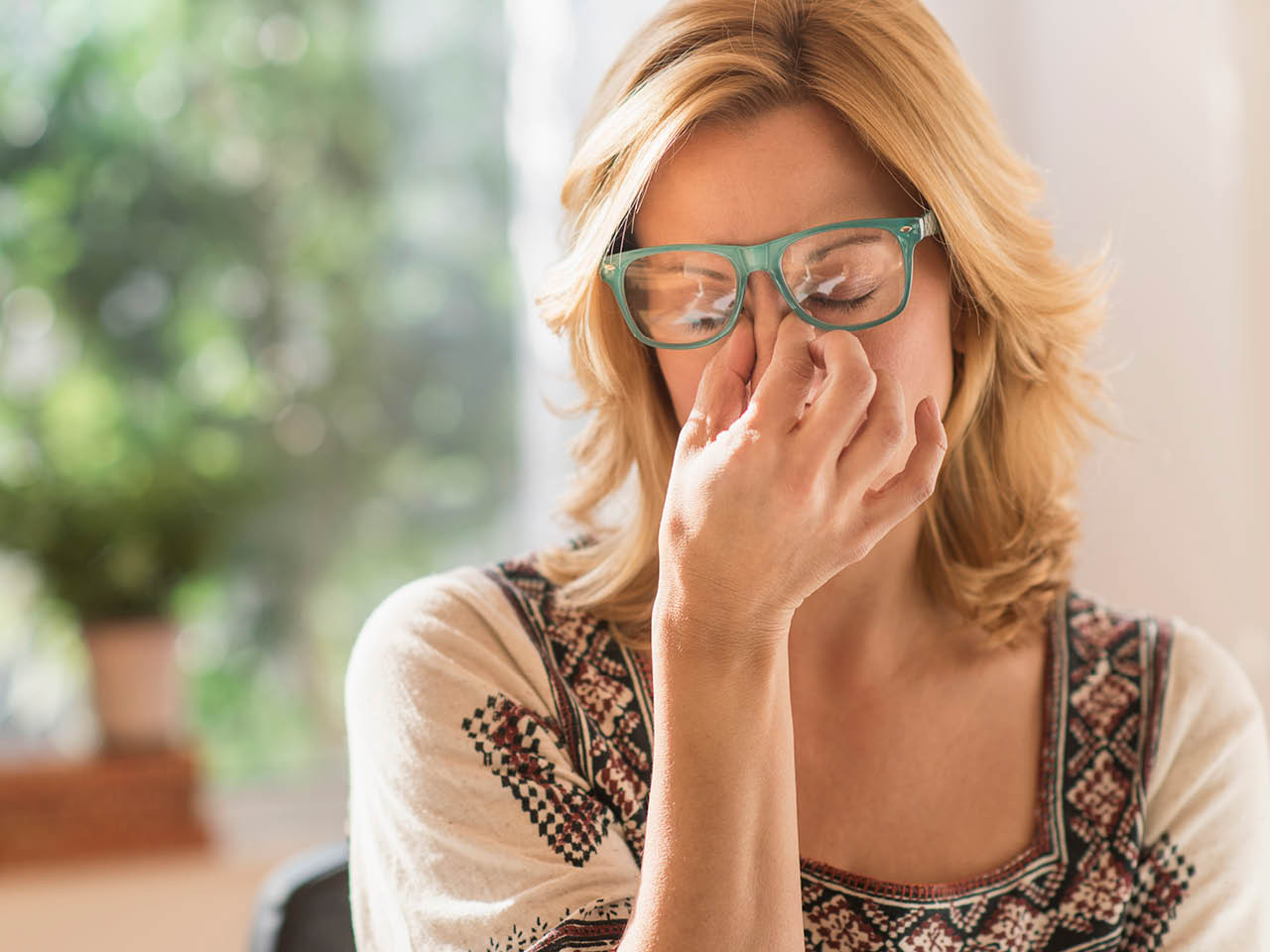
Spring, summer and fall are marked by some of the year's best weather and some of the most sneeze-inducing pollens. For seasonal allergy sufferers, spring, summer and fall allergies can mean months of itchy eyes, stuffy noses, scratchy throats and achy sinuses.
If you're suffering from pollen allergy symptoms, know there are steps you can take to cope - and that you're not alone. Both Indianapolis and Chicago are in the top 80 cities for pollen allergy sufferers. About 1 out of 4 adults and 1 out of 5 children have seasonal allergies, and more than 50 million people in the United States experience allergies of some type, according to the Asthma and Allergy Foundation of America.
Franciscan Physician Network doctors explain what triggers seasonal allergies to pollen.
Seasonal allergies - also known as seasonal allergic rhinitis or hay fever - happen when spring pollens like oak pollen, summer pollens like grass pollen, or fall pollens like ragweed, trigger an allergic reaction in your body.
Hay fever, or allergic rhinitis, occurs when your immune system identifies an allergen as an intruder and responds to it by releasing histamines. Those histamines cause the unpleasant symptoms associated with allergies, including sneezing, wheezing and watery eyes, nasal congestion or a runny nose.
"A lot of people have had allergies. It is debilitating and they don't know it because its always been debilitating, so you should not have to itch your eyes on a frequent basis, you should not be struggling to breath through your nostrils," said Michael Padilla, DO, a family physician at Franciscan Physician Network South 31 Family Care in Indianapolis.
While allergic rhinitis can be triggered by year-round sources such as mold, pet dander or dust mite droppings, pollen is the most common allergen for seasonal allergy sufferers. While some people develop seasonal allergies as children, it's possible for seasonal allergy symptoms to surface at any point in a person's life - even well into adulthood.
Each plant has its own pollen season. Different parts of the country have different pollinating plants and, therefore, different pollen seasons.
Pollen season in most regions of the country often starts in the spring. But it may begin as early as January in the southern part of the U.S. The season usually lasts until November.
"Pollen typically starts affecting allergy sufferers in the spring and summer," said Dennis E. Rademaker, DO, a Franciscan Physician Network allergist in Munster, Indiana. "There are different types of pollen, and it can affect each person differently, depending on the type of tree or grass from which it came."
Plants that have powdery granules of pollen that are easily blown by the wind can trigger pollen allergies. These include:
Some pollens are known for triggering allergies that they have their own allergy season names. Examples include "ragweed season" for ragweed pollen and "cedar fever" for reactions to the pollen of a juniper tree known as the mountain cedar.
You're not wrong if you feel that pollen season seems longer than it once did.
Climate change is prompting longer pollen seasons and higher pollen counts, which spells trouble for people with seasonal allergies, allergists warn. In some areas with high levels of ragweed pollen, allergy season can last nearly year-round
Along with more severe and longer-lasting symptoms for allergy sufferers, longer pollen seasons have led to an increase in the number of people diagnosed with seasonal allergies for the first time.
If you're suffering from seasonal allergies, take steps to reduce your exposure to pollen, including:
If natural remedies for managing seasonal allergies aren't enough to keep your allergy symptoms at bay, you may need to talk about other treatment options with your primary care provider. These could include:
If you are one of the millions of Americans who suffer from seasonal allergies, know your pollen allergies should not sentence you to a life spent inside. It's possible to manage your symptoms so that you can enjoy outdoor activities, including outdoor sports.
If you are struggling with seasonal allergies, talk to your primary care provider today. With proper management, you can get your seasonal allergy symptoms under control.

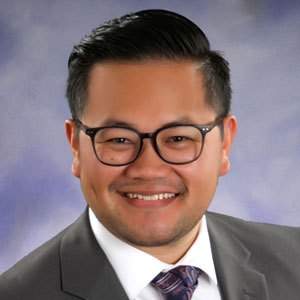
Family Medicine
Accepting new patients
Franciscan Physician Network


Allergy & Immunology +1 more
Accepting new patients
Franciscan Physician Network