Get Peace Of Mind At Urgent Care
Franciscan's Express Care and After-Hours Clinics offer walk-in access to care you need today.
Search the site for providers, locations, and content.
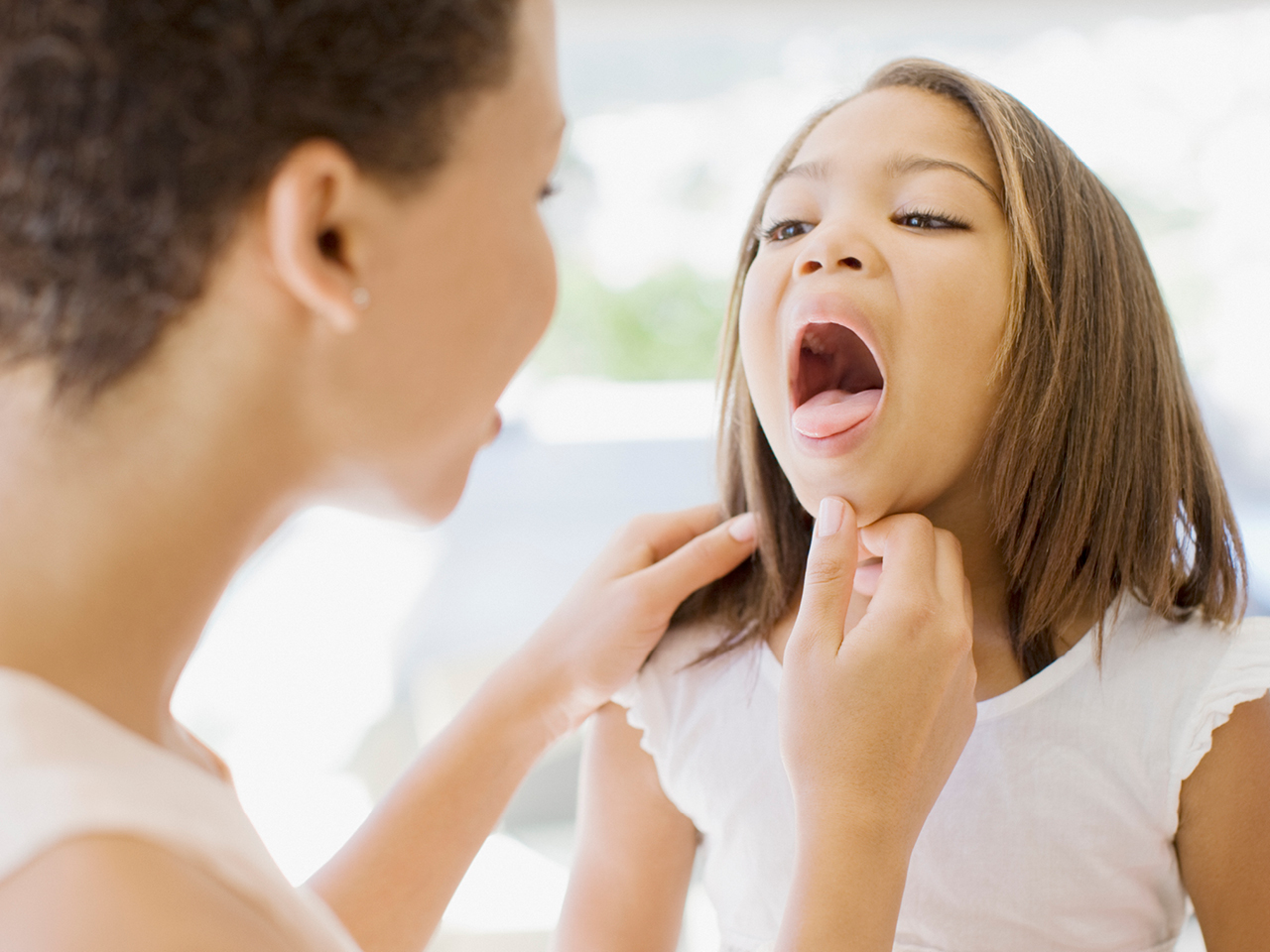
On Monday morning when your son says his throat hurts—again—you may think it’s the weekday morning blues. Itchy throat, burning and difficulty swallowing. But when the symptoms aren’t better after a few days, could it be something more than the sniffles?
Strep throat is a common illness that affects many children, and it's natural to have concerns about strep being contagious. In this article, we will discuss symptoms of strep throat, how contagious strep throat is, complications that can happen if strep is not treated, how parents can help at home, and when to see a doctor for strep throat symptoms.
Strep throat is a common throat infection caused by bacteria known as group A streptococcus. Group A streptococcus can easily spread from person to person through droplets in the air. This means that strep is highly contagious, especially in close contact settings like schools and daycare centers. The bacteria can be transmitted through coughing, sneezing or sharing contaminated objects such as utensils or drinking cups.
“Strep throat is generally a mild illness that can cause discomfort and can be treated with antibiotics,” said Kristin Wood, MD, a primary care physician and associate director of the Franciscan Health Family Medicine Residency program in Indianapolis. “But if strep throat is left untreated or not managed properly, it can lead to other health complications.”
Strep throat symptoms include swelling and extreme soreness of the back of the throat, or pharynx. Strep can hurt so much your child doesn't want to swallow.
Other symptoms of strep throat are:
Only a small number of sore throats are strep infections in children.
“Viruses, not bacteria, cause many sore throats,” Dr. Wood said. “A sore throat that comes with other cold symptoms like a runny nose, or which causes hoarseness or laryngitis, is probably not a strep infection.”
You should consider seeing a doctor to rule out strep throat for symptoms like:
If you have been in close contact with someone who was diagnosed with strep throat or is being treated for it, consider seeing a doctor for a strep test. Your doctor or nurse practitioner can perform a throat swab test to confirm whether your child has strep throat. Your doctor may use a cotton swab to collect a sample of cells from the back of the throat and do a rapid strep test, which can identify a case in a matter of minutes, or a throat culture at a lab to see whether streptococci bacteria grow in it.
“While strep throat is generally considered a mild illness, it is important to take it seriously and seek appropriate medical attention,” Dr. Wood said.
Strep throat is typically a manageable illness when treated promptly and properly. The main reason your doctor will want to diagnose whenever strep is suspected is that you could develop rare but serious complications if strep is not treated.
The most common complications of strep throat include:
Prompt diagnosis, proper treatment with antibiotics and following medical advice can significantly reduce the risk of these complications. If you suspect your child may have strep throat or is experiencing any concerning symptoms, consult a healthcare professional for a proper evaluation and guidance.
Antibiotics will help the sore throat go away quickly and will prevent strep throat complications from developing.
“Even if you start feeling better within a day or two, it's important to continue the full course of antibiotics to ensure complete recovery,” Dr. Wood said. “This will help eliminate the bacteria and reduce the risk of complications.”
Rest, drink plenty of fluids and take over-the-counter pain relievers (if recommended by a healthcare professional) to alleviate symptoms such as pain and fever. Throat lozenges, gargling with warm salt water and popsicles may ease sore throats.
Strep throat is indeed contagious, but with the right precautions, you can minimize the risk of contracting the infection.
If your child is diagnosed with strep throat, they should stay home from school for 24 hours after starting antibiotics and the fever has resolved. Family members or classmates who develop a sore throat should tell their doctor they were exposed to strep; they'll probably start feeling sick two to seven days after exposure.
It is normal to be concerned if your child's classmate has strep throat, but there are some important things to remember:
Strep throat is most contagious during the first two to three days of illness or until 24 hours after starting antibiotic treatment. If your child's classmate has already received treatment or has been absent from school for a couple of days, the risk of transmission decreases significantly.
Encourage your child to practice good hygiene habits, such as washing their hands regularly with soap and water, covering their mouth and nose when coughing or sneezing, and avoiding sharing personal items. These practices can help reduce the spread of strep throat and other contagious illnesses.
A strong immune system can play a vital role in preventing infections. Make sure your child follows a healthy lifestyle by getting enough sleep, eating a balanced diet, and staying physically active. Additionally, ensure they are up to date with their vaccinations, as some vaccines can protect against certain strains of strep bacteria.
If you suspect your child may have been exposed to strep throat or is showing symptoms such as sore throat, fever, and swollen glands, it is crucial to consult a healthcare professional.
“People are always worried when they have a sore throat, do I have strep and does this need treated?” said Dr. Lynch. “Well, if you have strep, it definitely needs treated.”
Your primary care provider a local urgent care can provide an accurate diagnosis, recommend appropriate treatment, and advise you on necessary precautions to take.