Request An Appointment
Don't wait, prioritize your health. Find the right Franciscan Health doctor for your needs, and request an appointment today.
Search the site for providers, locations, and content.
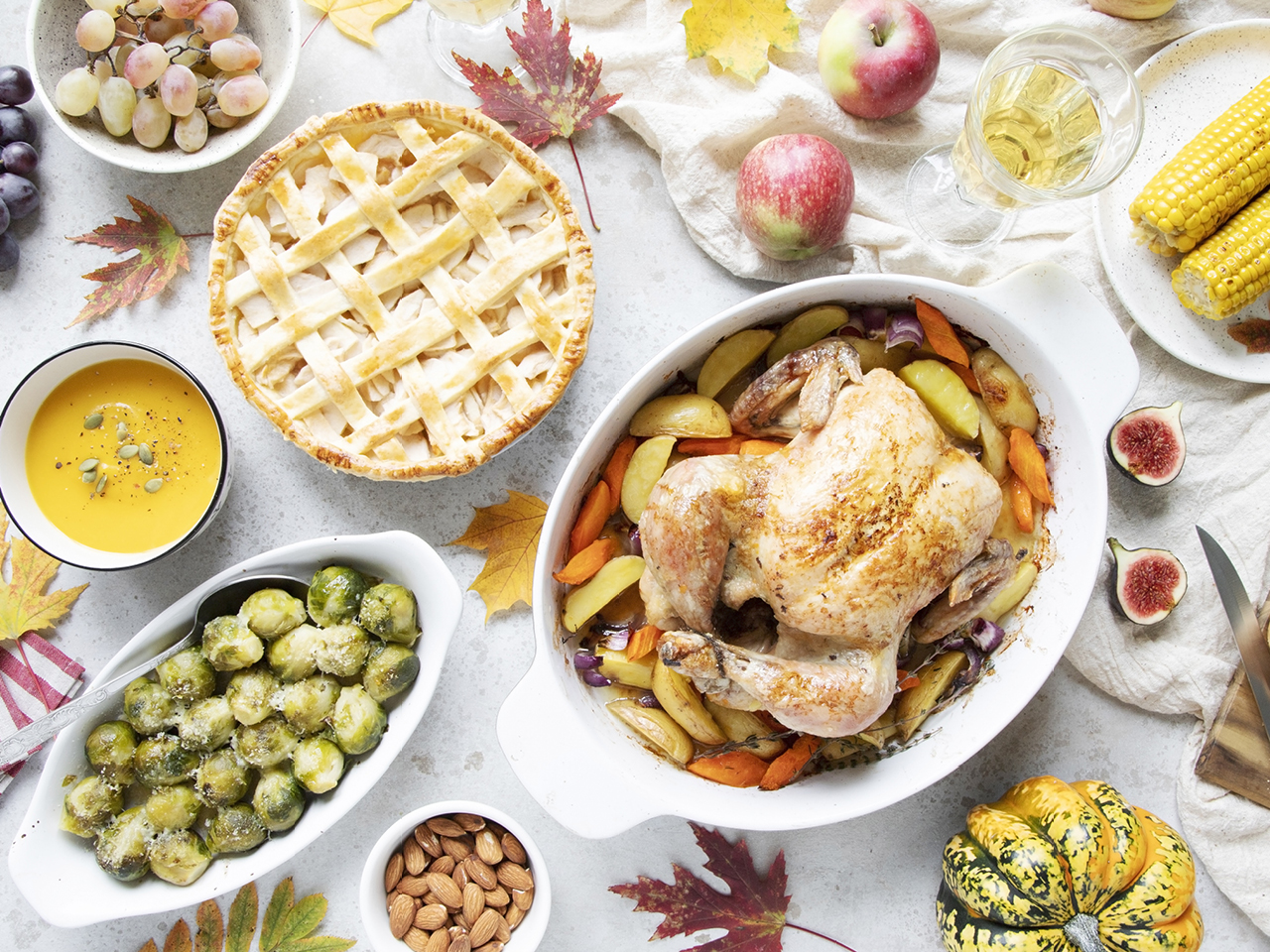
The turkey, stuffing, cranberries, green bean casserole and mashed potatoes on the Thanksgiving table may look tempting, but if you have acid reflux or gastroesophageal reflux disease, you should proceed with caution, experts say.
Many traditional holiday dishes are high in fat or spices, which can exacerbate acid reflux and contribute to uncomfortable heartburn symptoms. Learn how to prevent heartburn and GERD symptoms after a holiday meal.
Overeating puts pressure on the lower esophageal sphincter (LES) muscle, a ring-like muscle that acts as a valve between the esophagus and stomach. When that muscle is weakened, acid can flow back into the esophagus and trigger a GERD episode.
It's important for people with GERD to eat slowly, avoid overeating and not fall for the temptation to nap after a larger meal, said Ariel Houim, a nurse practitioner with Franciscan Physician Network Gastroenterology Lafayette. Eating slowly gives you time to feel full, which decreases your risk of overeating.
Eat at least an hour or two before taking a nap or going to bed.
Your food and drink choices can help you limit heartburn triggers.
"We want people to enjoy themselves; being mindful of what and how they eat will help them to do so," she said.
Drink more water and limit carbonated beverages and alcohol.
"Carbonated beverages and alcohol can cause your LES muscle to relax and trigger GERD," Houim said. "If you drink more water, it can clear the esophagus and reduce reflux."
"When it comes to what we eat and drink over the holidays, it is important to remember the saying: everything in moderation," she said. "Be selective about what you put on your plates and prioritize foods that are less likely to provoke reflux episodes."
Eating large amounts of food in one sitting can increase stomach pressure, leading to acid reflux. Instead of indulging at a large holiday dinner, try eating small meals throughout the day. "Save leftovers instead of trying to eat it all, and think about enjoying dessert later in the afternoon instead of after a large lunch," Houim said.
Avoid foods that trigger your heartburn.. Some common foods that trigger GERD symptoms are:
Limit high-fat foods, like gravy and buttered rolls. These can slow down digestion, causing food to stay in the stomach longer and leading to heartburn.
Acidic foods, like cranberry sauce and certain fruits or vinegar pies, can increase the acid levels in the stomach, leading to heartburn.
You can take steps to help prevent heartburn symptoms from happening during the holidays.
After a large holiday meal, a nap is tempting. Don't lie down immediately after eating: Wait at least two hours before lying down after eating to allow food to digest and decrease the chance of acid reflux.
Physical positioning also plays an important role in managing heartburn. People with GERD often find that lying flat tends to worsen their symptoms, but a slightly upright position can offer relief. Sleeping with extra pillows behind you—or using a wedge pillow—can help elevate your upper body. This position reduces the chance that stomach acid will flow back into your esophagus while you rest. Elevation makes use of gravity to help keep stomach contents where they belong, easing the pressure on your lower esophageal sphincter.
Reducing anxiety and stress might also help ease or prevent heartburn symptoms. Techniques such as mindfulness, cognitive behavioral therapy or hypnotherapy can help reduce stress and anxiety.
"Being stressed or anxious can lead to gut nerves being oversensitive where they fire off pain signals, such as cramping or bloating, at much lower levels of stimulation than would normally be required," Houim said.
"Prepare for a potential GERD episode by keeping your over-the-counter antacids or medicine prescribed by your doctor handy," Houim said.
Taking antacids or acid-suppressing drugs before eating may reduce heartburn symptoms, but don't use them as an excuse to overindulge.
While these medications lower acid, they don't stop the regurgitation that can accompany reflux, so overeating can still lead to uncomfortable symptoms, Hoium said.
"When you make informed choices and practice moderation, you can still enjoy festive gatherings while effectively managing your GERD symptoms," Houim said.
Read more about the links with heartburn signs and your overall health:

Adult Health Nurse Practitioner +1 more
Accepting new patients
Offers virtual visits
Franciscan Physician Network

