Request An Appointment
Don't wait, prioritize your health. Find the right Franciscan Health doctor for your needs, and request an appointment today.
Search the site for providers, locations, and content.
A dip in a pool, lake or ocean sounds tempting on a hot summer day. However, it’s important that you are aware of how to be safe both in and around the water. Did you know thousands of Americans are seriously injured or even killed yearly from both swimming and boating accidents? By following these simple water safety tips, you're not only able to protect your family but yourself as well this summer.
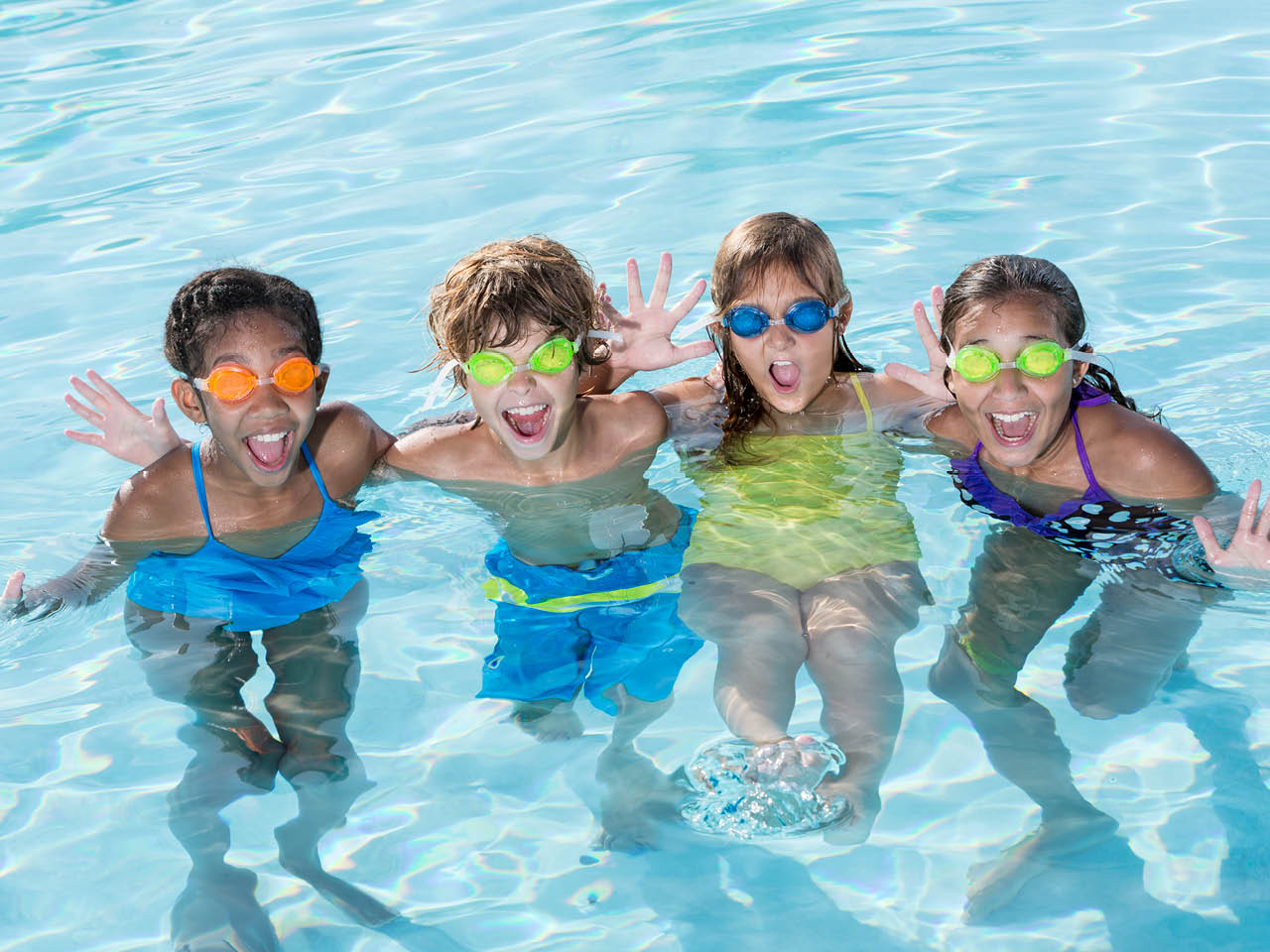
Splashing around in the water is just plain fun. However, not taking the proper safety precautions can lead to tragedy.
From 2005 to 2014, there were about 10 non-boat-related drownings a day in the United States, according to the CDC. Another 332 people die each year from boat-related drownings. According to the American Heart Association, giving rescue breaths in addition to chest compressions is especially important during CPR in cases of drowning.
"Drowning is a big risk, especially in their younger kiddos," said Shivani Parikshak, MD, a Greenwood pediatrician with Franciscan Physician Network. "Making sure you're taking advantage of some of the swimming lessons that are being offered in the community this time of year, and then keeping really close supervision with your kids if they're going to be in the pool, bathtub, any body of water really."
About 20% of people who die from drowning are children under 15. For every child who dies from drowning, another five are treated in the emergency room for nonfatal underwater injuries.
"It can happen quickly within a matter of seconds," said Dr. Parikshak. "So we can look down and see a text or have a conversation with someone quickly and they could be on the other side of the pool by that point. The American Academy of Pediatrics recommends touch supervision, which means we're within arm's reach of our child at all times".
Familiarity with the water depth is crucially important as well. Every year, health care professionals see diving accidents, resulting in spinal cord injuries, typically among teenagers.
Before you go swim in a pool, lake or ocean with your family, review these 10 water safety tips:
Before you go out on a boat in your favorite lake, review these 10 boating safety tips:
Cardiopulmonary resuscitation (CPR) is a key skill everyone should learn. If an emergency situation arises, you save a life by knowing this crucial skill. Bystanders are the first to aid a drowning victim. Your knowledge of CPR can reduce the severity of injuries, improve chances of survival and even save lives. Learn how to do hands-only CPR.


Pediatrics
Accepting new patients
Franciscan Physician Network
