Hepatitis C Screening & Treatment
What Is Hepatitis C?
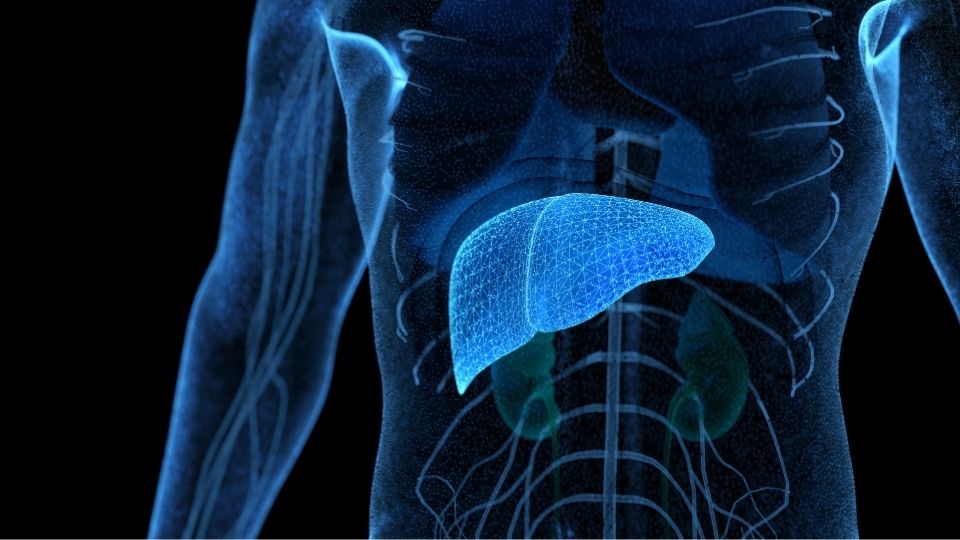
Hepatitis C is a viral infection that causes inflammation of the liver. Over time, untreated hepatitis C can lead to serious liver damage, including fibrosis (scarring), cirrhosis, liver cancer and end-stage liver disease.
Many people with hepatitis C do not experience symptoms for years, making screening and early diagnosis important. With today's advanced treatments, hepatitis C is highly curable, and early treatment can help prevent long-term liver complications.
Why Hepatitis C Screening Matters
Because hepatitis C often causes no noticeable symptoms, many people don't know they are infected until significant liver damage has occurred.
A simple blood test can identify whether you have been exposed to the hepatitis C virus. If the initial screening is positive, additional testing can determine whether the infection is active and whether treatment is recommended.
Early diagnosis and treatment can help:
- Prevent liver damage
- Reduce the risk of cirrhosis
- Lower the risk of liver cancer
- Improve long-term health outcomes
- Eliminate the virus before complications develop
Who Should Be Screened for Hepatitis C?
Hepatitis C screening is recommended for adults who may be at increased risk of infection, including:
- Individuals born between 1945 and 1965
- People who received a blood transfusion or organ transplant before 1992
- Individuals who have received long-term hemodialysis
- Those who have injected or used recreational drugs
- People who received tattoos or piercings in unregulated settings
- Healthcare workers who may have been exposed to infected blood
- Anyone with known risk factors or previous exposure to hepatitis C
Even if you feel healthy, screening can identify an infection before symptoms develop.
Signs and Symptoms of Hepatitis C
Many people with hepatitis C have no symptoms. When symptoms occur, they may include:
- Fatigue
- Nausea
- Loss of appetite
- Abdominal pain
- Dark urine
- Diarrhea
- Easy bruising<
- Jaundice (yellowing of the skin and eyes)
Advanced liver disease may lead to:
- Swelling in the abdomen, legs or feet
- Mental confusion
- Significant fatigue and weakness
- If you are experiencing symptoms or believe you may have been exposed, talk with your provider about hepatitis C testing.
Hepatitis C Testing and Diagnosis
Hepatitis C screening begins with a blood test that looks for antibodies to the virus. Antibodies indicate that your body has been exposed to hepatitis C at some point.
If antibodies are detected, additional testing can determine whether the virus is still active in your body. Your provider may also recommend liver function tests and other diagnostic evaluations to assess liver health and guide treatment.
Hepatitis C Treatment
Advances in treatment have transformed how hepatitis C is managed. Today's medications are typically taken by mouth once daily and can eliminate the virus in as little as eight to 12 weeks.
Benefits of modern hepatitis C treatment include:
- High cure rates
- Short treatment duration
- Effective treatment for many stages of liver disease
- Minimal side effects compared to older therapies
Successful treatment removes the virus from the body and helps reduce the risk of future liver complications.
Expert Liver Care at Franciscan Health
The specialists at Franciscan Health provide comprehensive care for patients with hepatitis C and other liver conditions. From screening and diagnosis to personalized treatment plans, our team is committed to helping you protect your liver health and achieve the best possible outcomes.
Request an appointment today to learn more about hepatitis C screening, testing and treatment options.