Request An Appointment
Don't wait, prioritize your health. Find the right Franciscan Health doctor for your needs, and request an appointment today.
Search the site for providers, locations, and content.
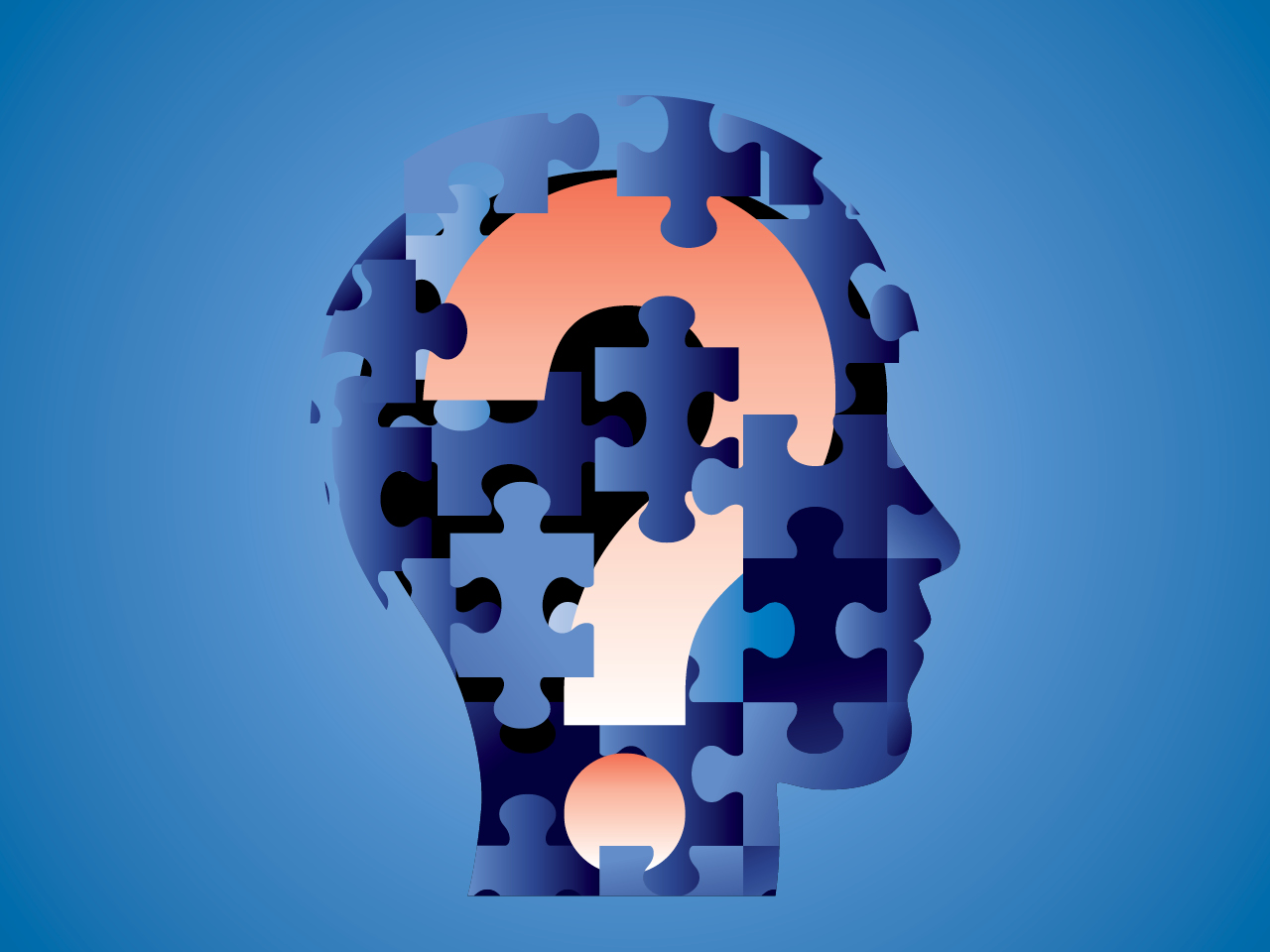
Many people use the words Alzheimer’s and dementia interchangeably. But while they’re related, they’re not the same.
As people live longer, dementia has become more common. According to the Alzheimer’s Association, nearly 7 million Americans are living with Alzheimer’s disease today. That number is expected to rise.
Many families feel unsure about what memory changes mean or when to be concerned. In this article, you’ll learn the difference between Alzheimer’s and other dementias, what causes Alzheimer’s, what symptoms to look for, when to reach out to your doctor and how Franciscan Health can help.
You might have heard the word “dementia” before. It’s a general term for conditions that affect memory, thinking and daily life. Dementia isn’t one specific disease, but a group of symptoms caused by changes in the brain.
Alzheimer’s is the most common form of dementia, accounting for 60 percent to 80 percent of cases. Other types include vascular dementia, Lewy body dementia, frontotemporal dementia and Parkinson’s disease dementia.
There’s another common misconception around the disease.
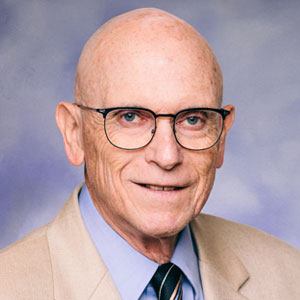
“It’s a common belief that memory loss or confusion is just part of aging, but that’s not the case,” said Keven Dodt, MD, a family and geriatric medicine doctor with Franciscan Physician Network Primary Care & Geriatric Medicine Lafayette East. “Dementia isn’t a normal stage of growing older. It’s the result of conditions that damage brain cells. Understanding that difference helps families seek care sooner and support their loved ones more effectively.”
Like dementia, Alzheimer’s disease affects how a person thinks, learns and remembers. Over time, it can change how someone communicates and interacts with others.
According to the Alzheimer’s Association, changes in the brain begin long before symptoms appear. Because Alzheimer’s disease starts in the part of the brain that affects learning, the first signs are often changes in memory, as well as poor thinking and reasoning skills.
Most people with Alzheimer’s are 65 or older, but younger people can also develop it. When symptoms appear earlier, it’s called early-onset Alzheimer’s disease.
Memory loss that goes beyond normal aging is often the first sign of Alzheimer’s. People may struggle to remember everyday things or find it challenging to think clearly.
You may notice when someone:
“We all have moments when we forget a word or misplace an item, that’s part of being human,” said Dr. Dodt. “What sets Alzheimer’s apart is the pattern — repeated memory lapses, confusion about time or place, and difficulty managing familiar activities.”
People with Alzheimer’s disease often have trouble with numbers. They may find it hard to pay bills, keep track of appointments or manage other everyday tasks. Eventually, they may not be able to do simple math or recognize numbers.
“A Franciscan provider can help you understand what’s normal and what might need further evaluation,” Dr. Dodt said. “They can guide you toward care that supports both your health and peace of mind.”
Researchers aren’t sure why some people get Alzheimer’s, but they think it has to do with a mix of things: your environment, past injuries, other diseases and your genes.
If you have a parent or sibling diagnosed with Alzheimer’s, your risk is slightly higher. However, the role of genetics is not entirely understood.
A moderate to severe head injury can trigger long-term changes in the brain’s structure and chemistry. Heart disease, depression and sleep disorders may also play a part.
As Alzheimer’s disease progresses, it can also affect mood and behavior. People may wear summer clothing in cold weather, leave food unattended while it is cooking or make other poor decisions. They might also become confused, anxious or withdrawn.
Common changes include:
Despite these challenges, people with Alzheimer’s can still enjoy activities like reading, music, dancing or crafts — especially with the support of loved ones and caregivers.
While there’s no cure yet, new treatments and support services offer hope for families.
Your doctor may prescribe medications that temporarily slow memory loss or confusion. New drugs are also in development to target the underlying causes of the disease.
Supportive therapies, brain exercises and lifestyle changes can help individuals and families maintain function and independence for as long as possible.
If you or a loved one notice memory changes, talk with your Franciscan Health provider. Early diagnosis can make a meaningful difference in care and quality of life.
An early diagnosis can bring a range of benefits for you or your loved one:
Living with Alzheimer’s disease is challenging, not only for the individuals diagnosed but also for their family members and caregivers. At Franciscan Health, our team provides compassionate care and guidance rooted in faith. We are here to help you and your loved ones find strength and hope. Learn more about the Franciscan Health brain care team.

Family Medicine +1 more
Accepting new patients
Franciscan Physician Network
