Request An Appointment
Don't wait, prioritize your health. Find the right Franciscan Health doctor for your needs, and request an appointment today.
Search the site for providers, locations, and content.
An estimated 1 in 133 Americans, or about 1% of the population, has celiac disease, but 83% of people don’t know. Unchecked, celiac disease can lead to increased risks of heart disease, certain autoimmune diseases and certain cancers.
So, what are the signs of celiac disease that someone should look for?
According to the Celiac Disease Foundation, celiac disease is a serious autoimmune disease where the ingestion of gluten leads to damage in the small intestine.
When people with celiac disease eat gluten (a protein found in wheat, rye and barley), their body mounts an immune response that attacks the small intestine. These attacks lead to damage on the villi, small fingerlike projections that line the small intestine, that promote nutrient absorption. When the villi get damaged, nutrients cannot be absorbed properly into the body.
People with celiac disease have inherited genes that make them sensitive to gluten. However, not everybody with such genes shows signs of the disease. It is recommended that first degree relatives get tested for celiac disease.
Scientists believe the disease needs to be "turned on" before it can cause any problems. Large amounts of gluten during infancy and early childhood seem to help set the disease in motion. Some adults first notice symptoms after injury, infection, childbirth, or period of severe stress.
Other factors may contribute to developing celiac disease, including a higher number of infections early in life, according to the U.S. National Institute of Diabetes and Digestive and Kidney Diseases. Changes in the gut microbiome may also play a role. The microbiome is involved in digestion.
Celiac disease symptoms can vary widely from person to person and tend to change with age. According to Beyond Celiac, there are more than 300 celiac disease symptoms, a serious genetic autoimmune disease. Symptoms may vary among different people. Some of the most common celiac disease symptoms and signs include:
Children with celiac disease may show symptoms of:
Infants often have stomach pain and diarrhea (possibly bloody) and may be slow to gain weight.
In toddlers and older children, common celiac disease symptoms are nausea, stomach pain, a lack of appetite, anemia, mouth sores and a blistering rash. The rash, most often found on the elbows, knees, or buttocks, may be the only indication of the disease. Children who don't absorb enough nutrients can show signs of malnourishment. They may become pale and thin with a bulging stomach. The disease may delay puberty and slow down growth in the teenage years.
Adults who develop celiac disease may have only mild intestinal problems, but most don't get off easy. Adult patients often feel tired, irritable, and depressed. And because celiac disease can block the absorption of calcium and iron, many adult patients develop osteoporosis and anemia.
Blood tests are the first step in a diagnosis of celiac disease. A doctor will order one or more of a series of blood tests to measure your body’s response to gluten. One checks for elevated levels of antibodies that indicate an immune reaction to gluten. Genetic testing for human leukocyte antigens (HLA-DQ2 and HLA DQ8) can be used to rule out celiac disease.
Those who are diagnosed with celiac disease need to completely and permanently avoid any form of gluten in their diets, according to the American Academy of Allergy, Asthma & Immunology. The assistance of a dietitian or nutritionist is recommended.
If your blood tests come back negative, there is still a small chance you could have celiac disease. If you still suspect celiac disease, or if you are continuing to experience symptoms after a negative blood test, talk to your doctor about performing further tests such as an endoscopy or genetic screenings.
Your health care provider may also order an endoscopy, a procedure that allows a sample of tissue to be taken from the small intestine for analysis. A capsule endoscopy may also be ordered. It uses a tiny, wireless camera to take pictures of your intestine. The camera is placed in a capsule the size of a vitamin and is swallowed like a pill.
Some patients have celiac disease symptoms, but their blood tests and endoscopies are negative or normal. This condition has been called non-celiac gluten sensitivity (NCGS). The symptoms may be like celiac disease and improve when gluten is eliminated from the diet and return when gluten containing foods are reintroduced.
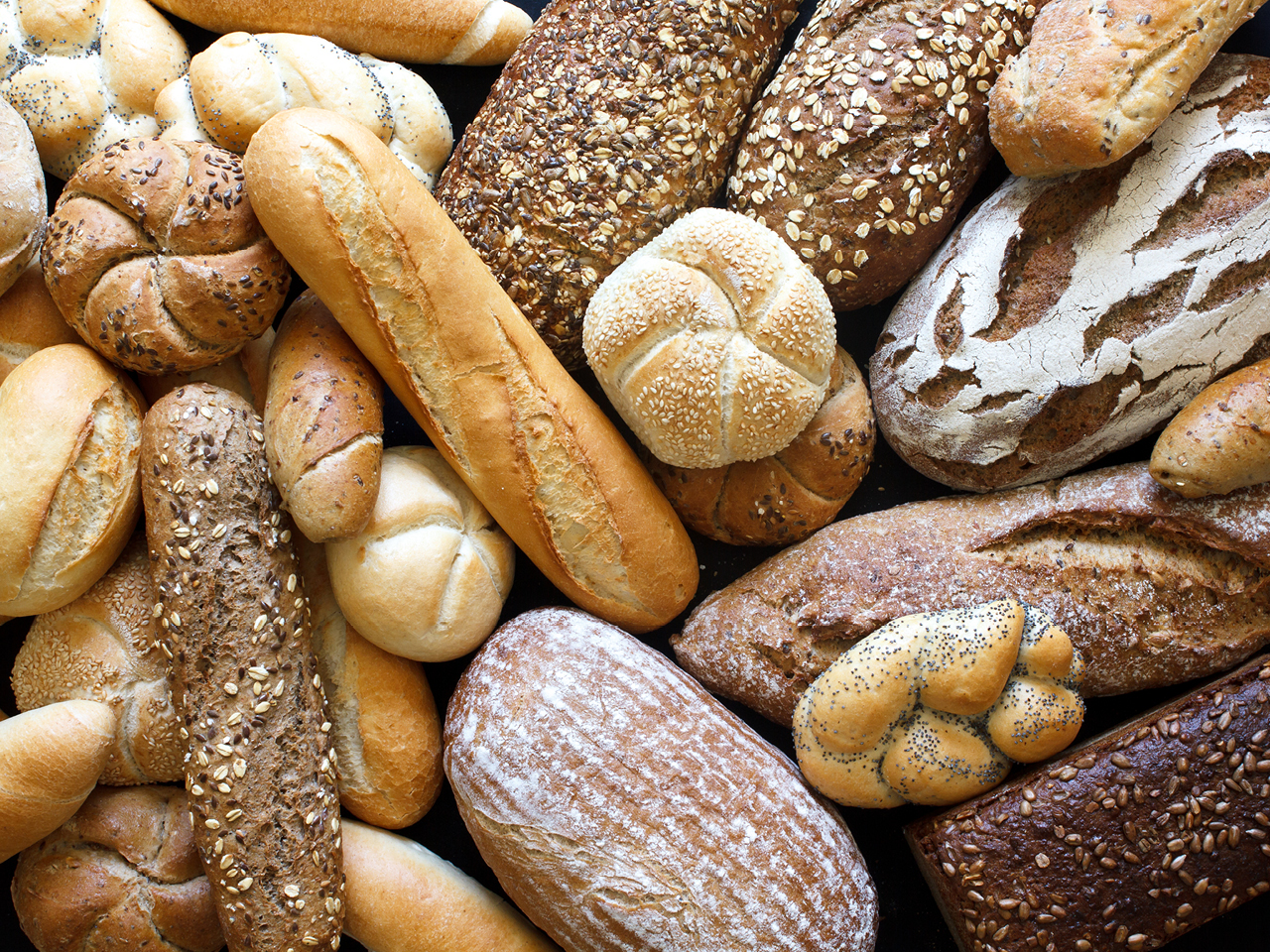
Some foods and drinks that contain gluten include:
Find other surprising sources of gluten.
The Celiac Disease Foundation says that treatment for both celiac disease and non-celiac gluten/wheat sensitivity is lifelong adherence to a strict gluten-free diet. Only food and beverage with a gluten content less than 20 parts per million (ppm) is allowed. Gluten can lurk in strange places, from soy sauce to luncheon meat. To protect yourself, you'll have to learn to avoid gluten in all its forms.
People with celiac disease soon become experts at reading labels. Watch for any mention of the forbidden grains. Also look out for hydrolyzed vegetable protein, textured plant protein, or hydrolyzed plant protein. These can be made of either corn or soy (safe foods) or corn or soy mixed with wheat (unsafe). Contact the manufacturer if you have any questions or concerns.
There is no cure or treatment for celiac disease other than a gluten-free diet. Medications such as steroids may be used if your intestine is inflamed or damaged. In severe cases, drugs used to treat autoimmune diseases, such as azathioprine (Azasan, Imuran) or budesonide (Entocort EC, Uceris), may relieve symptoms.
People with celiac disease have a two times greater risk of developing coronary artery disease and a four times greater risk of developing small bowel cancers.
Untreated celiac disease can lead to the development of other autoimmune disorders:
