
Request An Appointment
Don't wait, prioritize your health. Find the right Franciscan Health doctor for your needs, and request an appointment today.
Search the site for providers, locations, and content.
Yeast can cause infections in many parts of the body. For women, one of the most common yeast infections affects women’s genital tracts.
Often a yeast infection affects the vagina and vulva (the internal and external female genitalia). Three-fourths of women will contend with this common fungal infection at some point in their lives, and many will have them more often. Because this condition is so common, it’s good to know what to watch out for and what to do to get rid of a yeast infection.
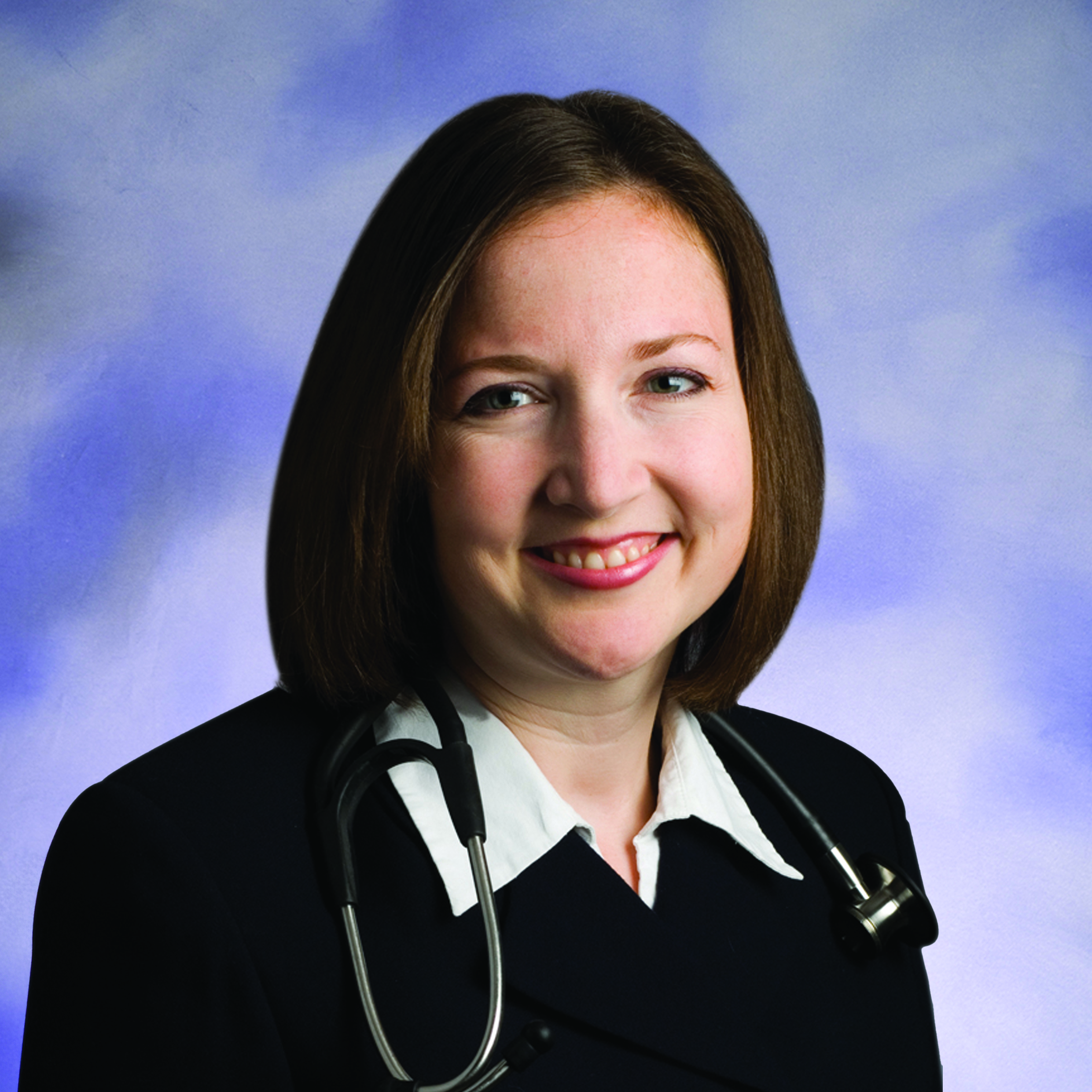
Pamela Lynch, MD, a family medicine doctor with Franciscan Physician Network in Mooresville, offers information about yeast infection symptoms, treatments, prevention and more.
A yeast infection – or vulvovaginal candidiasis – is caused by an overgrowth of the fungal organism Candida. It’s important to know that a yeast infection is not a sexually transmitted disease.
“While up to 20% of women can have Candida species existing as part of the normal vaginal flora, a yeast infection is an overgrowth of these organisms,” said Dr. Lynch.
This overgrowth results in irritation that leads to itching and swelling of the vagina or vulva.
The Office of Women's Health notes that several factors can also increase your risk of developing a vaginal yeast infection, including:
Some women develop yeast infections and don’t have any symptoms. We let the body fight off the yeast and regain balance on its own if the infection is mild and is not causing symptoms.
When yeast infection symptoms do occur, they may include:
Severe yeast infections also may cause a visible rash.
A typical yeast infection is not dangerous. Some women – particularly those who’ve had yeast infections in the past – can easily recognize their symptoms and treat themselves with over-the-counter therapies without needing to see a doctor.
Several over-the-counter yeast infection treatments are available at most pharmacies and grocery stores. Some of these therapies treat the infection itself, like miconazole, which is an antifungal medication. Others, like Vagisil, help relieve symptoms– such as reducing itchiness – but do not actually treat the underlying yeast infection.
You should seek medical attention for a yeast infection if you have:
If you’ve recently seen your primary care doctor or OBGYN, they may be able to diagnose your yeast infection and prescribe treatment via a quick phone call or telehealth visit. Testing may not be needed if you recently had a Pap smear and were screened for sexually transmitted infections already, or have not had exposures to other infections that would need to be evaluated for.
“You may have a classic history with recent antibiotic use that would make it a logical conclusion that you would now have a yeast infection,” Dr. Lynch said.
If your doctor determines you need prescription medication for your yeast infection, you can select an oral pill or a vaginal cream. Both types of medications are effective, but topical is always the safer option to start with. For complicated infections, your healthcare provider may advise you of other treatment options.
“Again, most yeast infections are not especially dangerous,” said Dr. Lynch. “However, not treating the underlying infection can result in persistent or worsening symptoms that may be increasingly bothersome.”
These symptoms can be aggravating, upsetting and painful if not promptly treated.
Doctors define a recurrent yeast infection as three or more symptom-causing infections in a year. Some women are simply more prone to getting yeast infections than others, and experts do not know exactly why this is the case.
Some causes of recurrent yeast infections can include:
Though you can’t completely avoid getting a yeast infection, you can take some steps to help reduce your chances of developing one, including:
If you have troubling or recurrent yeast infections or another health concern and need to see a doctor, find a Franciscan Health primary care provider or OBGYN. We’re here to help you get on the road to improved health.

Family Medicine
Accepting new patients
Franciscan Physician Network
