Pituitary tumors are common (by some estimates about 1 in 4 people has one) and are rarely cancerous, and most never cause symptoms.
When symptoms do occur, they can include vision loss from pressure on the optic nerves or hormone imbalances that cause fatigue, headaches, fertility problems, menstrual changes, and unexplained weight changes.
Most people need only monitoring, but treatment may include medication, surgery, or radiation, and anyone with hormone symptoms or vision problems should see their primary care provider or eye doctor.
Surgery for pituitary tumors is usually done through the nose . Most patients go home within two days and return to normal routines in about a month, and long-term monitoring is needed because tumors can grow back.
Pituitary tumors are more common than you think. You can have one for years without knowing it. The good news is that they’re almost always benign, which means they aren’t cancer.
Sometimes, though, these tumors grow large enough to affect your vision or throw off your hormones. Kushal Shah, MD, an independent neurosurgeon who chooses to practice at Franciscan Health Indianapolis, explains what pituitary tumors are, what symptoms to watch for and how they’re treated.
What Is The Pituitary Gland?
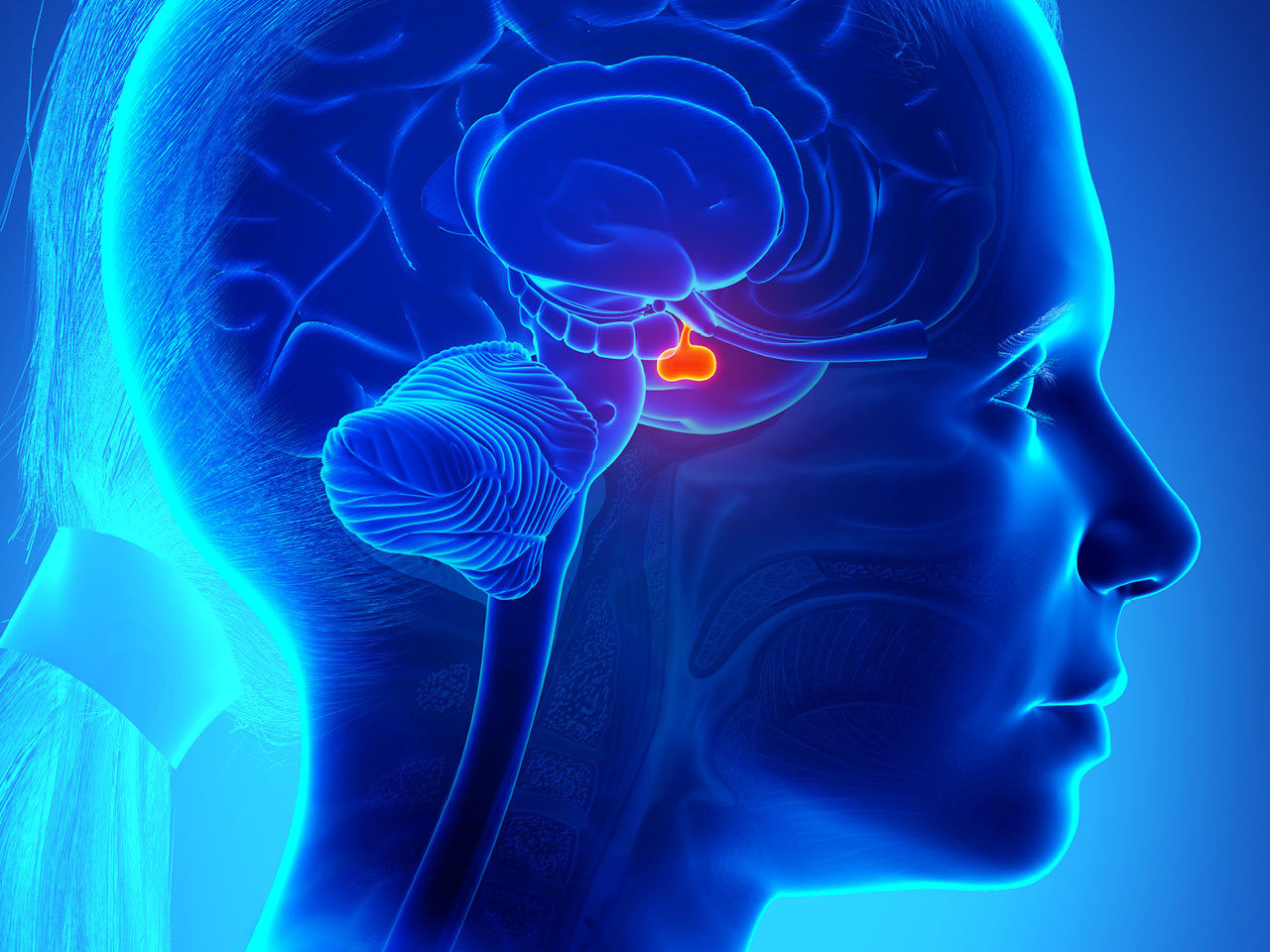
Your pituitary gland is a small organ that hangs from the base of your brain. It’s often called the “master gland” because it signals other glands, like your thyroid and adrenal glands, how much of each hormone to make. Those hormones play a role in growth, reproduction, sexual function and other body functions.
A pituitary tumor is an abnormal growth in the pituitary gland. Most are a type called pituitary adenomas.
Who Gets Pituitary Tumors?
Pituitary tumors show up most often in adults in their 30s and 40s. They’re uncommon in children and teens, but they can happen.
“I really enjoy taking care of patients with pituitary tumors,” said Dr. Shah. “These are benign, not cancerous. Many patients don’t have any symptoms.”
Most pituitary tumors aren’t inherited. The exception is a rare genetic condition called multiple endocrine neoplasia, which affects several hormone-producing glands. Pituitary tumors are one of several kinds of brain tumors, and our guide to brain tumor symptoms explains how the others differ.
What Symptoms Can A Pituitary Tumor Cause?
Your symptoms depend on the tumor’s size and whether it’s making hormones.
Vision changes
A pituitary tumor that presses on the optic nerves can cause vision problems by taking away your peripheral, or side, vision. This is often called tunnel vision.
Because these tumors grow slowly, many people don’t notice the change. “People learn, ‘Well, I just turn my head a little bit. I do OK,’” said Dr. Shah.
An eye doctor often catches it during a routine exam. Sometimes a family member notices first because you keep bumping into things.
Hormone changes
Most pituitary tumors are nonfunctional, which means they don’t release extra hormones. Functional tumors do, and the symptoms depend on which hormone they overproduce.
Prolactinomas are the most common type. They can cause breast milk production in women who aren’t breastfeeding and sometimes in men, along with fertility problems.
Growth hormone tumors can cause acromegaly, which thickens the bones of the face, hands and feet. In young people whose growth plates haven’t closed, they can cause gigantism.
Tumors that produce cortisol cause Cushing’s disease, which can cause weight gain, high blood pressure and high blood sugar.
Other signs of a hormone imbalance include:
Feeling tired or weak
Headaches
Loss of body hair
Lower sex drive
Menstrual changes
Trouble with erections
Unexplained weight loss or gain
Is A Pituitary Tumor A Big Deal?
“A pituitary tumor is not a big deal unless it causes symptoms,” Dr. Shah said. “Some of my patients have had a pituitary tumor for years without any problems. I monitor them with routine check-ins and imaging studies to make sure the tumor isn’t causing problems.”
Pituitary tumors can grow during pregnancy because of the connection between the pituitary gland and your hormones. If you have a pituitary tumor and are pregnant or plan to be, let your care team know.
When Should I See A Provider About A Pituitary Tumor?
Schedule an appointment if you experience:
Loss of side vision
Frequent headaches
Unexplained hormonal changes
Irregular menstrual cycles
Fertility problems
Unexplained weight gain or loss
New sexual dysfunction symptoms
Seek immediate medical care if symptoms suddenly worsen or vision rapidly declines.
How Are Pituitary Tumors Diagnosed?
Most people learn they have a pituitary tumor by accident. It shows up on a brain scan that may have been ordered for a different reason.
If you have hormone-related symptoms, see your primary care provider. If you have vision problems, see your eye doctor. Your provider may order a vision test, blood tests and a magnetic resonance imaging (MRI). MRI is the best test for finding a pituitary tumor. If you can’t have an MRI, for example because you have a pacemaker, a CT scan is the next best option.
Depending on your results, your next step may be to see a neurosurgeon or an endocrinologist, a doctor who specializes in hormone-related conditions.
What’s The Difference Between A Microadenoma And A Macroadenoma?
Doctors sort pituitary tumors by size. The dividing line is 1 centimeter, a little less than half an inch.
Microadenomas are smaller than 1 centimeter. They usually cause symptoms only if they make too much of a hormone.
Macroadenomas are 1 centimeter or larger. Because of their size, they’re more likely to press on the optic nerves that sit just above the pituitary gland.
What Should I Look For In A Medical Team If I Have A Pituitary Tumor?
“You want to find a care team that has experience treating pituitary tumors and communicates with each other about your treatment. That’s what you’ll find at Franciscan Health,” Dr. Shah said. “We have primary care providers, endocrinologists, neurosurgeons and ophthalmologists who see many people with pituitary tumors. We collaborate to ensure you get the specialized care you need.”
How Are Pituitary Tumors Treated?
Surgery is usually recommended if the pituitary tumor presses on the optic nerves or makes too much growth hormone or cortisol. However, prolacin secreting tumors are the exception and rarely need surgery.
“Instead of surgery, we’re able to give them a medication that they take just like a blood pressure medicine or cholesterol medicine,” said Dr. Shah. “Most people respond really, really well.”
If the tumor is too close to delicate structures in the brain, or you can’t have surgery for another reason, your care team may recommend radiation therapy to control it.
What Happens During Pituitary Tumor Surgery?
At Franciscan Health, a neurosurgeon and an ear, nose and throat (ENT) surgeon work together to remove the tumor through the nose. There’s no incision.
“Pituitary tumor surgery is one of my favorites, partly because patients do so well afterward,” said Dr. Shah. “Most patients return home within two days, and within a month, they are back to their usual routine.”
Will My Vision Come Back After Surgery?
For most people, yes, your vision is expected to come after surgery.
Dr. Shah usually tests your vision before surgery and again three to four months after. “The majority of patients have had improvement or complete resolution of their vision,” said Dr. Shah.
Do Pituitary Tumors Grow Back After Treatment?
“There is a possibility of regrowth even if the surgeon removes the tumor perfectly or radiation therapy shrinks it to nothing. That’s why we monitor patients long-term,” Dr. Shah said. “If the tumor grows back, we might do another surgery or radiation therapy, depending on the situation.”
Most pituitary tumors are benign and never cause problems. If you notice changes in your peripheral vision or signs of a hormone imbalance, talk with your provider. Most people who need treatment recover well and get back to their routine quickly..
Frequently Asked Questions: Pituitary Tumors
Most pituitary tumors are benign, which means they aren’t cancerous.
Sometimes, pituitary tumors can grow large enough to affect your vision. Vision may be restored after surgery.
Your doctor may recommend surgery for a pituitary tumor if the tumor presses on the optic nerves or makes too much growth hormone or cortisol.
If surgery is not recommended, your medical team may recommend radiation therapy to control the tumor.
Pituitary tumors may return, so follow-up monitoring with your medical team is recommended.