
Request An Appointment
Don't wait, prioritize your health. Find the right Franciscan Health doctor for your needs, and request an appointment today.
Search the site for providers, locations, and content.
Hot flashes are one of the most common and challenging symptoms of menopause. For many women, hot flashes begin during perimenopause — the transition period leading up to menopause, and they can last for several years after. Some say that hot flashes are more intense during the first and second years of menopause. Some research studies have shown the mean duration of moderate/severe hot flashes was 4.9 years, but few women continued to experience moderate/severe hot flashes for 10 years after their final menstrual period.
While hot flashes can be uncomfortable, you don’t have to suffer. Understanding what hot flashes are, why they happen and how to manage them can help you take control and find relief.
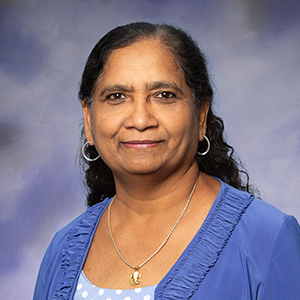
Padmaja Sanaka, MD, a board-certified OBGYN with Franciscan Physician Network in Winfield, Ind., shared her expert advice on hot flashes and what you can do to manage them.
Hot flashes feel like an intense heat rising from inside your body.
“Each patient is different,” Dr. Sanaka explained. “Some women will feel like they’re blowing up and it will go away in a few minutes. Some patients don’t feel anything.”
Hot flashes may begin as sudden sensation of heat in face or upper body that rapidly becomes generalized. The sensation of heat often lasts from two to four minutes, and it may be associated with profuse sweating and a feeling of anxiety. Hot flashes may range from an average of less than one each day to as many as one per hour.
While most women will experience hot flashes during menopause, some may start during the perimenopause phase, and for others, they may last well into post-menopause. The average age of menopause is around 51, but some women can be prematurely menopausal before age 40. Each person has a different experience with hot flashes.
In a healthy menopausal woman, hot flashes are related to the decrease/withdrawal of estrogen.
Hot flashes are mediated by thermoregulatory dysfunction at the level of the hypothalamus in brain.
For some women, the experience can be overwhelming.
There is also genetic predisposition/reason for hot flashes. Usually there is family history of hot flashes.
Most hot flashes happen for women in the first two to five years after menopause, but they do eventually lessen for most women.
You can have hot flashes for as long as 10 years, depending on when you had your first one. A small number of women say they never go away completely. It’s uncommon for a woman to experience a recurrence of hot flashes more than 10 years after the start of menopause.
If you’re well past menopause and suddenly start having hot flashes again, it could be a sign of an underlying health condition.
“Unexpected hot flashes or ones that start suddenly past menopause — even night sweats — need to be discussed with your primary care or gynecology doctor” Dr. Sanaka said. “It can be a sign of other health problems such as medication side effects, thyroid disease or even certain cancers.”
You can do it! You can manage your hot flashes and find relief. Talk to your provider about what works best for you. Dr. Sanaka offered a few approaches that may bring you relief:
Hormone therapy (HT) is one of the most common and effective treatments prescribed for managing menopause symptoms.
“Hormone therapy is the first way to go,” Dr. Sanaka said. “The Menopause Society recommends hormone replacement as a first line of treatment.”
The therapy works by replenishing hormones, mainly estrogen and progestogens, that are decreased during menopause. The FDA approved HT as a first-line treatment for relieving bothersome symptoms, including hot flashes, night sweats and sleep problems.
Your doctor can discuss with you whether hormone replacement therapy is right for you or not, particularly if you have:
Hormone therapy starts at low doses to minimize risks to patients.
There are non-hormonal treatments available to treat hot flashes. Medicines typically used for anxiety or depression, such as selective serotonin reuptake inhibitors (SSRIs), can reduce hot flashes.
The Menopause Society suggests a number of treatment options for hot flashes in women who cannot take hormone therapy. These include cognitive-behavioral therapy, SSRIs, SNRIs, oxybutynin, gabapentin and fezolinetant.
Many women find relief from hot flashes by making simple changes to their daily routines. Here are a few tips that may help (not recommended by Menopausal Society though):
Hot flashes can be incredibly disruptive at night. They lead to what’s known as night sweats. These intense sweating episodes can wake you up in the middle of the night.
Your doctor may recommend a sleep study. It’s important to determine if the sleep issues are related to hot flashes or another condition, such as sleep apnea, restless legs syndrome or a chronic illness.
Hot flashes are a normal part of menopause for many women, but if they impact your daily life or last longer than expected, don’t hesitate to reach out to your primary care physician or OBGYN for help.
Please seek advice from your healthcare provider if:
“You don’t have to suffer with symptoms,” Dr. Sanaka said. “It comes to personal life preference.” You can find a provider if you need one.
Hot flashes can be one of the most uncomfortable symptoms of menopause, but understanding why they happen and exploring your options for relief can help you manage them effectively. If you struggle with hot flashes, schedule an appointment with your provider to learn how you can take control of your symptoms.

Obstetrics & Gynecology
Accepting new patients
Franciscan Physician Network
