Get Help On Healthy Eating
From disease-specific nutrition advice to weight loss and diet expertise, Franciscan Health's registered dietitians are here to help.
Search the site for providers, locations, and content.
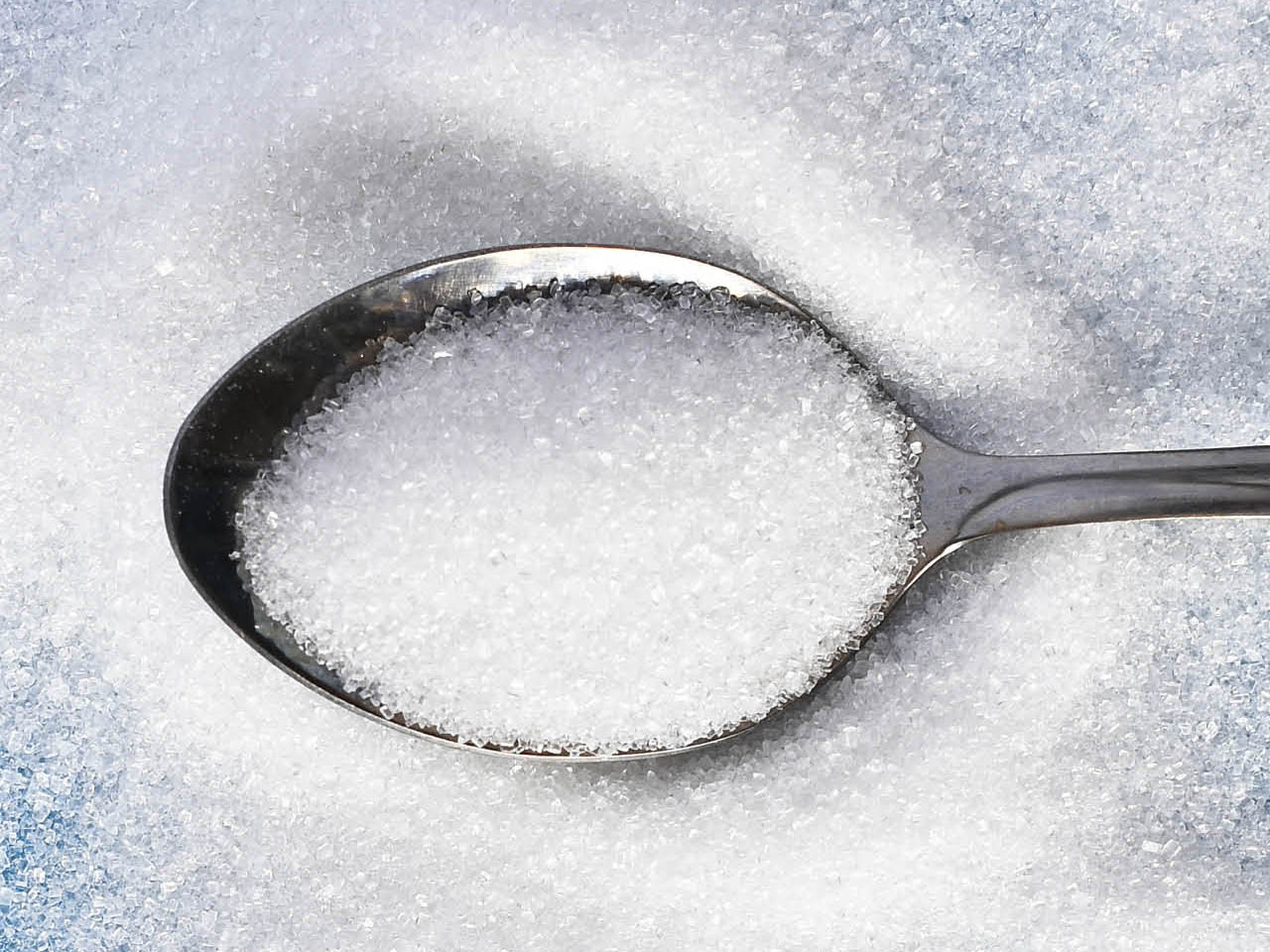
People are getting the message about the dangers of sugar. Nearly 70% of Americans have cut back on foods high in added sugars, according to a survey by the International Food Information Council Foundation. But there's still a long way to go.
One of the key ways to reduce your sugar intake is by drinking plain water or low- and no-calorie beverages instead of soda and flavored waters. Pre-sweetened beverages represent half of all the added sugars we eat. Note that while 100% juices have only natural sugars, they don't have the fiber found in the whole fruit and could cause blood sugar spikes, so you need to be judicious about your intake.
It's also important to know the various names sugar goes by. There are dozens of added sweeteners used in processed foods, according to the University of California, San Francisco's SugarScience. They include various types of sugars, syrups and other ingredients ending in "ose," like fructose, dextrose and maltrose.

To uncover sources of sugar in your diet, read the ingredients label of every food you buy, including those you may not associate with sugar, like yogurt, protein bars, whole grain cereals and even some salty snacks. And just because a label says no "high-fructose corn syrup" doesn't mean it's free of all added sugars.
You may know to look for names like sucrose and high-fructose corn syrup on your food labels. But keep an eye out for these other terms on the nutrition label for hidden sugars:
Find ways to satisfy your sweet tooth naturally, such as with fresh or no-added-sugar frozen fruits. And when cooking, you can safely reduce the sugar in recipes by a third. Also, experiment with sugar substitutes. Some are formulated especially for baking.
Compared to refined sugar, fruit is a much better option for regular consumption. Fruit is paired with beneficial vitamins, minerals and nutrients, including fiber, which slows the digestion of sugar resulting in more controlled blood sugars. It has been shown that increased consumption of fruit is associated with a lower risk of type 2 diabetes as long as total calories does not exceed needs. This is particularly true for fiber-rich fruits such as apples, pears, kiwis and strawberries.
When baking, you can use extracts like vanilla, almond and peppermint to add flavor and complexity. Instead of adding chocolate chips, use dried fruit, like cranberries or cherries.
