Understanding Breast Cancer-Related Lymphedema

Key Takeaways: Lymphedema After Breast Cancer
- Lymphedema is swelling caused by a buildup of lymph fluid after breast cancer treatment. This condition can occur after breast cancer surgery.
- Early-stage lymphedema can often be managed before symptoms worsen.
- Strength training is now considered safe for most breast cancer survivors.
- Compression therapy and specialized rehabilitation can reduce swelling and improve function.
- Talk to your doctor if you notice swelling, heaviness or tightness in your arm or breast.
After breast cancer treatment, some people notice swelling, tightness or heaviness in their arm, breast or chest. These symptoms can make everyday activities uncomfortable and may be a sign of lymphedema, a common side effect of lymph node removal or radiation therapy. The good news is that early treatment can help manage symptoms and, in some cases, prevent them from getting worse.
Understanding lymphedema, including its causes, symptoms and management, is crucial to regaining control and comfort in your daily life. Franciscan Health occupational therapist Shelby Larsh, OT, CLT, and medical oncologist Patrick Heckman, DO, provide expert insight into breast cancer-related lymphedema.
What Is Breast Cancer-Related Lymphedema?
Breast cancer-related lymphedema can occur after breast cancer surgery, such as a lumpectomy or mastectomy. Lymphedema is swelling caused by a buildup of lymph fluid between the skin and muscle. It often develops in the arms, but it can affect other parts of the body too. Swelling can come on quickly or develop gradually over several months.
“Removing lymph nodes during these procedures can change the lymphatic system’s structure. It can potentially lead to fluid build-up and swelling in the affected areas,” said Larsh. “This occurs because the lymph vessels that remain cannot adequately drain.”
What Can Increase My Risk Of Lymphedema?
Knowing your risk factors is key to prevention and early detection:
- Lymph node removal: The extent of removal directly impacts risk. About 5–17 of people who have a sentinel lymph node biopsy develop lymphedema, compared with 20–53 percent of those who have more extensive axillary lymph node dissection.
- Radiation treatment: Radiation can cause scar tissue that compresses or narrows the lymph vessels and nodes that remain.
- Excess weight: When you carry extra weight, it can put pressure on lymph nodes and affect lymph flow.
- Infection: Infections can trigger lymphedema or worsen an existing case.
What Are Warning Signs Of Lymphedema?
Watch for these early symptoms of lymphedema after cancer surgery:
- Changes in skin texture, tightness, redness or hardness
- Decreased flexibility in your shoulder, elbow, wrist or hand
- Difficulty fitting your arm into clothing
- Swelling in your breast, chest, shoulder, arm or hand
- Tightness in rings, watches or bracelets
You may also notice breast lymph nodes swelling or changes near the breast itself, including, in some cases, swollen lymph nodes in nipple tissue. These are worth mentioning to your doctor, but they're not the same as classic lymphedema swelling in the arm or hand. Your provider can help you understand what you’re experiencing.
How Can I Prevent Lymphedema After A Mastectomy?
Lymphedema prevention involves a combination of regular monitoring and a few healthy habits, Larsh said. “You can take proactive steps to help reduce the risk of developing lymphedema.”
Steps that can help lower your risk of lymphedema include:
- Maintain a healthy weight and diet
- Get regular medical check-ups, including lymphedema screening
- Use SOZO for lymphedema screening — a device used by Franciscan Health that relies on bioimpedance, which sends a painless electrical current through the body to measure fluid and tissue status
Get more tips on lymphedema protection for cancer survivors.
Can Lymphedema Get Worse Over Time?
Lymphedema symptoms can become worse over time. The National Lymphedema Network outlines a set of progression if lymphedema goes untreated:
- Stage 0 Lymphedema: You may notice heaviness or aching, but visible swelling may not be obvious yet.
- Stage 1 Lymphedema: Swelling may or may not be present. This stage is reversible with treatments such as compression garments.
- Stage 2 Lymphedema: Swelling doesn’t go away with elevation and fibrosis (tissue scarring) begins. This stage is irreversible.
- Stage 3 Lymphedema: Also called lymphostatic elephantiasis, this stage can bring skin thickening and more frequent infections.
What If My Lymphedema Becomes Severe?
Even in severe cases, lymphedema therapy can lead to significant improvement. Ongoing compression wear is usually still necessary to maintain results.
Lymphedema therapy, which is also called complete decongestive therapy, is one of the most effective treatments for lymphedema, Kim said. It combines compression, often with layered bandaging, manual lymph drainage, exercise and skin care, Larsh said.
If you’re a candidate, surgery can also help reduce lymphedema — though it won’t cure it. Your surgery options for lymphedema may include:
- Lymph node transfer: Transfers a healthy lymph node to the affected area
- Lymphovenous bypass: Connects lymphatic vessels to venous vessels to help manage fluid; this and lymph node transfer generally help mild to moderate cases rather than severe, chronic lymphedema
- Debulking: For severe chronic cases, this procedure surgically removes hardened, fibrotic tissue. Most people still need compression garments afterward.
Is Strength Training Safe After Breast Cancer Treatment?
You may have heard you should avoid strength training after breast cancer treatment. That guidance is outdated. Progressive resistance exercise is now considered generally safe for most survivors. Current guidelines from the National Comprehensive Cancer Network (NCCN) support supervised strength training as part of survivorship care.
“Specific exercises to reduce the risk of lymphedema are important,” said Dr. Heckman. “You used to be told to avoid strength training, but those things are really important. It helps maintain muscle mass and reduces the risk of lymphedema.”
The key is how you build up to it. As Larsh explained, it actually helps to use your affected arm: “When you use your muscles, it helps drain lymph fluid from your arms. It also helps keep your muscles flexible and helps reduce scarring.”
The real risk isn’t exercise itself. A lymphedema clinic can help you build strength safely with a plan suited to your surgery and your goals. Always check with your surgeon first about lifting restrictions, especially soon after a lumpectomy or mastectomy.
What Compression Garments And Devices Help Manage Lymphedema?
Compression garments for lymphatic drainage support the movement of lymph fluid back into the body. They also reduce swelling, which helps control arm and hand lymphedema. If chest or breast swelling occurs, a specialized compression bra or vest can help as well, Larsh said.
For more advanced cases, a lymphedema pump, also called a pneumatic compression pump, may be part of your treatment plan. These devices apply gentle, sequential pressure to help move fluid out of the affected limb, usually alongside garments and manual therapy rather than instead of them.
What Self-Care Techniques Help Manage Lymphedema Day To Day?
“Manual lymph drainage (MLD) is a very effective daily routine to enhance lymphatic circulation in the affected arm,” Larsh said. This specialized massage technique helps reduce fluid volume. A lymphedema specialist or therapist can train you how to do MLD at home between clinical sessions.
Should I Wear A Medical Alert Bracelet For Breast Cancer Lymphedema?
Many people with lymphedema wear a medical alert bracelet that flags their affected arm. It's a simple way to let any provider know, whether at a routine visit or in an emergency, to avoid blood draws, IVs, injections and blood pressure cuffs on that side, since extra pressure or trauma there can raise your swelling risk.
When Should I See A Provider About Lymphedema?
Contact your healthcare provider if you notice:
- New swelling in your arm, breast, chest or hand
- Persistent heaviness or tightness
- Decreased range of motion
- Skin redness or warmth
- Symptoms that are getting worse
Early evaluation can help prevent long-term complications and may improve treatment outcomes.
Resources And Support Groups
Breast cancer survivors with lymphedema can find support through the National Lymphedema Network by calling (800) 541-3259 or find a support group near you.
The American Cancer Society ACS CARES is a free online community created by and for people with cancer and their families.
If you've recently had breast cancer surgery and are concerned about swelling or mobility changes, a Franciscan Health rehabilitation specialist can help assess your symptoms and create a personalized treatment plan. If you develop lymphedema, talk to your primary doctor or oncologist about finding a lymphedema specialist near you.
Featured Providers
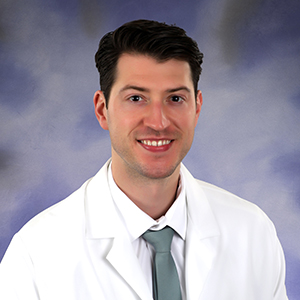
Patrick Heckman, DO
Hematology & Oncology +1 more
Accepting new patients
Franciscan Physician Network
