Don't Wait To Seek Care
Don't wait to get help if you experience any of these heart attack warning signs. Call 911.
Search the site for providers, locations, and content.
Call 911 immediately. Every minute matters. If you suspect a heart attack, do not wait more than five minutes and do not drive yourself to the hospital. Calling 911 ensures faster treatment, earlier medical intervention and improved survival. Delaying care significantly increases the risk of permanent heart damage or death.
Take immediate actions while waiting for help. Chew and swallow an aspirin (unless allergic or advised otherwise by a doctor), take prescribed nitroglycerin as directed and begin CPR or use an AED if someone becomes unconscious. These steps can help stabilize the situation until emergency responders arrive.
Heart attacks have beginnings.
It’s easy to dismiss an early warning sign of a heart attack. Who hasn’t had shortness of breath, lightheadedness, sweating or nausea? Or could that chest pain simply be angina or indigestion?
But second-guessing what to do if someone is having a heart attack could put a life at risk. May adults ignore these warning signs and put themselves at risk for significant damage to the heart muscle, or even death.
In the United States, someone has a heart attack every 40 seconds.
Every year, about 805,000 people in the United States have a heart attack, and three-fourths of these are having their first heart attack.
Cardiovascular diseases claim more lives each year than all forms of cancer and chronic lower respiratory disease combined.
Someone having a heart attack may experience any or all of these symptoms:
“When somebody’s having a heart attack usual symptoms are a profuse sweating, sudden onset of profuse sweating, and they can have chest pains, and they can be short of breath. Those are the common symptoms,” said Babu S. Doddapaneni, MD, FACC, a cardiologist at Franciscan Physician Network Indiana Heart Physicians in Indianapolis. “The best thing is to call 911. Do not drive yourself to the emergency room. Just call 911. That’s the safest and the best option.”
If you think you or someone else is having symptoms of a heart attack, quick action is key. The more time that passes without treatment to restore blood flow in your heart, the greater the damage to the heart muscle.
Don’t ignore or attempt to tough out the symptoms of a heart attack for more than five minutes.
“People will deny they are having a heart attack by actually doing more physically to prove to themselves that they are not having one, or they do not want to upset the event they are currently attending,” said Kathryn Stark, BSN, RN, Heart Failure and Chest Pain Program Coordinator at Franciscan Health Indianapolis. “People also deny their symptoms because they fear they will upset their family and friends.”
Recognizing early heart attack symptoms and what to do if someone is having a heart attack can help avert sudden death and damage to the heart. Early recognition of a heart attack and response saves lives.
Mild symptoms can indicate the onset of a heart attack include:
These symptoms may come and go for hours or days before the chest pain becomes severe.
“You never know when you’re going to come across someone who is having symptoms of a heart attack, but is in denial or resisting medical attention,” Stark said. “Helping people to understand why it is so important to get early care is why EHAC was created in the first place. Knowing what to do can save lives.”
If someone is resistant to getting medical attention to early heart attack signs, the Early Heart Attack Care campaign recommends these steps to help the patient get to care as soon as possible:
"Most people, the sort of symptoms they have is a pressure right in the middle of their chest," said Louis Janeira, MD, a cardiologist with Franciscan Physician Network Indiana Heart Physicians. "The pressure is often described as a pressure or heaviness, sometimes squeezing. It's particularly worrisome when the symptoms come with exercise or activity and relieved by rest. They're also bothersome if they're associated with nausea or a cold sweat or sometimes just feeling the heart racing, that would be very disturbing. If these symptoms occur, then we want people to call 911."
"Women tend to have more of the unusual or, as we would call them, atypical signs or symptoms. They can have different types of pain. So instead of that pressure or heaviness, it could be pain that's described in other ways, Dr. Janeira said. "Sometimes it's just a profound fatigue or weakness that sort of hits all of a sudden."
Some people experience heart attacks without symptoms.
"There's a test that I'm very fond of. I recommended in people over 40 and that's what's called a promo heart scan or a calcium score," Dr. Janeira said. "It helps us identify ahead of time if there are blockages in the arteries and to what degree. We now have a lot of scientific, very robust data that allows us to predict one's risk of a heart attack in the next 10 years based on that score plus the cholesterol levels, blood pressure, family history, and other things of that nature."
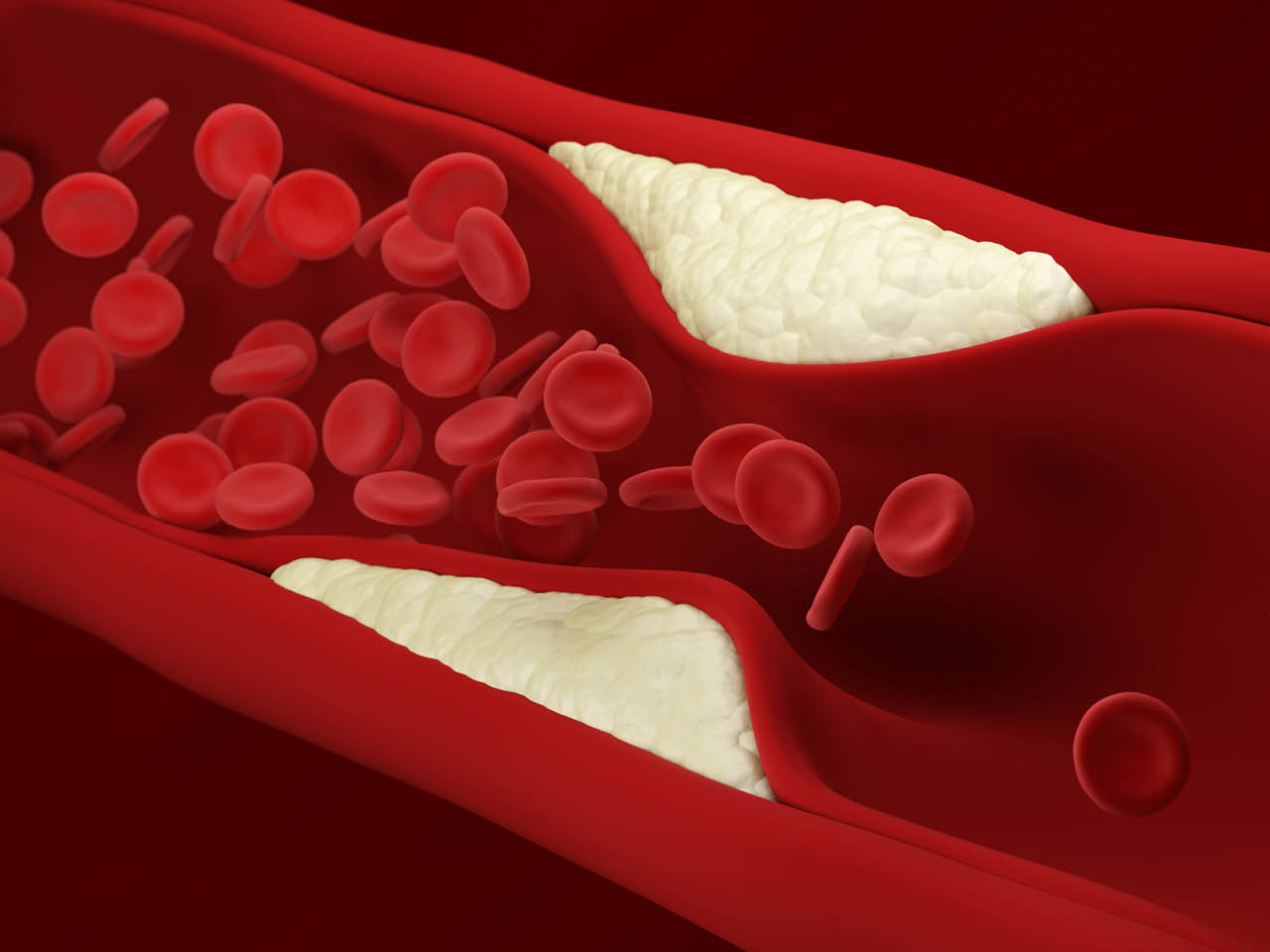
"Arteries are just like fuel lines," Dr. Janeira said. "So the fuel lines get crowded on the inside. We call that atherosclerosis or plaque. These things grow with time. If the artery gets to the point where it's not delivering enough blood flow downstream, if downstream is the heart, a heart attack; if the downstream is the brain, stroke; if the downstream is the leg, then you get into the situation where you sometimes have to amputate legs because of difficulty with blood flow down to the leg.
"But either way, nothing good happens from having blocked arteries. And if the artery blocks completely, there is no blood flow downstream, whatever's downstream getting that fuel won't work and it'll die. The quicker one gets to the emergency room where these arteries can be opened up and allow for a restoration of blood flow, we're just killing cells, we're just killing tissue. And certainly the message of the sooner, the better is very important. Of course, the sooner would be 911 because you can get the fastest into the medical system that way."
"The chances of survival having a cardiac arrest at home are very low," Dr. Janeira said.
Franciscan Health heart teams are nationally recognized for cardiac care. Franciscan Health Indianapolis earned a five-star Healthgrades rating for heart attack treatment for four years in a row, from 2023-2026. Franciscan Health Lafayette East earned the recognition for five years in a row, from 2023-2027.

Cardiovascular Disease
Accepting new patients
Franciscan Physician Network

Clinical Cardiac Electrophysiology
Accepting new patients
Franciscan Physician Network