
Connect With A Cardiologist
Request an appointment with a Franciscan Health cardiologist near you and stay on top of your heart health.
Search the site for providers, locations, and content.
You already know that eating better and moving more are good for your heart. But true prevention looks at the whole picture which includes your diet, weight, stress, sleep and even the supplements you take.
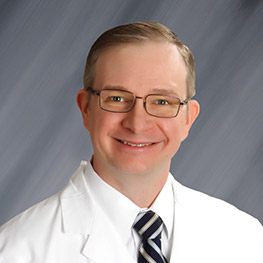
Ryan Daly, MD, FACC, a cardiologist with Franciscan Health Indiana Heart Physicians, and Caitlin Luebcke, DNP, a nurse practitioner with a special interest in women’s cardiology care at Franciscan Physician Network, say simple lifestyle changes can significantly lower your risk of heart disease. Here’s how to take a whole-body approach to better heart health.
A holistic approach to heart health looks beyond a single symptom. It considers your physical, mental and emotional health, and how they work together.
“The way we live our lives is really the foundation of our health,” said Dr. Daly. “The habits you build every day play a major role in your heart health over time.”
Taking care of your heart starts with everyday habits, including:
More than 7 in 10 U.S. adults are above a healthy weight, and about 4 in 10 have obesity, according to the American Heart Association. Losing even a small amount of weight can make a real difference for your heart.
Carrying extra weight puts extra stress on the heart. Over time, that can lead to high blood pressure, high cholesterol and Type 2 diabetes. These are all major risk factors for heart disease and CKM syndrome.
“Your waist size is an unbelievably powerful predictor of chronic disease,” said Dr. Daly. “There’s a deeper type of belly fat that surrounds your organs and that stuff is like kryptonite. It increases your risk of diabetes, high blood pressure, heart disease, even cancer.”
Luebcke agrees, recommending that patients do what they can to maintain a healthy weight as a first line of defense against cardiovascular disease. “Diet and physical activity are the most effective and sustainable tools to get you there,” she said.
Stress is part of life. But over time, long-term can lead to anxiety, depression, irritability, poor sleep, headaches and stomach discomfort. Reflux and muscle tension, especially in the shoulders, are common signs of stress that many people overlook. When stress disrupts your sleep and drains your energy day after day, your heart feels it too.
“Chronic stress leads to chronic inflammation,” said Luebcke. “Try to manage your stress, have frequent social interactions and get mental health support when you need it.” Adding regular exercise, mindfulness and time to recharge into your daily routine can help.
General advice like “eat less and move more” isn’t always helpful without specifics, Dr. Daly said. Here are some ways to adopt a heart-healthy lifestyle:
“The diet that has the most data on it is the Mediterranean diet,” Dr. Daly said. “Think plants, animals, nuts and berries. All the things a caveman would have found. More plants than animals. Lean proteins. No fried foods. Minimize added sugar.”
“We in the cardiovascular world love the Mediterranean diet,” Luebcke said. She said to try to think about it this way:
“Work towards at least 150 minutes of activity each week, the minimum most people don’t reach,” said Dr. Daly. “Most of us are so inactive compared to what we used to do.” Try to incorporate brisk walking, swimming, cycling or the elliptical. The goal is to raise your heart rate on a regular basis.
Track your steps too. Most people are doing under 5,000 steps a day. Under 4,000 steps a day is considered sedentary. Scheduling your workouts like appointments by putting them on the calendar is one of the best strategies to help you follow through.
The American Heart Association recommends strength training at least twice per week. Losing muscle as you age is common and can affect your metabolism and heart. Bodyweight exercises, like pushups, count. Two 30-minute sessions per week should be your target.
Sleep is your body’s time to reset and repair. Getting seven to nine hours each night and keeping a consistent schedule can help lower your risk of high blood pressure and heart disease.
“Get seven to nine hours of sleep per night,” Luebcke said. “Chronic stress leads to chronic inflammation, and poor sleep is one of the ways stress takes hold in the body.”
Poor sleep puts you at higher risk for high blood pressure, cardiovascular disease and high cholesterol. Maintaining a consistent sleep schedule is one of the most important things you can do for your heart.
A consistent bedtime routine is one of the simplest things you can do for your heart. Start with the basics — a regular sleep schedule, a cool dark room and no screens before bed. Adding meditation or slow breathing exercises can help too. Adults need that wind-down time just as much as kids.
Sleep apnea is dangerous for young adults’ hearts — even more so than for older adults, a study in the Journal of the American Heart Association warns.
Sleep apnea can raise your risk for high blood pressure, diabetes and heart problems. Many people don’t realize they have it. Signs can include loud snoring, feeling tired during the day or waking up gasping for air.
Losing weight and talking with your provider about treatment options can make a big difference.
Some supplements may support heart health, but results are mixed. Not all are proven to work, and some may carry risks depending on your health and medications. Always talk with your provider before starting a supplement. What the research shows:
Marijuana use has been linked to a higher risk of heart attack and stroke, especially with frequent use, according to a study in the Journal of the American Heart Association. The risk increases the more often it’s used.
Among younger adults at risk for premature heart disease (men younger than 55 and women younger than 65), cannabis use was associated with 36% higher combined odds of heart disease, heart attack and stroke, regardless of whether they had also smoked tobacco.
Smoking marijuana has harmful health effects compared to eating or vaping it. According to the Centers for Disease Control and Prevention, most scientific studies linking cannabis to heart attacks and strokes are based on reports from people who smoked marijuana.
Some patients say marijuana or THC, found in cannabis, helps them manage stress. But the cardiovascular risks are real no matter how you use it.
“The big one people are using now is THC in all forms,” said Luebcke. “We know that THC has a negative effect on the cardiovascular system. And it doesn't matter if you are smoking or if you are using edible formulations of that drug, but a lot of people don’t realize that,” Luebcke said.
Understanding your options puts you in control of your health. Holistic heart disease prevention is not about perfection, it’s about making informed, consistent choices over time. The more you know about natural ways to prevent heart disease, the better equipped you are to have meaningful conversations with your provider and take steps that actually fit your life.
These habits also benefit everyone in your household. Learn more about heart-healthy tips for the whole family.
A Franciscan Health cardiologist can evaluate your risk factors, review your lifestyle and supplements, and build a plan that addresses your heart health holistically. Find a specialist near you or schedule an appointment online.

Cardiovascular Disease +1 more
Accepting new patients
Franciscan Physician Network


Nurse Practitioner +1 more
Franciscan Physician Network