Don't Wait To Seek Care
Don't wait to get help if you experience any of these heart attack warning signs. Call 911.
Search the site for providers, locations, and content.
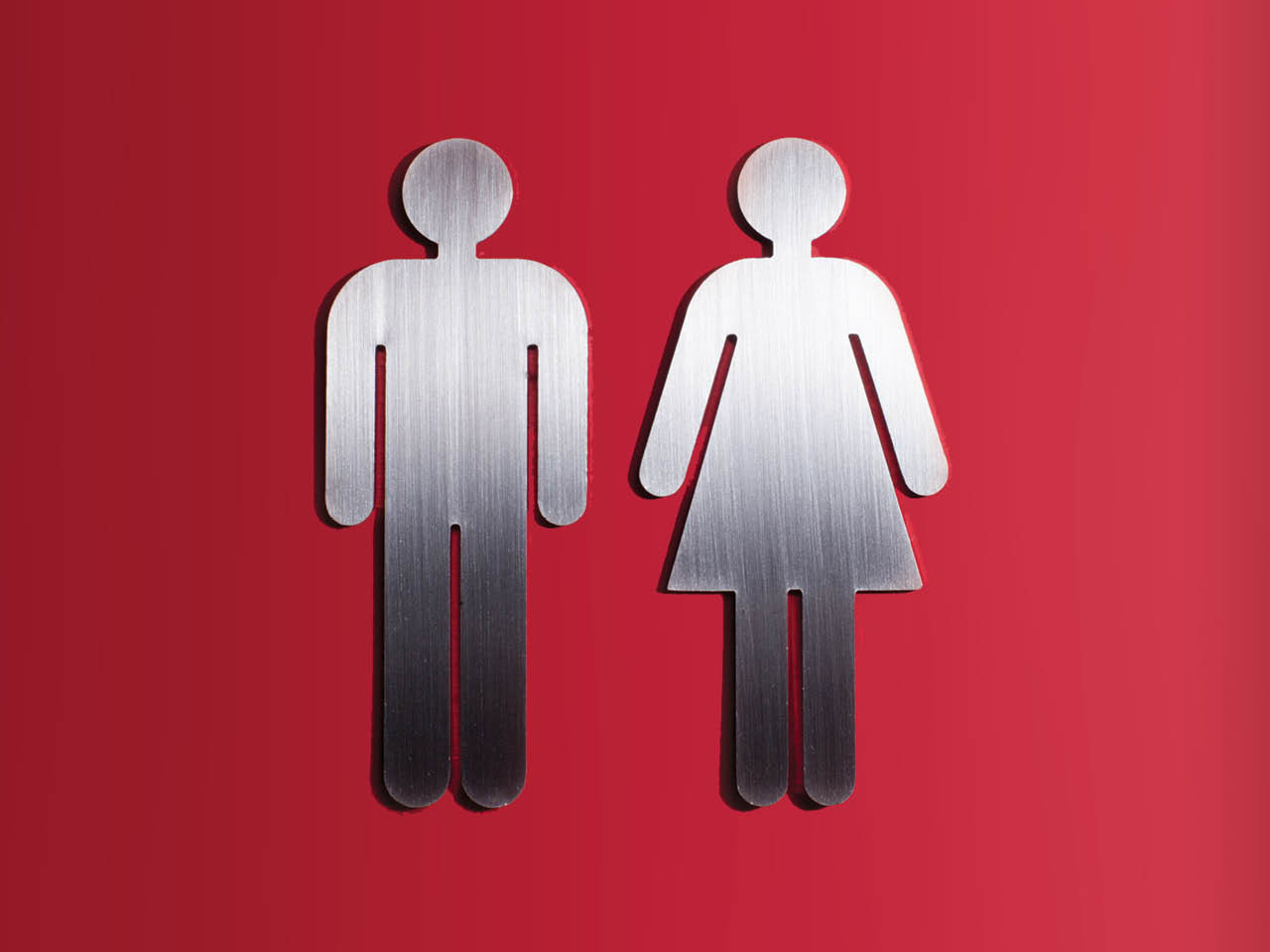
Not all heart attacks begin with sudden, crushing chest pain. Not only that, signs of a heart attack can differ in men and women. Knowing about the different symptoms can help save lives.
Heart disease is the leading cause of death for men and women. Yet women are more likely to delay getting diagnosed and treated. Heart disease that’s underdiagnosed and undertreated in women can contribute to worse outcomes, said Stephen Cook, MD, a cardiologist at Franciscan Health Indiana Heart Physicians.
Understanding heart attack symptoms and how they may be overlooked is an important part of getting timely, lifesaving care.
For years, many people believed women mainly had heart attacks without having chest pain. But that’s not strictly true.
“Women and men are equally likely to report chest pain,” Dr. Cook explained. What’s different is that women are more likely to have added symptoms. Sometimes this confuses the picture, which may keep a heart problem from being recognized and treated.
In a woman who already has chest discomfort, added symptoms may include fatigue, nausea, dizziness and others. According to Louis Janeira, MD, a cardiologist with Franciscan Physician Network who specializes in clinical cardiac electrophysiology, “Sometimes women have no chest pain at all … just profound fatigue and weakness or shortness of breath with activities they used to tolerate easily.” He added, “Back pain is another symptom that can occur in women and is often unexpected, which makes it easier to overlook.”
These are key warning signs in women, even without chest pain. But, because these symptoms can seem unrelated to the heart, they’re more likely to be dismissed or misdiagnosed.
When it comes to a heart attack, every minute matters.
Women are more likely to delay getting care. Often, it’s because their symptoms feel vague or they decide it’s something less serious like stress, indigestion or lack of sleep. It’s easy to overlook symptoms such as fatigue and heart disease.
Dr. Janeira explained that it’s common for women to think, “It’s something I ate” or “I just slept wrong,” especially when symptoms don’t match what they expect a heart attack to feel like.
If you notice warning signs such as chest discomfort, shortness of breath, unusual fatigue or atypical chest pain, don’t wait:
When you get help quickly, you can reduce heart damage and save your life. If you’re not sure where to go, look for a nearby emergency room.
Women and men share many heart attack symptoms. Common warning signs include:
The symptoms may come on suddenly or slowly grow over time.
Men are more likely to experience what are often thought of as “classic” heart attack symptoms:
Because these symptoms are known as being related to heart attacks, men may be more likely to seek care right away.
Heart attack symptoms that are common for women
Women may have a broader range of symptoms that can be less clear-cut or more subtle. Common female heart attack signs include:
Some women may not have chest pain at all. Others may have mild or atypical chest pain that doesn’t feel severe.
Dr. Janeira stressed that women may feel unusually tired or weak. These are the kinds of symptoms that are easy to ignore but may signal a serious heart problem.
Not only can women and men have different symptoms of heart disease, but the genders also differ in how they perceive their symptoms. It’s important for women not to minimize or overlook their own symptoms.
"Women especially do not have classical chest pain a lot of times. So, nausea, vomiting, not feeling well," said Tansel Turgut, MD, a Michigan City cardiologist with Franciscan Physician Network. "Over the years, I've seen heart attacks with ear pain, throat pain, toothaches, back pain, abdominal pain, not feeling good, just coming to the emergency room."
Along with physical differences, men and women may not view or react to their symptoms in the same way. Women tend to:
Dr. Janeira noted that, “Women often put others first, may downplay their own symptoms and think they’ll just push through it.”
At the same time, differences in treatment and diagnoses between women and men also play a role. According to Dr. Cook, women are less likely to receive certain diagnostic tests or treatments, including cardiac catheterization.
This combination of delayed care, symptom variations and healthcare disparities can raise the risk of complications from a heart attack.
Heart attack symptoms aren’t always obvious, and they’re not the same for everyone.
If something doesn’t seem right, it’s key to know the differences in heart attack symptoms between men and women. They may include signs like:
Trust your instincts. If something feels off, don’t ignore it.
Know your risk factors and symptoms to help protect your heart health.
If you’re concerned about your heart or risk for heart disease, connect with a provider. Have a doctor evaluate you to help identify issues before they become serious.
You can learn more about heart care services or schedule an appointment online. Franciscan Health’s cardiovascular specialists provide comprehensive care from prevention and diagnosis to advanced treatment options. Find a heart specialist near you and take the next step toward better heart health.
Frequently Asked Questions: Heart Attack Signs
The most common sign for both men and women is chest pain, pressure, squeezing, or fullness. It may last more than a few minutes, or go away and come back.
Sometimes. Women may have chest discomfort, but they are also more likely to have other signs, such as shortness of breath, nausea or vomiting, unusual tiredness, lightheadedness, or pain in the jaw, neck, back, shoulder, or arm. Some women have little or no chest pain.
For some women, the signs of a heart attack can feel mild or seem like stress, heartburn or the flu. Many women also do not think heart disease is their biggest risk. Do not wait. Getting care quickly can save your heart muscle and your life.
Call 911 first. If the person is not responding and not breathing normally, start hands-only CPR by pushing hard and fast in the center of the chest. Use an AED if one is nearby.
Call 911 right away if you think you or someone else is having a heart attack. Do not drive yourself. Emergency teams can begin treatment on the way to the hospital.
A heart attack happens when blood flow to the heart is blocked. A stroke happens when blood flow to the brain is blocked or a vessel bleeds. Know the F.A.S.T. signs of stroke: Face drooping, Arm weakness, Speech trouble, Time to call 911.

Clinical Cardiac Electrophysiology
Accepting new patients
Franciscan Physician Network


Interventional Cardiology +2 more
Accepting new patients
Franciscan Physician Network