Request An Appointment
Don't wait, prioritize your health. Find the right Franciscan Health doctor for your needs, and request an appointment today.
Search the site for providers, locations, and content.
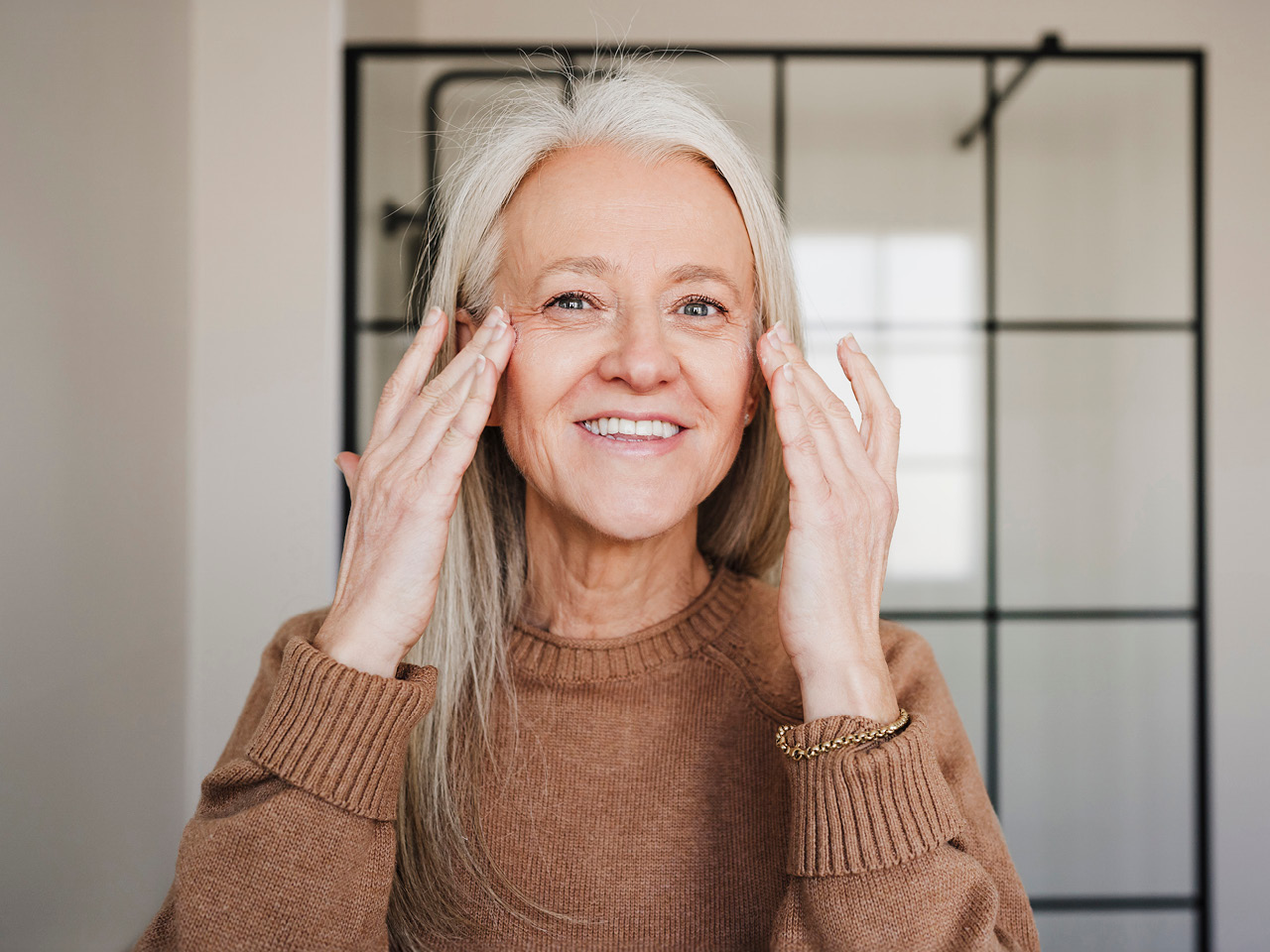
You wake up one morning, look in the mirror, and barely recognize your reflection. Your skin looks drier. Fine lines you swear weren't there last month now frame your eyes. And is that a breakout? You thought acne was supposed to end after your teenage years.
Welcome to one of menopause's less-discussed side effects: dramatic changes to your skin.
Menopause and perimenopause bring about many changes in a woman’s body, and the skin is often among the first places they become noticeable. While hot flashes and mood swings often steal the spotlight, menopause can transform your skin in ways that feel frustrating and confusing.
The good news? Understanding what's happening beneath the surface empowers you to take action and support your skin through this transition. A Franciscan Health doctor shares what you should know about skin changes that happen in perimenopause and menopause.
The answer lies in a single hormone: estrogen.
Estrogen acts like a maintenance crew for your skin. It helps produce collagen (the protein that keeps skin firm), maintains moisture levels, regulates oil production, and promotes skin thickness. During perimenopause and menopause, your estrogen levels drop significantly, sometimes by as much as 60 percent.
Without adequate estrogen, your skin loses its ability to repair and protect itself the way it once did. This hormonal shift creates a cascade of visible changes that can appear suddenly or gradually over several years.
“Many women are surprised to learn how much estrogen contributes to skin health," said Sydney Ulrey, DO, who practices at Franciscan Physician Network Mooresville Family Care. "The changes they're seeing in the mirror are often tied directly to hormonal shifts happening beneath the surface."
The drop in estrogen can lead to several changes in your skin, including:
Your skin may feel tight, rough or uncomfortable. Many women describe a persistent itchiness that seems worse at night.
Why it happens: Estrogen helps your skin retain water. As levels drop, your skin's moisture barrier weakens, allowing water to escape more easily and making your skin feel itchy.
You might notice your skin feels more delicate or fragile. Bruising may occur more easily, and cuts take longer to heal.
Why it happens: Collagen production decreases by about 30 percent in the first five years after menopause. This protein gives skin its structure and strength.
Wrinkles deepen. New lines appear around your mouth, eyes, and forehead. Your skin may start to sag, especially around your jawline and neck.
Why it happens: Without sufficient collagen and elastin (another protein that provides "bounce"), your skin loses its ability to snap back into place.
Hormonal acne can flare along your jawline, chin, and neck. Your pores may appear larger than they used to.
Why it happens: When estrogen drops, but testosterone levels remain relatively stable, your oil glands can go into overdrive. This imbalance creates the perfect environment for breakouts.
Dark spots may appear on your face, hands, and chest. Your skin tone might look less uniform than before.
Why it happens: Years of sun exposure catch up with you during menopause. Lower estrogen levels also affect how your skin produces melanin (the pigment that gives skin its color).
Your skin may look dull or tired, even when you're well-rested.
Why it happens: Cell turnover slows during menopause. Dead skin cells accumulate on the surface, creating a lackluster appearance.
You may see unwanted hair under your chin, along your jawline, or above your lip.
Why it happens: Facial hair growth is a result of the levels of female hormones falling.
You can't stop menopause, but you can absolutely support your skin through this transition and the changes in your hormones. Think of it as adjusting your skincare routine to match your body's new needs.
Skin care during menopause starts at home. Upgrade your skincare routine with hydrating, gentle products and consistent sun protection.
Talk to your doctor about whether hormone replacement therapy might benefit your overall menopausal symptoms, including skin changes.
Dr. Ulrey recommends scheduling a consultation if:
You don't need to suffer through uncomfortable skin changes alone. If over-the-counter approaches aren't working or you want professional treatments, request a consultation with a dermatologist for a comprehensive skin evaluation. A dermatologist can evaluate your specific concerns and create a personalized treatment plan that might include prescription medications, professional treatments or minimally invasive procedures.
Some options to discuss with a dermatologist include:
"Remember that skin changes are a normal part of aging," Dr. Ulrey said. "Be patient with yourself and your skin. The right combination of lifestyle changes and medical treatments can make a significant difference."
Menopausal skin changes can feel overwhelming at times, but it is important to remember that gentle persistence pays off. Show yourself kindness as you adjust to this new chapter, focusing on small, consistent changes rather than quick fixes or perfection. Because every woman's skin is unique, find a routine that works for your needs—and remember that it is okay to try different approaches as you discover what brings comfort and results. If you notice that your symptoms are not improving, or if skin issues begin to affect your daily life or confidence, do not hesitate to reach out for professional support. By combining self-care with supportive expert advice, you can help your skin look and feel its best during menopause and beyond.

Family Medicine
Accepting new patients
Offers virtual visits
Franciscan Physician Network
