Anal Fissure
Our Approach
Most anal fissures heal by themselves or with nonsurgical treatments, such as creams. But if other conditions, such as muscle spasm or scarring, occur with the fissure, it could interfere with healing. Fissures that do not heal can be fixed with surgery.
At Franciscan Health, we perform anal fissure surgery on an outpatient basis. The large majority of patients who have surgery have no other problems.
What is an anal fissure?
An anal fissure is a tear in the skin of the anus. It can happen when you pass large or hard stools or strain during a bowel movement.
The anus and anal canal are surrounded with muscles that control the passage of stool. These muscles also keep the anus tightly closed when you are not using the bathroom. When the muscles expand, it opens the fissure, causing anal pain and other symptoms.
You can prevent anal fissures by getting enough fiber in your diet. Fiber prevents constipation.
What causes anal fissures?
While severe bouts of diarrhea or inflammation can cause this common condition, it's usually caused by passing large or hard stool. Injury to the anal area during childbirth can also cause anal fissures.
Anal fissure symptoms
If you have an anal fissure, you may experience pain during and immediately following bowel movements. The anus may also itch or bleed.
A simple visual exam of the anus and surrounding tissue usually reveals the fissure.
Related Providers
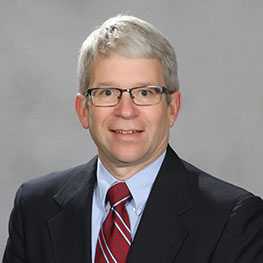
Frederick R Lane, MD, FACS, FASCRS
Colon & Rectal Surgery +1 more
Accepting New Patients
Franciscan Physician Network


Tobi J Reidy, DO
Colon & Rectal Surgery +1 more
Accepting New Patients
Franciscan Physician Network
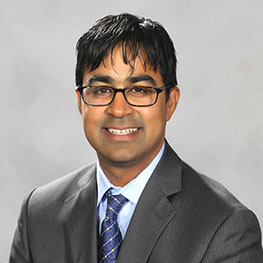
Dipen C Maun, MD, FACS, FASCRS
Colon & Rectal Surgery +1 more
Accepting New Patients
Franciscan Physician Network
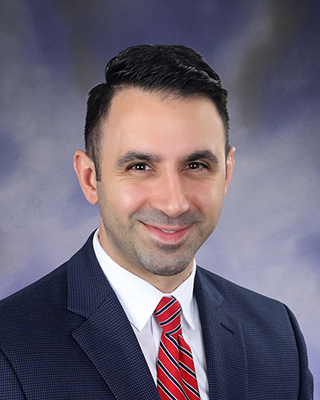
Samer Kawak, MD
Colon & Rectal Surgery
Accepting New Patients
Franciscan Physician Network
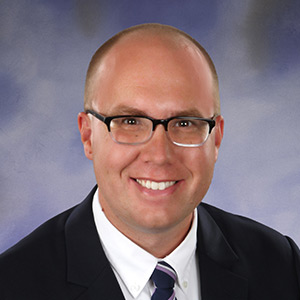
Scott C Dolejs, MD
Colon & Rectal Surgery
Accepting New Patients
Franciscan Physician Network

Kathleen R Reese, NP
Family Nurse Practitioner
Accepting New Patients
Offers Virtual Visits
Franciscan Physician Network
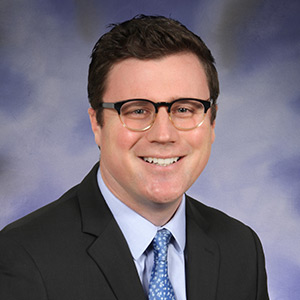
Evan K Fitz, MD
Colon & Rectal Surgery
Accepting New Patients
Franciscan Physician Network
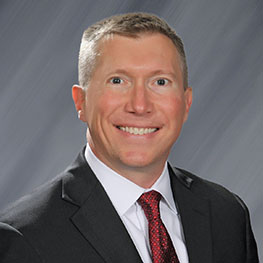
R Barry BARRY Melbert, MD, FACS, FASCRS
Colon & Rectal Surgery
Accepting New Patients
Franciscan Physician Network
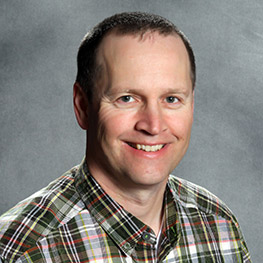
Paul E Broderick, DO, FAOCPr
Colon & Rectal Surgery
Accepting New Patients
Franciscan Physician Network
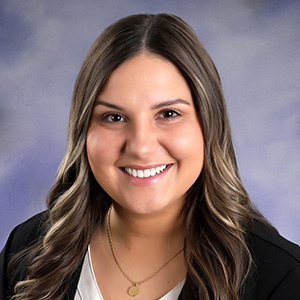
Olivia Jayanne Hoffman, PA-C
Physician Assistant
Accepting New Patients
Franciscan Physician Network
Related Locations
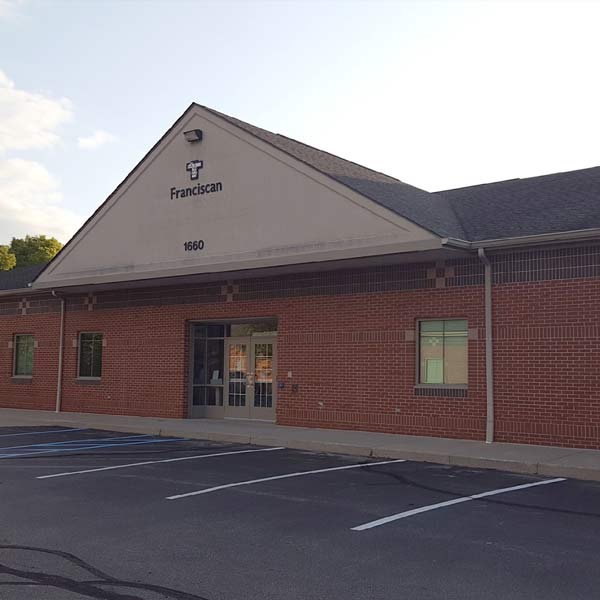
Surgery Center +2 more
Franciscan Health Diagnostic & Surgical Center Crawfordsville
1660 Lafayette Rd. - Crawfordsville, IN 47933
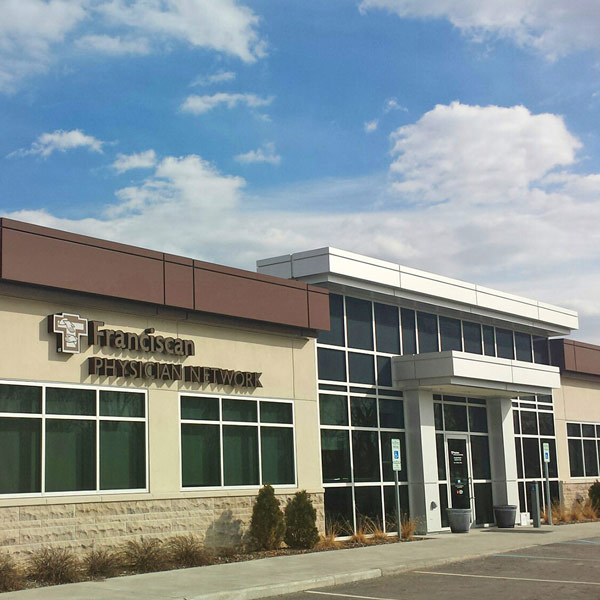
Specialty Care
Franciscan Physician Network Indiana Colon & Rectal Specialists Columbus
123 2nd Street - Columbus, IN 47201
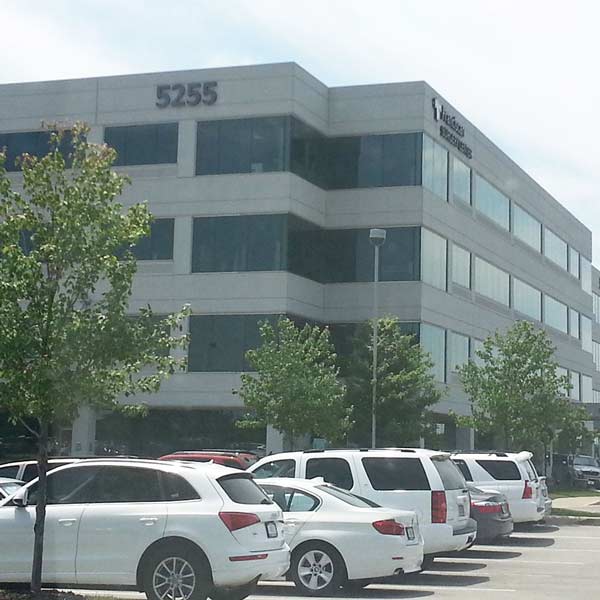
Specialty Care
Franciscan Physician Network Indiana Colon & Rectal Specialists Indianapolis
5255 E. Stop 11 Road Suite 250 - Indianapolis, IN 46237