Blood Transfusions
About This Treatment
When people donate blood, it is stored in a blood bank and used for blood transfusions. A blood transfusion boosts blood levels that are low, either because a body isn't making enough or a patient has lost blood owing to surgery, injury or disease. In some cases, typically those involving elective surgery, a blood transfusion is done with blood the patient has donated for themselves ahead of time.
During a typical blood transfusion, the needed parts of blood are delivered through an intravenous (IV) line that's placed in one of the arm veins. A blood transfusion usually takes one to four hours, though in an emergency it can be done much faster.
Why you may need a blood transfusion
People receive blood transfusions for many reasons. Blood transfusions provide the part or parts of blood that are most needed in a patient: red cells, white cells, plasma or platelets. Issues that most commonly require blood transfusions are:
Blood components each have important functions
- Red blood cells transport oxygen from the lungs to the tissues; too few red cells lead to anemia, tiredness, malaise and pale skin.
- Platelets help stop bleeding by plugging holes in the blood vessel wall; patients with too few platelets bleed more easily and develop "petechiae," which are flea-bite size bleedings in the skin and may show up as small purple dots on the skin.
- White blood cells fight infections by eating and killing bacteria.
- Plasma carries all three of the above components. The primary purpose of plasma is to transport nutrients, hormones and proteins to the parts of the body that need it.
Related Locations
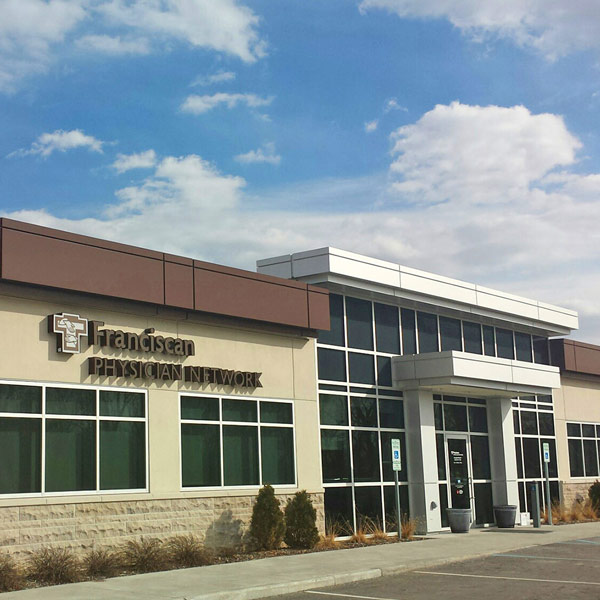
Specialty Care +1 more
Franciscan Health Oncology & Hematology Specialists Columbus, a department of Franciscan Health Indianapolis
123 2nd Street - Columbus, IN 47201
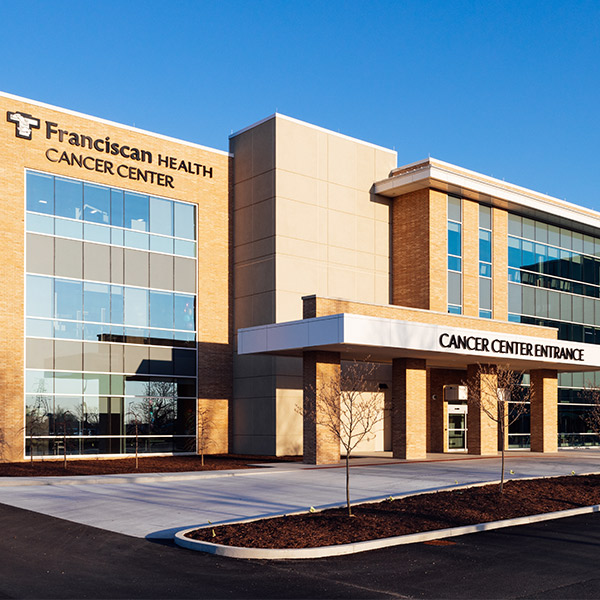
Specialty Care +1 more
Franciscan Health Oncology & Hematology Specialists, a department of Franciscan Health Lafayette
1701 South Creasy Lane Suite 310 - Lafayette, IN 47905
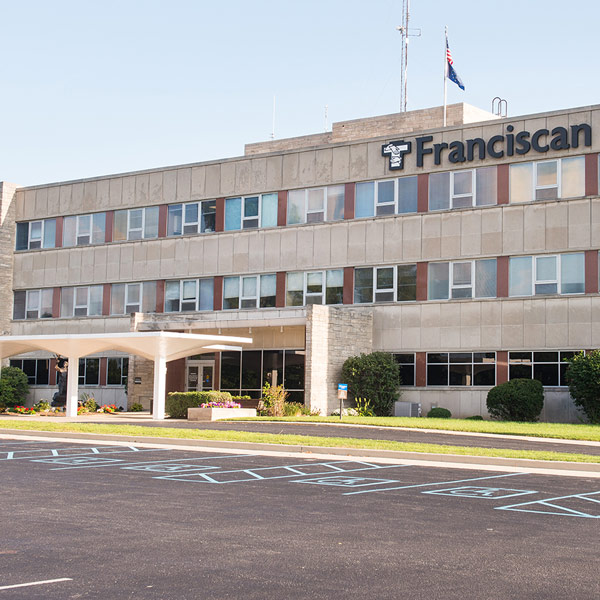
Specialty Care +1 more
Franciscan Physician Network Oncology & Hematology Specialists Rensselaer
1104 E. Grace Street - Rensselaer, IN 47978