Crohn’s Disease
Our Approach
At Franciscan Health, our gastroenterologists (digestive health specialists) can help reduce your Crohn's disease symptoms and improve function. Your treatment plan may include lifestyle changes, medications or surgery.
Treatment for Crohn's
Medications
Your doctor may recommend medications such as:
- Antibiotics
- Anti-inflammatory drugs
- Antidiarrheal medicine
- Corticosteroids
- Immunosuppressants
- Pain relievers
- Supplements with iron, vitamins B12 and D, and calcium
Surgery
People living with Crohn's disease may need surgery. Your doctor may recommend surgery if lifestyle changes and medications don't effectively manage your symptoms.
Surgery can remove damaged portions of your digestive tract and reconnect healthy tissues. Strictureplasty is an option that widens part of the intestine that the disease narrowed.
Surgery is often temporarily effective. But medication can help reduce recurrence (return) of the disease near the healed tissue.
Crohn's diagnosis
Crohn's disease can be difficult to diagnose because symptoms are also signs for other conditions. To make a diagnosis, your gastroenterologist usually must rule out other diseases and use a combination of tests, including:
- Stool samples
- Blood tests
- Biopsy (tissue sample) of the intestines
- Colonoscopy
- Endoscopy
- Sigmoidoscopy (inspects the last section of the colon with a flexible, lighted tube)
You may also undergo imaging scans such as:
What is Crohn's disease?
Crohn's disease is a condition that causes inflammation in several layers of bowel tissue. It most often occurs between the ages of 15 and 30, but it can develop at any time.
Not everyone experiences Crohn's in the same way. It can cause inflammation in different parts of the digestive system for different people. Some people may have mild symptoms while others may have moderate or severe symptoms.
What causes Crohn's disease?
While doctors don't yet know what causes Crohn's disease, it could be an abnormal response by the immune system. Risk factors include:
- Eating a high-fat diet
- Eastern European and Ashkenazi Jewish descent
- Family history of IBD
- Living in a northern climate
- Smoking
Symptoms of Crohn's disease
Symptoms of Crohn's disease include:
- Abdominal pain and tenderness
- Anal bleeding
- Blood in stool
- Diarrhea
- Fatigue
- Fever
- Intestinal cramping
- A mass in the lower abdomen
- Mouth sores
- Weight loss
Podcast: Facts about Crohn’s Disease
Learn what is Crohn's Disease, who is most likely to develop it, what are the symptoms, how is it treated?
Related Providers
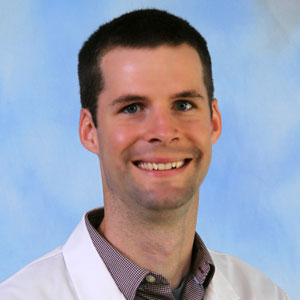
Kevin D Burke, DO
Gastroenterology +1 more
Accepting New Patients
Franciscan Physician Network

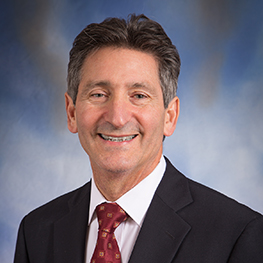
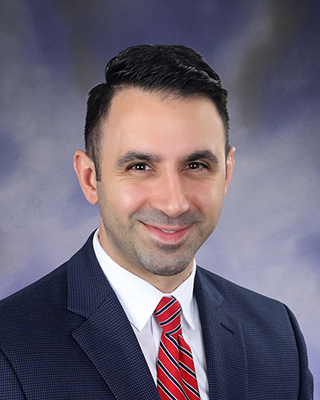
Samer Kawak, MD
Colon & Rectal Surgery
Accepting New Patients
Franciscan Physician Network
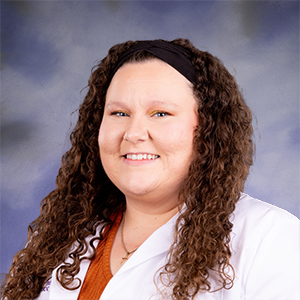
Ariel D Houim, NP
Adult Health Nurse Practitioner +1 more
Accepting New Patients
Offers Virtual Visits
Franciscan Physician Network
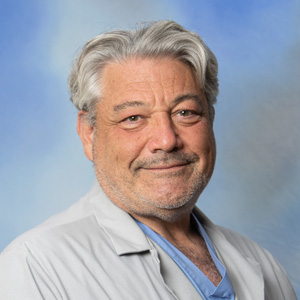
Eugene Lyubashevsky, MD
Gastroenterology
Accepting New Patients
Franciscan Physician Network

Kathleen R Reese, NP
Family Nurse Practitioner
Accepting New Patients
Offers Virtual Visits
Franciscan Physician Network

Mark A Nelson, MD
Gastroenterology
Accepting New Patients
Franciscan Physician Network
Related Locations

Primary Care Office
Franciscan Physician Network Family Wellness Center
9800 Valparaiso Drive - Munster, IN 46321
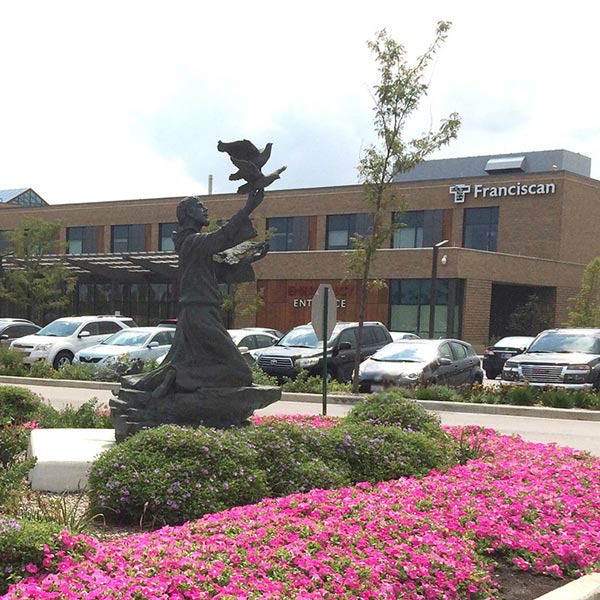
Specialty Care
Franciscan Physician Network Hepatology & Interventional Gastroenterology
701 Superior Avenue Suite 2700 - Munster, IN 46321
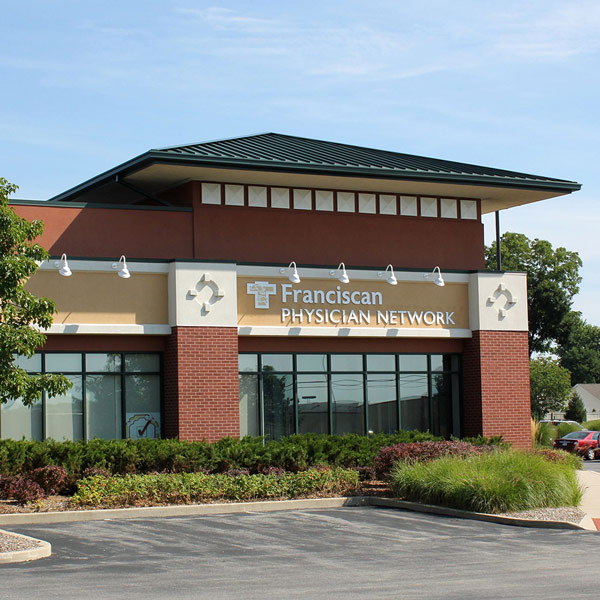
Primary Care Office
Franciscan Physician Network Valparaiso Health Center
2421 LaPorte Avenue - Valparaiso, IN 46383
Latest Blog Articles

Crohn's Disease Treatment