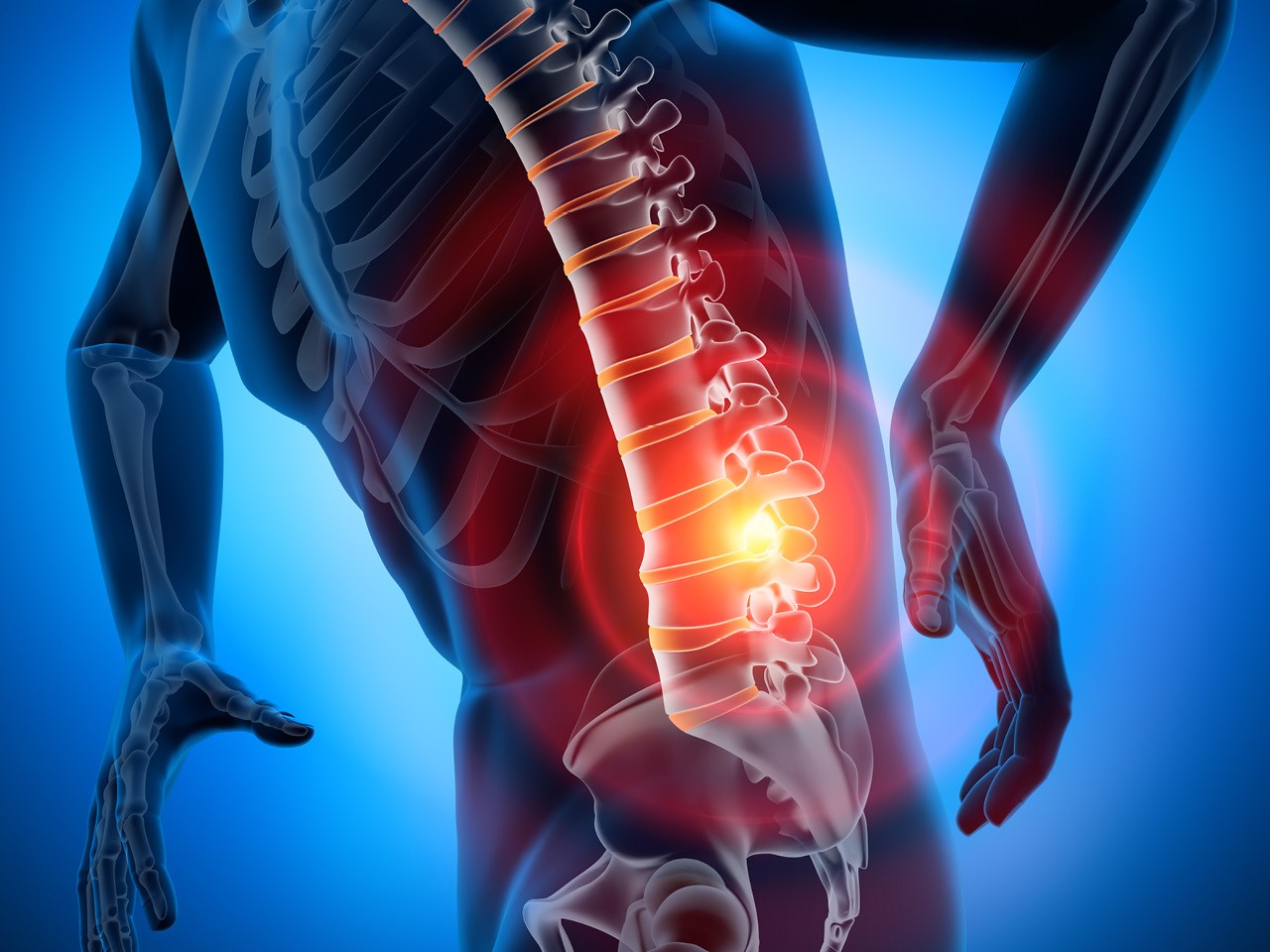
Herniated Disc Treatment
About This Treatment
To understand your options for herniated disc treatment, it helps to understand the spinal anatomy.
Spinal discs are made of a tough outer layer and have a fluid gel interior. The discs sit between all the vertebrae to cushion your spine and make it flexible.
A herniated disc, or a ruptured disc, is one that has weakened to the point of a tear in the outer layer, allowing fluid to leak out. This can irritate nerves around the disc and cause pain, numbness or weakness in an arm or a leg.
Herniated discs and ruptured discs can happen anywhere along the spine, especially in the neck and lower back. A herniated disc is usually caused by degeneration over time. Improper lifting or repetitive activities can lead to degeneration.
This condition occurs most frequently in men between the ages of 35 and 55. Risk factors include being overweight and smoking.
Nonsurgical herniated disc treatment
Our spine specialists may recommend the following nonsurgical herniated disc treatments:
- Anti-inflammatory medications (aspirin or ibuprofen)
- Cold compresses or ice
- Exercise
- Gentle heat applications
- Physical therapy
- Steroid injections
Herniated disc surgery
If your symptoms get worse or don't improve after about six weeks, you may need herniated disc surgery to relieve pressure on the spinal cord and nerves.
We offer:
- Lumbar microdiscectomy: A minimally invasive surgery for herniated or ruptured discs in the lower back
- Cervical discectomy and fusion surgery: A procedure to remove a ruptured or herniated disc in the neck and fuse the two affected vertebrae
Recovery from herniated disc surgery can take up to six weeks. We may recommend rehabilitation, such as physical therapy, during your recovery.
Herniated disc diagnosis
Diagnostic tests for a herniated disc can include:
Podcast: Herniated Disc - Common Causes and Treatments
In this episode, Dr. Andrew Koivuniemi leads a discussion focusing on herniated discs, how they are caused, how they can be prevented, and some of the common treatment options.
Related Locations
Rehabilitation +1 more
Franciscan Health Crown Point Inpatient Rehabilitation Center
12750 Saint Francis Drive - Crown Point, IN 46307
Hospital Department +1 more
Franciscan Health Pelvic Health Therapy Indianapolis
8111 South Emerson Avenue - Indianapolis, IN 46237
Rehabilitation +1 more
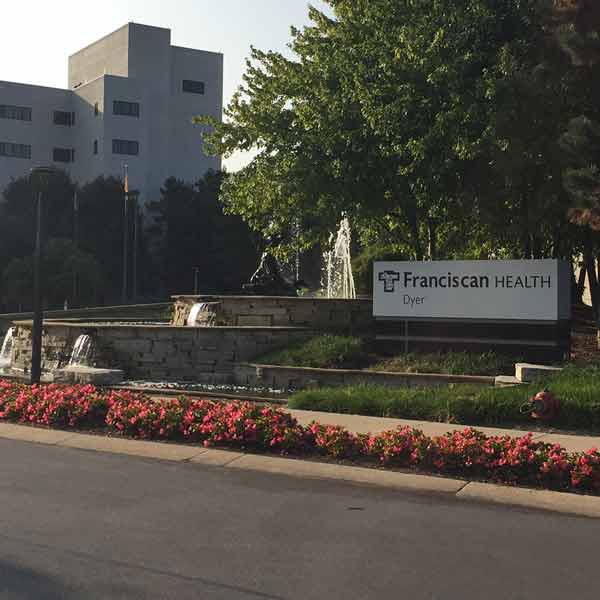
Franciscan Health Inpatient Rehabilitation Center Dyer
24 Joliet Street - Dyer, IN 46311