Neurological Physical Therapy
About This Treatment
Franciscan Health's physical therapists are specially trained in the treatment of individuals with neurological disorders and are dedicated to utilizing the most recent, evidenced-based treatments and assistive technologies, allowing each patient to engage in meaningful and purposeful activities of daily life.
Following a diagnosis, one of our therapists will do a comprehensive evaluation of function and issues related to maintaining function and independence. Our treatment approach is individually tailored to address specific problem areas and designed to help patients achieve their maximal functional potential.
A neurologically-trained physical therapist specializes in the evaluation and treatment of individuals with movement problems related to disease or injury of the nervous system. Therapists can help a patient regain some to most of the functions they lost because of an injury, enabling the patient to live independently again.
Therapists who specialize in neurology work with a wide range of patients who may have one of the following conditions:
- Stroke
- Spinal cord injury
- Brain injury
- Parkinson's disease
- Multiple sclerosis
- Guillain-Barre Syndrome
How neurological physical therapy improves quality of life
The nervous system is a complex, sophisticated system that regulates and controls all the workings of your body. When something goes wrong with a part of your nervous system, you can have trouble moving, speaking, swallowing, breathing, or learning. You can also have problems with your memory, senses, or mood.
Physical therapy is extremely important for patients who have had or who currently have neurological diseases or injuries. Without physical therapy following a neurological injury, patients may lose many functions, may be unable to perform certain activities, or may lose their independence. Decreased activity can lead to many other health problems such as heart problems, lung problems, and diabetes.
Related Locations
Rehabilitation
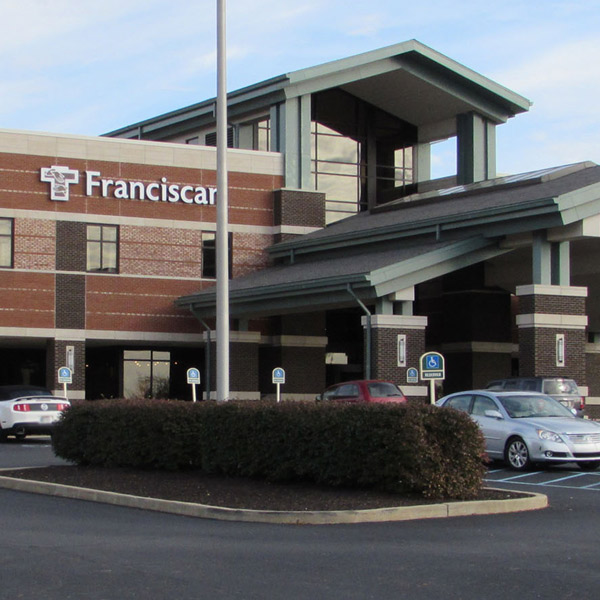
Franciscan Health Outpatient Neuro Therapy Mooresville
1201 Hadley Road - Mooresville, IN 46158
Rehabilitation
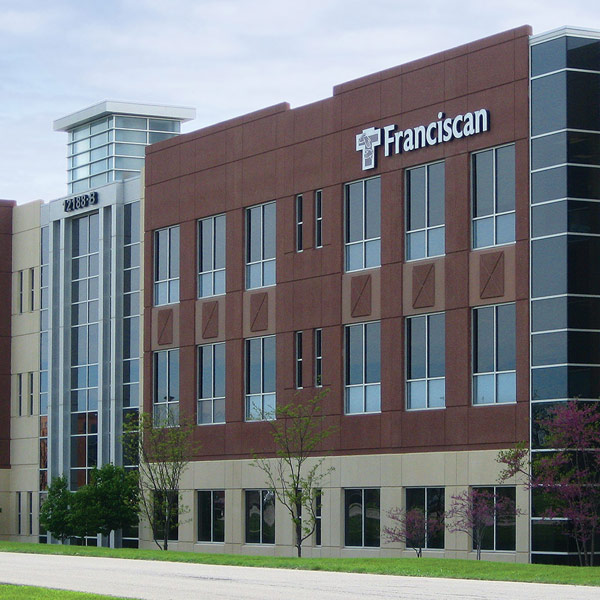
Franciscan Health Outpatient Therapy Carmel
12188-B North Meridian Street Suite 230 - Carmel, IN 46032

Rehabilitation +1 more
Franciscan Health Pediatric Therapy Indianapolis
5255 East Stop 11 Road Suite 260 - Indianapolis, IN 46237