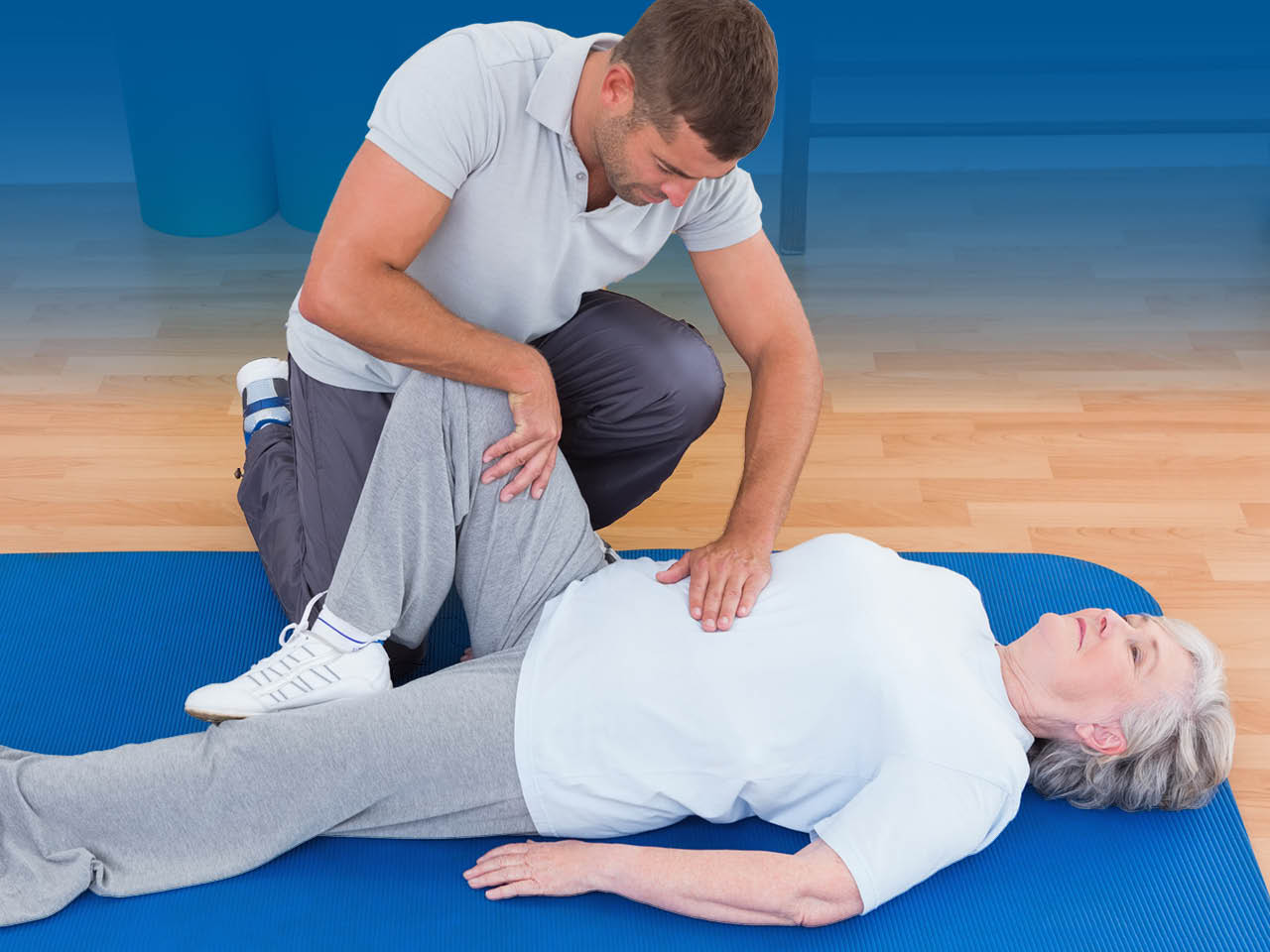
Pelvic Rehabilitation
Our Approach
Pelvic floor disorders can affect bladder and bowel function and pelvic health, causing incontinence and other uncomfortable symptoms. Pelvic rehabilitation offers hope for those who experience pelvic floor disorders.
How pelvic rehabilitation works
Your pelvic floor is made up of muscles, ligaments, connective tissue and nerves that support bladder and bowel function and pelvic health. When any of these weaken, your bladder or bowel may no longer function normally.
Physical therapy can help strengthen and condition your pelvic muscles to reduce or even eliminate uncomfortable and embarrassing symptoms such as incontinence. Our physical therapists will develop a tailored treatment and provide you with support and encouragement.
Pelvic rehab: what to expect
Our physical therapists are specially trained to treat pelvic floor disorders. We’ll perform a thorough evaluation and listen to your concerns. Your treatment options may include:
- Exercise instruction: Provides strengthening and coordination exercises for the pelvic floor and abdominal and hip muscles
- Home exercise program: Allows you to rehabilitate in the comfort of your home and at your own pace
- Computerized biofeedback training: Increases muscle awareness, strength and coordination
- Electrical stimulation: Improves muscle activity, promotes bladder control and helps manage pain
- Manual therapy: Offers a hands-on approach to treating painful pelvic conditions
Pelvic floor conditions we treat
Pelvic rehab may help if you experience conditions affecting the muscles, tissue and nerves in the pelvic region, such as:
- Urinary or fecal incontinence
- Urinary urgency or bladder leaks
- Urinary frequency
- Pelvic organ prolapse (cystocele, rectocele)
- Pregnancy-related back or hip pain
- Painful sexual intercourse (dyspareunia)
- Pelvic pain
Podcast: Pelvic Health Physical Therapy for Every Stage of Life
What is pelvic health and why do I need physical therapy? How do I get an evaluation to get started with physical therapy?
Related Providers

Mezgebe D Abegaz, MD
Physical Medicine & Rehabilitation
Accepting New Patients
Franciscan Physician Network

Abhishek D Reddy, DO, FAAPMR
Physical Medicine & Rehabilitation
Accepting New Patients
Franciscan Physician Network
Sachin A Mehta, MD
Physical Medicine & Rehabilitation
Accepting New Patients
Franciscan Physician Network

Revathy Ameeruddin, MD
Physical Medicine & Rehabilitation
Franciscan Physician Network

Anand M Navarasala, DO, FAAPMR
Physical Medicine & Rehabilitation
Accepting New Patients
Franciscan Physician Network

Erika R Cottrell, MD
Physical Medicine & Rehabilitation +1 more
Accepting New Patients
Franciscan Physician Network
Related Locations
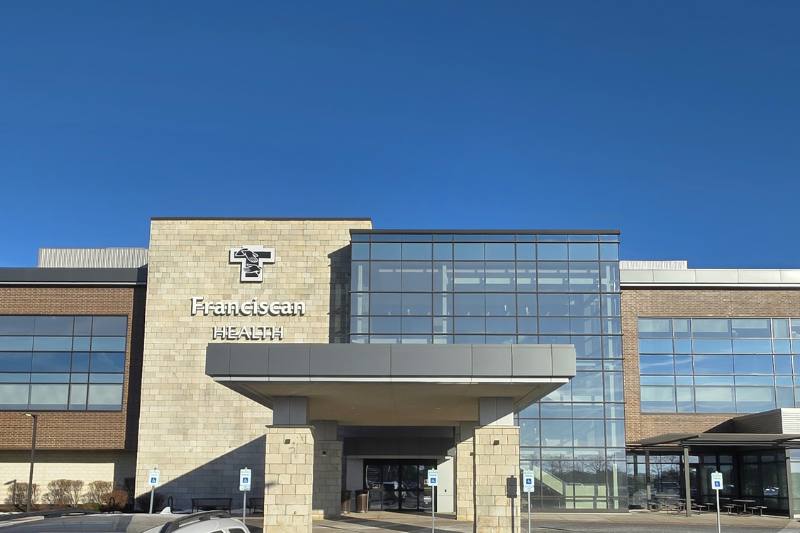
Rehabilitation
Franciscan Health Outpatient Therapy Greenwood
1703 West Stones Crossing Road Suite 120 - Greenwood, IN 46143
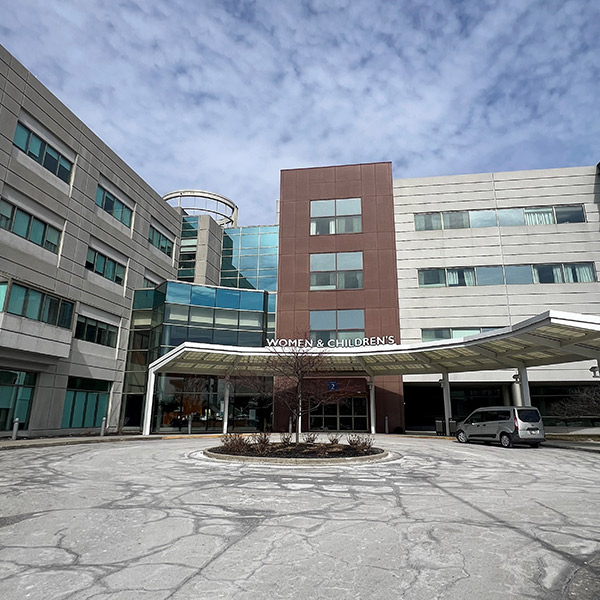
Hospital Department +1 more
Franciscan Health Pelvic Health Therapy Indianapolis
8111 South Emerson Avenue - Indianapolis, IN 46237
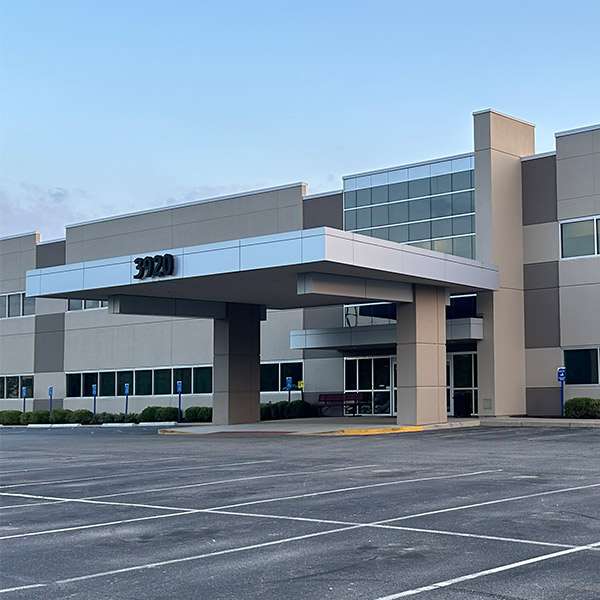
Rehabilitation +1 more
Franciscan Health Physical Medicine & Rehabilitation, a department of Franciscan Health Lafayette
3920 St. Francis Way Suite 220 - Lafayette, IN 47905
Latest Blog Articles
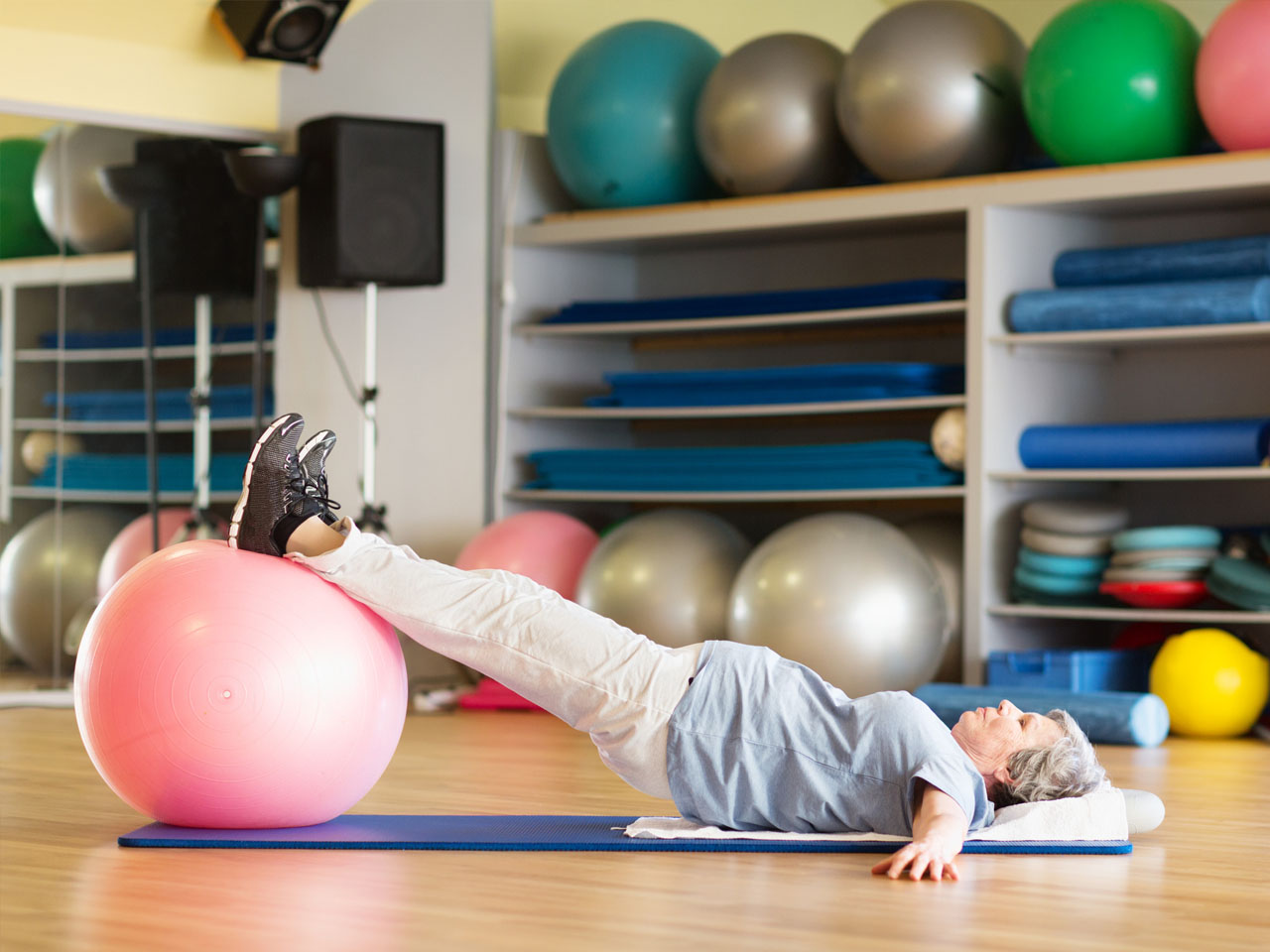
How To Help Urinary Incontinence Symptoms
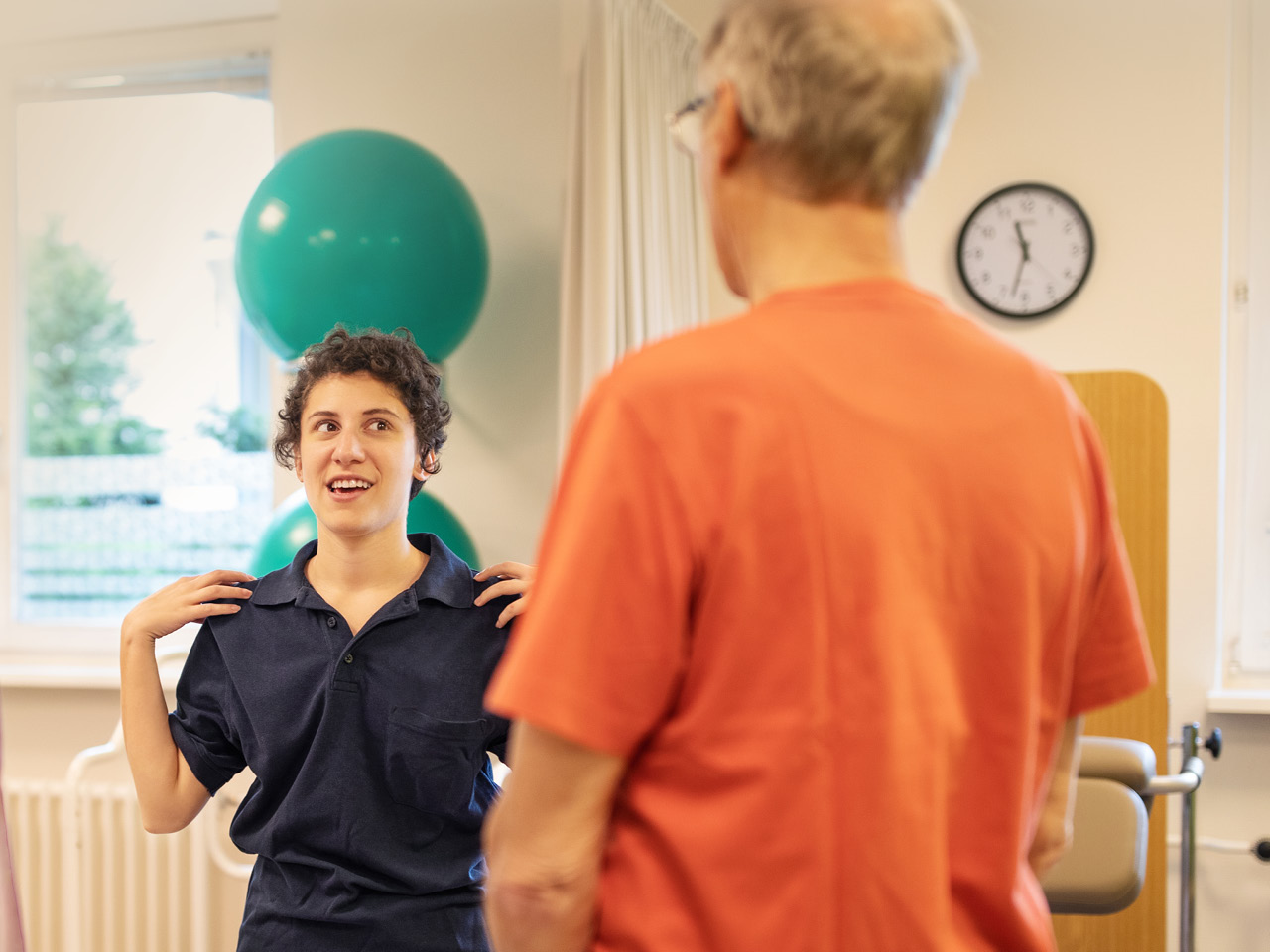
What Is Pelvic Floor Physical Therapy For Men?

Pelvic Floor Weakness vs. Bladder Leakage