Request An Appointment
Don't wait, prioritize your health. Find the right Franciscan Health doctor for your needs, and request an appointment today.
Search the site for providers, locations, and content.
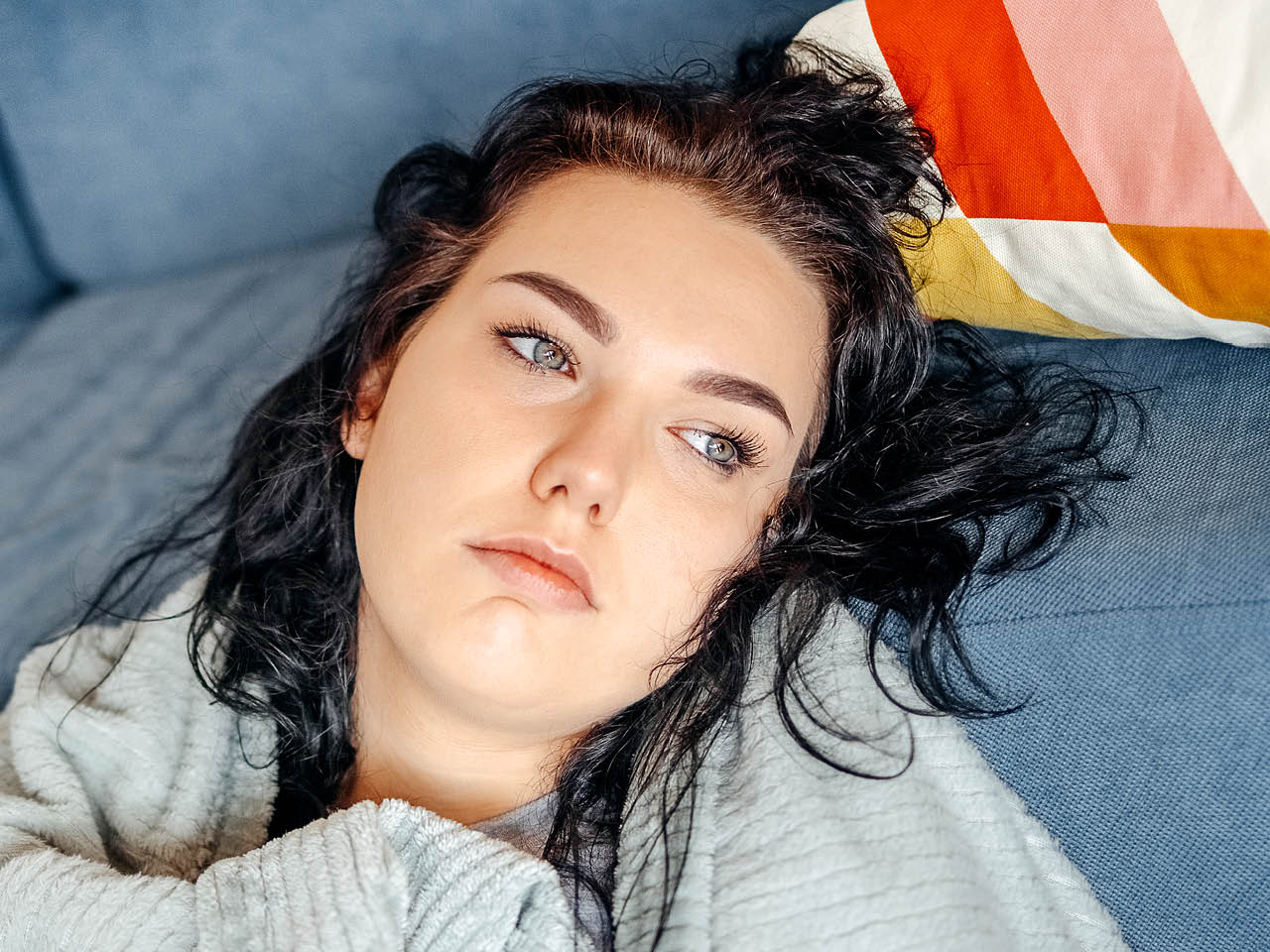
Periods are a fact of life for many teen girls and young women, but did you know they can also be a major factor in your iron levels? The regular loss of blood during menstruation can deplete iron stores, leading to low iron levels and a range of unwelcome symptoms, impacting your sleep, thinking, energy and mood.
The good news is an iron deficiency can be found easily and is often helped with diet changes or iron supplements.
Alexandra Smith, a physician assistant at Franciscan Physician Network Beech Grove Family Medicine, explains how iron impacts women’s bodies, the symptoms of iron deficiency, and why younger women are more likely to experience low iron levels.
Iron helps in the making of red blood cells.
“Iron is a natural mineral that is available through foods that we in our bodies, then use to make hemoglobin, which is the compound in red blood cells that carry oxygen to the rest of your body,” Smith said. “That's why a lot of times when patients end up finding out that they are anemic from iron deficiency, it makes sense for them because it's like, ‘Oh, I've been feeling so tired.’”
A serious iron deficiency can lead to anemia, a condition when you have fewer red blood cells than normal or when those cells don't have enough hemoglobin.
“Red blood cells in our body carry the oxygen to everywhere else and allow us to function and have clear minds and everything else that we need to do,” Smith said.
Nearly 4 out of 10 girls and young women aren’t getting enough iron, a study in the Journal of the American Medical Association found. Of the nearly 3,500 females aged 12 to 21 in the study, just shy of 40% of the girls and young women had low iron, and 6.3% had iron-deficiency anemia, meaning these teen girls and young women do not have enough iron in their bodies.
Three factors may cause low iron in women: periods, pregnancy and low iron in diet.
Menstrual bleeding, especially when periods are heavy, is a major risk factor for iron deficiency and iron-deficiency anemia.
“Women are at higher risk mostly due to the blood loss that occurs every month during the menstrual cycle,” Smith said. “They might have heavier menses when they're younger and it kind of levels out later on once they're into adulthood. But other than that, there is not really a known reason of why (iron deficiency) happens more commonly in younger women than women who might be in their 40s or 50s.”
Both iron deficiency and anemia can result from menstrual blood loss, which is why the US Centers for Disease Control and Prevention recommends yearly tests for teenage girls who experience heavy periods.
Pregnancy also can lead to low iron in women.
“In pregnancy, women's red blood cells increase to have more blood to give to mom and baby during that time while baby's growing,” Smith said, “but that doesn't necessarily mean that their iron intake has increased. So they might not be making enough iron that then binds to the red blood cells to then give them enough oxygen throughout their body.”
Iron is the most common nutrient shortfall, but it’s easy to find sources to increase the iron in your diet.
“There are two sources of iron from foods: the heme iron and the non-heme iron,” Smith said. “The heme iron is going to come from your meats; beef and pork meats are high in the heme iron. You can get the non-heme iron from vegetables or non-meat sources such as fortified cereals, nuts, sunflower seeds, beans, legumes and spinach.” But non-plant, meat sources provide iron that is more easily absorbed by our bodies, which puts vegetarians and vegans at increased risk of iron deficiency, she added.
The recommended daily intake of iron is 15 mg for teen girls ages 14-18 years and 18 mg for women ages 19-50 years.
Symptoms of iron deficiency in women include:
“They can have cravings for non-food items, which is called pica,” Smith said. ”Some of these cravings could be something as normal as ice. They're chewing on ice cubes, all the way to dirt, paint, mud, which kind of goes long line with dirt, baby powder, just things that normally would not be appealing to someone.”
A simple blood test can tell you if you have low iron levels. Women experiencing symptoms of iron deficiency should see their primary care doctor or OBGYN about testing iron levels.
While a complete blood count (CBC) test can detect anemia, it may not pick up an iron deficiency. That requires a separate blood test to measure the protein ferritin. If you have risk factors, having this test can catch a deficiency before it progresses to anemia.
Women with low iron levels may benefit from increasing iron in their diet, taking iron supplements or having iron infusions.
To boost iron through diet, eat lean beef, chicken and turkey, oysters, dark leafy greens and whole grains. Besides leafy greens, the best plant-based sources of iron are legumes (beans and lentils), tofu and cashews. Vegetarians and vegans also can add beans, tofu and green leafy vegetables to help get enough iron in their diets.
And while the body is better at using the iron from animal sources, plant-based foods high in vitamin C (fruits and vegetables) eaten during the same meal can help with absorption of iron.
“Some recent studies show that vitamin C, in ingested with iron, helps increase the absorption of the iron,” Smith said.
“Taking iron pills is going to be the easiest, most cost-effective easiest way to replace your iron,” Smith said. “Normally oral iron is very safe. The #1 side effect of replacing the iron that some patients might experience is GI upset such as like abdominal pain, or they might be constipated. But there are ways to mitigate that by maybe taking the iron supplement every other day, taking it with food.”
Talk with your doctor about other medications you are taking before starting iron supplements, as iron can interfere with some medications, vitamins and supplements.
“If some patients are very anemic, we'll recommend iron infusions, but that's not as common,” Smith said.
The best protection against iron deficiency is to eat a healthy balanced diet, including the recommended amounts of iron.
Understanding how your iron levels impact your body and knowing the sneaky signs of an iron deficiency puts you well on your way to keeping your energy levels high and your health in check. While teen girls and younger women are more susceptible to low iron, with a small changes, you can boost your iron levels and feel better.
Potential symptoms of low iron include:
"Some of the studies that are coming out most recently show that vitamin C helps increase the absorption of the iron," Smith said.
Smith recommends patients who are taking iron supplements take it with a glass of orange juice, fruits and vegetables high in vitamin C, or a vitamin C tablet.
Examples of iron-rich foods include:
Iron deficiency is diagnosed with blood tests that measures a person’s ferritin levels.
What ferritin levels are considered iron deficiency?
In 2026, the American Society of Hematology developed guidance to determine whether patients have enough iron in their bodies.
To diagnose iron deficiency, people need to have levels of ferritin in the blood below:
A 2025 study in the Journal of the American Medical Association found 38 percent of women of a reproductive age who were not pregnant had iron deficiency without anemia and about 13 percent have iron-deficiency anemia.
Pregnancy appears to impact iron stores; the study found that iron deficiency affects up to 84 percent of pregnant women.

Physician Assistant
Accepting new patients
Franciscan Physician Network
